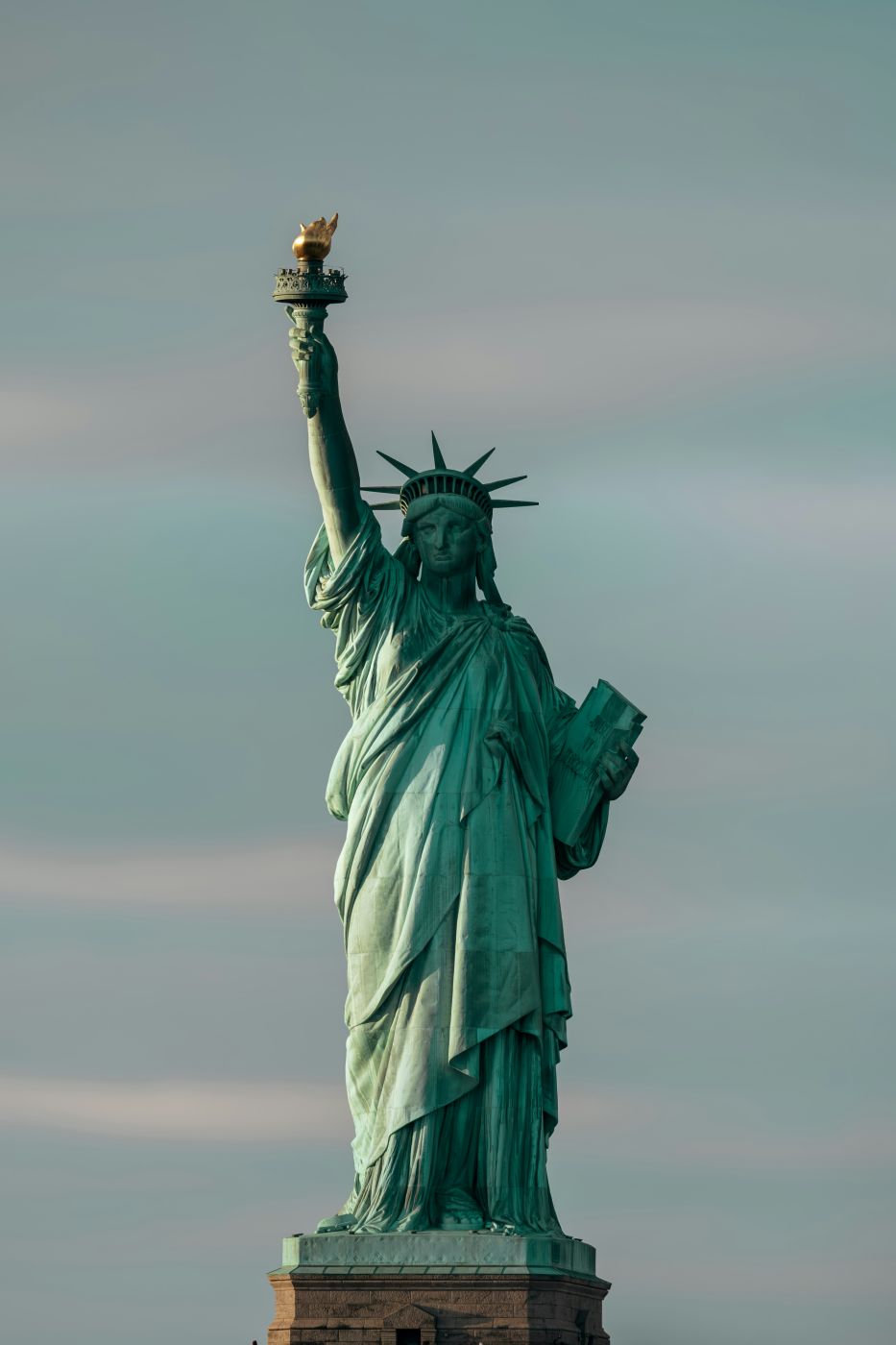
Liberty Mutual’s puppet mascot sparked memes, a John Oliver bit, and a protest. A small-town sign prank explains why buzz alone doesn’t build a brand.
I grew up in a small town with one pharmacy, one grocery store, and one clothing store. One of everything, really, except churches, of which there were twenty. I kid you not. Among them sat Berson’s Sundry Shop, which sold candy, treats, and a few everyday necessities. It was a convenience store before convenience stores existed, and just about everyone in town stopped in at least once a day. Then, one October morning, a new business opened at the end of Main Street. Another convenience store.
It was the talk of the town, and it even made the front page of the local paper: Newcomer Plans to Challenge Berson’s Sundry Shop. The new place enjoyed a rush of customers its first week, but once people realized it was essentially Berson’s without the familiar faces behind the counter, the shine wore off. Folks went back to their old habits, and the newcomer was left wondering what it would take to win them back.
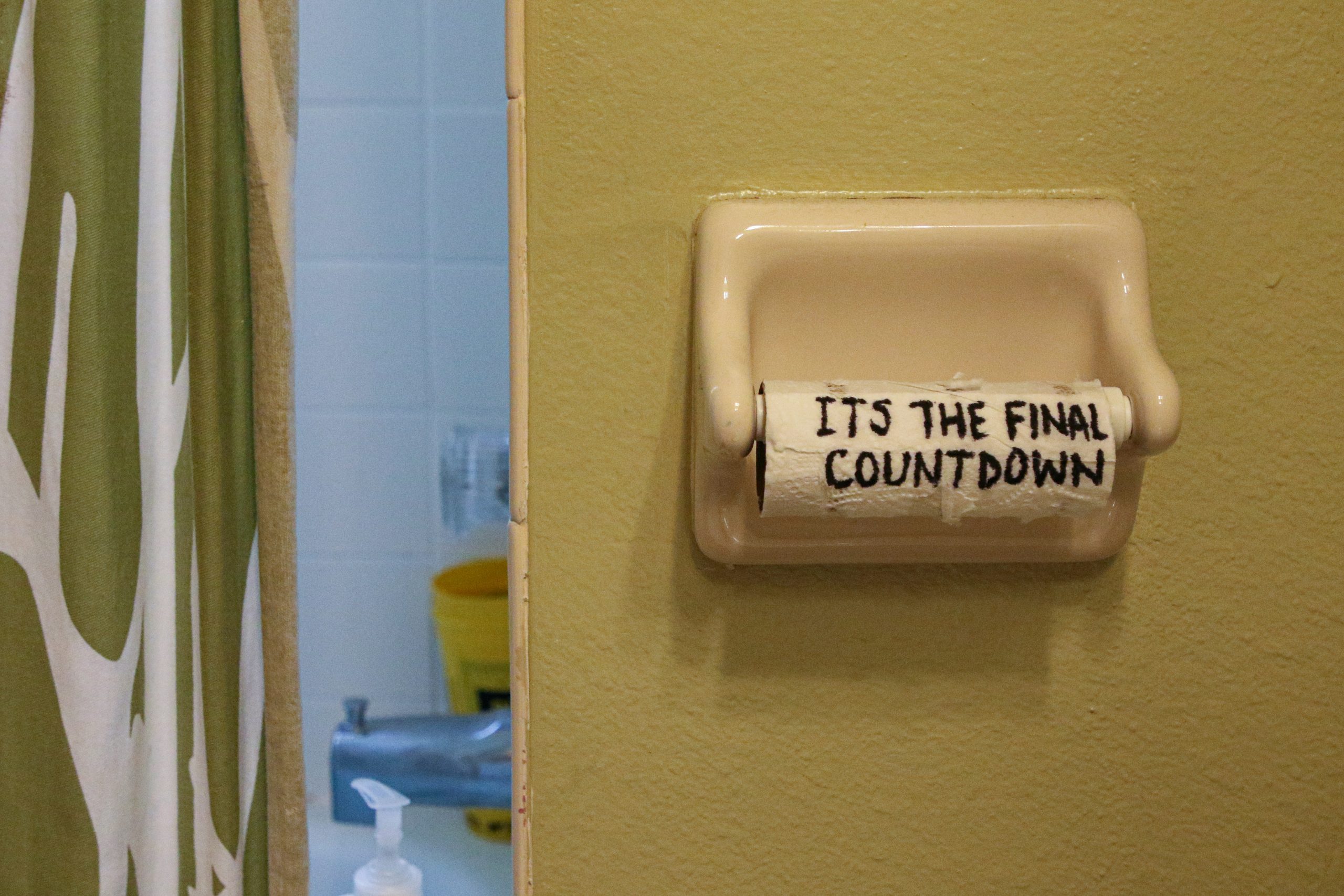
A month later, the struggling shop put up a marquee sign announcing specials and new items. One morning, after changing the sign, the owner, Jim Robinson, took down his ladder and opened for business. Unfortunately, he forgot to gather up the pile of letters he’d used, and, as is the wont of kids in a small town, they were stolen.
Over the next few weeks, a new message appeared on the sign every morning. It started subtly enough, with fake products like Cat Be Gone and No More Poop. Then new menu items appeared, including From Our Hot Bar: Hot Babes. And on it went. Every morning, people on their way to work or school would stop and laugh at whatever nonsense had appeared overnight.
Robinson was furious. He started arriving at the crack of dawn, hoping to fix the sign before anyone saw it. He complained to the police and demanded they do something about the hoodlums making a mockery of his business. But the signs kept coming, and the town kept laughing.
Then something odd happened. People started going out of their way each morning to see what the sign said. And since they were already there, they might as well grab a coffee or a breakfast burrito. Before long, the struggling little shop was doing a brisk business. The paper started running the sign on its front page. What looked like a campaign to embarrass the newcomer had become an advertising coup, and Robinson eventually stopped trying to win the war of the letters.
Over time, the store became so successful that Berson’s, the shop everyone had been so loyal to, closed its doors. Robinson later sold to 7-Eleven, which marked the beginning of my small town’s crapification. But for a brief, glorious stretch, a sign meant to humiliate a newcomer had done exactly the opposite. And Robinson, it seemed, had done absolutely nothing to bring about his own success.
Except that wasn’t quite true.
After Robinson sold the store, the paper ran a retrospective on the infamous sign and revealed something nobody had suspected. Jim Robinson had been the prankster all along. The letters were never stolen. Despite the anger, the bluster, and the demands that the police catch the hoodlums responsible, he’d been changing the sign himself every night.
Brilliant.
Liberty, Biberty, and the Business of Being Hated
Which brings me to a yellow puppet with enormous blue eyes, a mouth full of disturbingly human teeth, and a little Statue of Liberty crown perched on his head. His name is Liberty Biberty, and a vocal portion of the American internet would like to see him nailed into a crate and dumped into Boston Harbor, which, to be fair, is a time-honored local method of registering a complaint.
Liberty Biberty arrived this summer as Liberty Mutual’s newest creation, a company that already had a perfectly serviceable advertising duo in LiMu Emu and Doug. You remember them. The emu and the fellow dressed like he’d wandered away from a 1970s detective show. Apparently somebody decided one emu wasn’t enough personality for a single insurance company, so they commissioned a fuzzy yellow creature that looks like a tennis ball had an unfortunate romantic encounter with a Muppet. Which is funnier once you learn that Jim Henson’s Creature Shop actually built him.
The name itself isn’t new. Back in 2019, Liberty Mutual ran a commercial featuring a hapless actor who couldn’t get the company’s name right. Instead of Liberty Mutual, he kept saying Liberty Biberty. It was funny, it was memorable, and people liked it. So, several years later, the company took that little moment of advertising success and turned it into a character. After all, if people liked the joke, surely they’d love an entire creature built around it.
Well, perhaps not.
The reaction has been something to behold. People took to social media to mock his appearance and question the sanity of whoever approved him. John Oliver closed an episode of Last Week Tonight by proposing a strategy for getting rid of him that I won’t repeat on a company blog. And then, in what may be one of the more remarkable achievements in modern advertising, several dozen people gathered outside Liberty Mutual’s Boston headquarters on a Sunday afternoon to protest. A protest. Against a yellow puppet.
And here’s where things get interesting. Liberty Mutual doesn’t seem to see any of this as a disaster. Its chief marketing officer has said early consumer research shows strong brand association and likeability, and that the conversation has exceeded expectations. People are talking about Liberty Mutual, sharing the commercials, and remembering the name. From one advertising perspective, that’s a considerable achievement. From another, you’ve spent a great deal of money creating something people are organizing to get rid of.
Which raises a question I suspect Jim Robinson, standing at the top of his ladder with a handful of plastic letters, would have appreciated. If people are laughing at you, complaining about you, and telling everyone they know how ridiculous you are, does it matter whether they like you, provided they keep coming through the door?

The Difference Between Attention and Affection
There’s an old saying that there’s no such thing as bad publicity. I’ve never been entirely convinced. I suspect a few companies would happily trade some of their publicity for the chance to disappear quietly into the wallpaper for a while. But there’s something seductive about the idea that getting people to talk about you is, in itself, a victory, particularly in a business where attention has become such an expensive commodity.
And to be fair to Liberty Mutual, they’ve certainly got it. People know who Liberty Biberty is. They associate him with the company and have developed surprisingly strong feelings about his continued existence. That’s no small thing in a category where one insurance commercial looks remarkably like the next. Most brands would be thrilled if anyone gave up a Sunday afternoon for anything involving insurance.
But attention and affection aren’t the same thing, and recognition doesn’t necessarily lead to preference. I can recognize plenty of things I’d rather not encounter again. A parking ticket, for instance. Or the smell of something that has been quietly decomposing behind the mayonnaise for three weeks. Both are instantly recognizable. Neither inspires me to seek a closer relationship.
Insurance makes that gap wider, not narrower. Nobody is stopping by an insurance office on the way to work to see what the yellow puppet has been up to overnight. Insurance isn’t an impulse purchase, and trusting a company with your home, your car, or your family’s security involves considerations more serious than whether its mascot has amusing teeth. Liberty Biberty might make Liberty Mutual the first name that comes to mind when someone needs a policy, and that has real value. But what happens after that moment of recognition is what ultimately matters. The puppet can introduce the company. He can’t do the company’s job for it.
A Mascot Isn’t a Personality
I have nothing against mascots. Some of them are wonderful. They’ve been selling us everything from breakfast cereal to car insurance for generations, and when they’re done well, it becomes hard to imagine the brand without them. But I think we’ve started confusing the creation of a character with the development of a brand’s character. Those are two very different things.
A mascot is something you can design. You can give it a face, a voice, a peculiar little walk, and a personality refined through months of meetings with people who hold strong opinions about the precise shade of yellow that best communicates trustworthiness. You can test it, measure recognition, and spend an extraordinary amount of money introducing it to the public. None of that tells anyone who the company is, what it believes, or why they should choose it over the competition.
That’s why we talk so much at ThoughtLab about Depth-Before-Design. The most important work happens long before anyone picks colors or sketches characters: discovering what makes a company genuinely different, understanding the people it hopes to serve, and finding the story that connects the two. Design gives that story a recognizable form. It can’t manufacture the substance underneath. At least, not for very long.
Which is where Jim Robinson’s sign gets more interesting than it first appears. Remember, his store was essentially the same as Berson’s. Same candy, same coffee, fewer familiar faces. The sign didn’t make the product any better. What it did was hand the town a story it got to be part of: a newcomer under siege, a band of anonymous pranksters, and a fresh punchline every morning. Robinson understood his town well enough to know it would root for the joke, and he was willing to be its target. Then, once people came through the door, the store had to give them a reason not to regret it. A clever sign can get someone inside. It can’t make them glad they came.
The same test applies to Liberty Mutual, although I suspect the company would prefer we not compare its business to a breakfast burrito. The question isn’t whether Liberty Biberty is a good mascot. It’s whether he introduces people to an experience that lives up to all the attention. Does the company make insurance easier to understand? Does it treat customers well when something goes wrong? Is there something genuinely distinctive about the relationship it builds with the people who trust it? Those answers matter far more than the number of people who could pick a yellow puppet out of a lineup.
This is the real work of becoming a category of one. Being impossible to ignore isn’t the same as being distinctive in a way that matters. A truly distinctive brand isn’t simply recognizable among its competitors. It has discovered something about itself, and its customers, that makes comparison beside the point, and its personality grows out of that discovery rather than being applied afterward like a fresh coat of paint.
Who’s In on the Joke
There’s something rather wonderful about the moment a brand stops belonging entirely to the people who created it. Not legally, of course; the lawyers would have a collective breakdown. But in people’s minds, a brand eventually becomes more than its advertising or the carefully constructed personality a roomful of marketers designed for it. People form their own relationships with it, and those relationships don’t always follow the script.
Liberty Biberty is a vivid example. The memes, the complaints, the late-night jokes, and the protest have created a story that now lives well beyond the commercials. At this point, the public reaction may be more entertaining than anything the agency produced. And somewhere at Liberty Mutual, I imagine someone is trying to decide whether to celebrate the attention or quietly move the yellow puppets into a storage closet.
This is where the two stories finally part ways. On the surface, Robinson’s town and Liberty Biberty’s critics are doing the same thing: gathering around a joke, laughing, and telling their friends. But Robinson wrote the joke and cast himself as its target. Everyone got to laugh at the flustered shopkeeper, and the flustered shopkeeper was quietly running the show. Liberty Mutual didn’t cast itself as the butt of the joke. It got cast. Some of the people mocking Liberty Biberty are simply enjoying the absurdity; others genuinely can’t stand him. Reduced to views, shares, and mentions, those reactions look identical. They don’t mean the same thing.
You can create the message, choose the imagery, and decide how you want to present yourself to the world. What you can’t control is how people respond. They bring their own experiences, expectations, and peculiar senses of humor, and they decide what your brand means to them. The best you can do is understand them well enough that the story you’re telling is one they’d actually want to join. Robinson figured that out from the top of a ladder. Liberty Mutual is working it out after the fact.
The Takeaway
I rather admire Jim Robinson, even if he did put Berson’s out of business. He understood something that campaigns with far bigger budgets sometimes overlook. People like to be entertained. They like to feel part of something, even if that something is a ridiculous convenience store sign and a man pretending to be furious with himself. Robinson didn’t just advertise his business. He gave people a reason to care about what happened there, and then a reason to walk through the door.
That’s what we believe at ThoughtLab. The best branding doesn’t start with how to get someone’s attention. It starts with understanding who those people are, what matters to them, and why they might invite a particular company into their lives. We’re not trying to make brands different for the sake of being different. We’re helping them discover what makes them worth choosing, and then making that distinction mean something to the people they hope to reach.
Liberty Mutual may yet prove its peculiar yellow creation is a marketing triumph. Perhaps the complaints, jokes, and protests will turn into recognition, customers, and a stronger business. I wouldn’t rule it out. But I wouldn’t confuse the size of the audience with the strength of the relationship, either. A million people laughing at your advertising can be a wonderful thing, provided you’ve given them a reason to think well of you once the laughter stops.
Somewhere, I like to imagine Jim Robinson at the top of his ladder, arranging another absurd message while the rest of the town sleeps, knowing that tomorrow morning people will stop, read it, and wander inside for a cup of coffee.
And somewhere else, a yellow puppet with disturbingly human teeth is making an entire country talk about insurance.
Whether that’s the same kind of success remains to be seen.