
In a small room, Stewart Copeland’s drums sound “boinky.” In an arena, they cut through everything. What brands can learn about being heard over the noise.
I am not a musician. I don’t play an instrument, though I did attack the kalimba for about a year, and the results were, well, not good. But I love music. When I direct a show, the first thing I do is find the music for the piece. What tone will it set? How will it move the action and underpin the moments that highlight the story? Music moves me in a way that even laughter doesn’t.
I can sit at the keyboard and get pulled up short by a song, find myself spiraling back to the time when, and suddenly I’m weeping into the keys, shorting out the electricity in the neighborhood. Then, maybe a week later, I’m sitting at the same keyboard, working, and the same song comes on. This time, I just dig it. I bounce along with it, the memory it evokes is different, and the neighbors continue blissfully air frying and watching the Kardashians do whatever Kardashians do, uninterrupted by my emotional outbursts.
Very recently, I was listening to Message in a Bottle by The Police, and I sat in awe of Stewart Copeland’s drums. How sharp they sound, how they ring out over Andy Summers’ amazing guitar riff. Add Sting’s soaring voice, and you begin to wonder how it is that we can hear all of this without any of it getting lost. Now, anyone reading this who’s in the music business will say, “It’s the mix, you idiot,” leaving me to wonder why he called me an idiot. I don’t know him. Why is he so hostile? But he’s right. It’s all about the mix. Or is there something more?
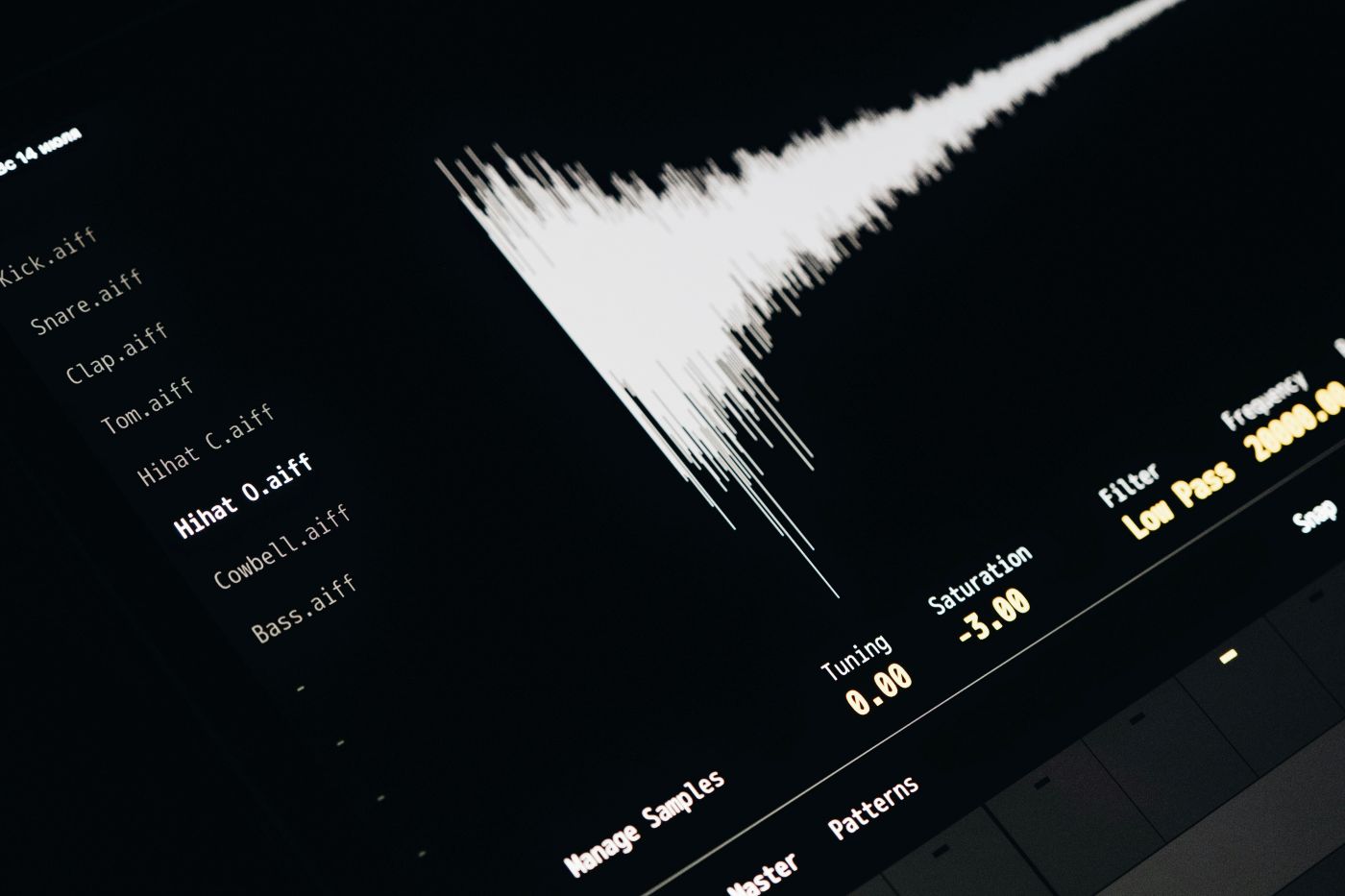
I did a little detective work and discovered a video of Copeland explaining that he tunes his drums high. He tunes them to the point where they’re almost ready to snap. He goes on to say that in a small room, this makes his drums sound, in his words, “boinky,” but in a large venue, they sound great. In big arenas, his high tuning lets the drums cut through instead of getting lost. That tight tuning gives the drums a distinctive voice, one that can be heard clearly alongside the guitar and vocals. He developed it over years of playing live and in the studio. His drums don’t need to overpower the other instruments to be heard. They just need to sound like his drums.
This, as everything does in my life, it seems, got me thinking about brands. Think about your brand and its voice. Now imagine your brand on stage with the millions of other brands that exist, all of them playing at once, all of them trying to be heard. How do you make sure your voice doesn’t disappear into the noise?
This isn’t simply about shouting louder. It’s about tuning your brand so that no matter how many other voices are competing for attention, yours can still cut through.
It’s Not Just the Tuning
There’s a temptation in marketing to believe that differentiation is something you can apply to a brand. Find the right voice, develop a distinctive visual identity, come up with a clever tagline, and suddenly you’re something special. But that’s a little like buying Stewart Copeland’s drum kit, tuning everything exactly as he does, and expecting to sound like The Police. You might get the equipment right, but you still have to know how to play it.
Copeland is widely regarded as one of rock’s great drummers, and his influence extends well beyond the sound of his kit. Listen to what he’s doing behind those songs. His rhythms aren’t always where you expect them to be. He draws on influences that don’t necessarily belong together in conventional rock music, from reggae to his father’s big band and jazz records to the music he grew up hearing in the Middle East, and somehow makes them work. His playing has precision, imagination, restraint, and an unmistakable personality. The high tuning helps us hear all of that, but it doesn’t create any of it.
The same is true of a brand. You can spend a fortune developing a distinctive voice, hire the finest designers, and commission a campaign that looks and sounds unlike anything your competitors are doing. But if you’re marketing the next big thing, and your customers peel away all that beautiful work only to discover that what they’ve actually bought is basically a bucket of chum, well, good luck.
And I think that’s an important distinction because we spend an enormous amount of time talking about how brands present themselves and considerably less time discussing whether there’s anything remarkable behind the presentation. A brand’s voice ought to emerge from something genuine about the business, something it understands, believes, or does exceptionally well. Otherwise, we’re just tuning the drums and hoping nobody notices who’s sitting behind them.
Finding Your Own Sound
One of the more peculiar things about branding is how much time businesses spend studying their competitors. They examine websites, analyze messaging, scrutinize advertising, and generally keep an eye on what everybody else is doing. There’s nothing inherently wrong with that. It’s useful to know who else is in the room. But somewhere along the way, knowing what your competitors are doing can become an obsession with making sure you’re doing it too. And before long, you’ve got an entire industry playing the same song, using the same instruments, and wondering why nobody can tell the bands apart.
Imagine if Stewart Copeland had spent his career trying to sound like John Bonham. Now, Bonham was an extraordinary drummer, and there’s certainly nothing wrong with admiring his work. But Copeland’s contribution to The Police came from his own musical instincts, his influences, and his willingness to approach the instrument differently. He wasn’t trying to be a better version of somebody else. He was developing a sound that belonged to him. And when you hear those drums on Message in a Bottle, you don’t have to wonder who’s playing them.
Businesses have their own version of this problem. They look around their industries and see competitors talking about innovation, excellence, customer satisfaction, and whatever other reassuring words have been passed around the conference table so many times they’ve lost whatever meaning they once possessed. Then they decide they need to communicate those same qualities, perhaps with slightly better typography and a more expensive photographer. The result may be perfectly professional, but professionalism isn’t the same thing as distinction. If you can exchange your logo for a competitor’s and nobody notices, you’ve probably got some tuning to do.
Finding your brand’s voice requires looking somewhere other than across the street. It means understanding what your business does particularly well, what you believe about the work, and why any of it should matter to the people you’re hoping to reach. Sometimes the most distinctive thing about a company is something the people inside it barely notice anymore because it’s simply how they’ve always done things. They’ve become so accustomed to their own strengths that they assume everybody operates that way. Quite often, everybody doesn’t.
And this is where the craftsmanship comes back into the conversation. A distinctive brand voice isn’t something you invent because the marketing department needs a new campaign. You uncover it by paying attention to the business itself. The language, the personality, and the way the brand presents itself should grow out of that understanding. Copeland didn’t develop his sound by asking what kind of drummer the audience wanted him to be. He developed it by becoming the drummer he was, and learning how to make that sound carry.
The Rest of the Band
Of course, Stewart Copeland wasn’t playing alone. Andy Summers brought his remarkable guitar work, and Sting his unmistakable voice and bass playing. Three extraordinarily talented musicians, each bringing something distinctive to the music. And somehow, when they came together, they created something that sounded like nobody else. You could hear each of them individually, but what made The Police special was what happened when they played together. Take away any one of those musicians, and you might still have some wonderful music, but you wouldn’t have The Police.
I think businesses sometimes forget that their brand is an ensemble performance. Marketing may be the most audible member of the group, but there’s an entire organization playing behind it. The people answering the phones, the ones developing the products, the folks delivering whatever it is you’ve promised. They all contribute to the sound. And if marketing is playing one song while the rest of the company stumbles through something entirely different, the audience will notice. You can have the most beautifully crafted brand voice in the world, but it won’t mean much if the business itself can’t carry the tune.
Consider a company that builds its entire identity around personal attention. Its advertising is warm and conversational, its website makes you feel like you’re about to become part of a wonderful little family, and every carefully chosen word suggests that somebody genuinely cares about you. Then you call with a question and spend forty minutes listening to a recording assuring you that your call is very important. Apparently, it’s just not important enough for anyone to answer it. Suddenly, that warm, personal brand voice sounds a little less convincing.
That’s why finding your voice is only part of the work. The voice has to belong to the entire business, not simply the people responsible for promoting it. What customers hear in the advertising should bear some recognizable relationship to what they encounter when they actually do business with you. That doesn’t mean every employee needs to memorize the brand guidelines or start speaking in carefully approved marketing language. God help us if that ever happens. It means the qualities that make the brand distinctive should be evident in how the company operates, not merely in how it describes itself.
The Police understood something about making music together. Each musician had room to be himself, but they were also listening to one another. Their individual contributions mattered because they served the song. And that’s something worth remembering when we talk about building a distinctive brand. The goal isn’t simply to make sure your voice rises above the noise. It’s to make sure that when people finally hear you, the rest of the business is playing the same song.
And perhaps the most remarkable thing about all of this is what happens when the music finally reaches us. I can listen to Message in a Bottle and marvel at Copeland’s drums, appreciate Summers’ guitar, and wonder how Sting manages to sing those notes. But when I’m simply listening to the song, I’m not thinking about any of that. I’m responding to the music. It reaches me in a way that has very little to do with my understanding of how it was made.
That’s ultimately what we’re hoping a distinctive brand can accomplish. Not that customers will admire the cleverness of our messaging or appreciate the extraordinary effort that went into developing our identity. Most of them couldn’t care less about any of that. We want them to recognize something that matters to them, something that makes them feel they’ve found the right company, the right people, or perhaps just a business that understands what they’re looking for. And if we’ve done our work particularly well, they won’t have to think very hard about why.
The Takeaway
There’s a reason Stewart Copeland’s drums sound the way they do, and it goes well beyond how tightly he tunes them. There’s a lifetime of musicianship behind every note, an understanding of his instrument, and a willingness to develop a sound that belongs to him. The tuning helps that sound reach us, but the man playing the drums is what makes it worth hearing.
I think brands could learn something from that. There’s nothing wrong with wanting to stand out, and in a world where we’re surrounded by thousands of messages competing for our attention, finding a way to be heard is essential. But being heard isn’t the same as having something to say. A distinctive voice needs something behind it, something genuine about the business that gives people a reason to listen. And that voice has to be supported by the people, the products, and the work itself. Otherwise, all you’ve accomplished is making a little more noise.
At ThoughtLab, we call it Depth Before Design. Discovering what makes a business genuinely different comes before deciding how to present it to the world. The work begins with understanding what’s already there, finding the qualities that deserve attention, and giving them a voice that can carry. Not because we want to make every brand sound extraordinary, but because we want to find what’s extraordinary about the business and make sure it isn’t lost in the mix.
And maybe that’s what I love most about listening to The Police. Three musicians, each with a voice entirely his own, creating something that still reaches people decades later. Nobody needed to play louder than everybody else. They just needed to be themselves, know their craft, and give us something worth listening to.
I think that’s a pretty good ambition for a brand, too.