A Memphis barbecue tour, a smiling mascot, and the difference between being noticed and being chosen
I love many things about working at Tennessee Shakespeare in Memphis. Dan McCleary is a great Artistic Director, and I feel I’ve done some of my best work down there. But what stands out in my mind, apart from the great work we do, is the barbecue. Dear Lord on High, there is so much good barbecue in that state it makes your head swim.
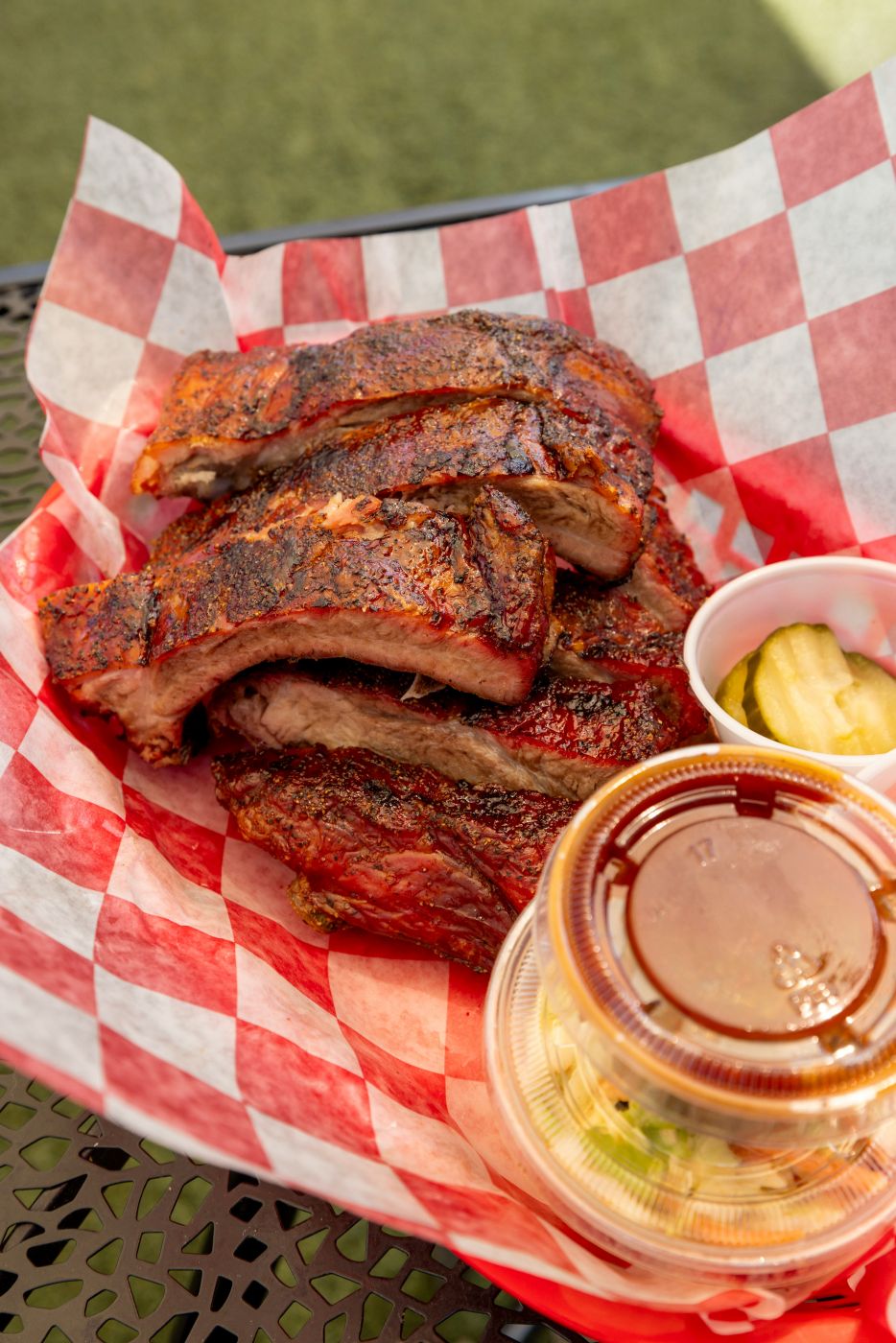
One day off, I was sitting in Central BBQ, eating ribs and melting into a world of culinary joy, when I noticed the sign. Simple lettering. Central BBQ in blue letters on an orange background. Clean, recognizable, and welcoming. And food so good you’ll want to forward your mail.
Another day, another barbecue joint. This time I was at One & Only, which, curiously enough, has two locations. Their logo is a heart with a sash reading One & Only. Nice, clean, and looking like a tattoo someone would get to publicly announce their undying love. And I love that barbecue.
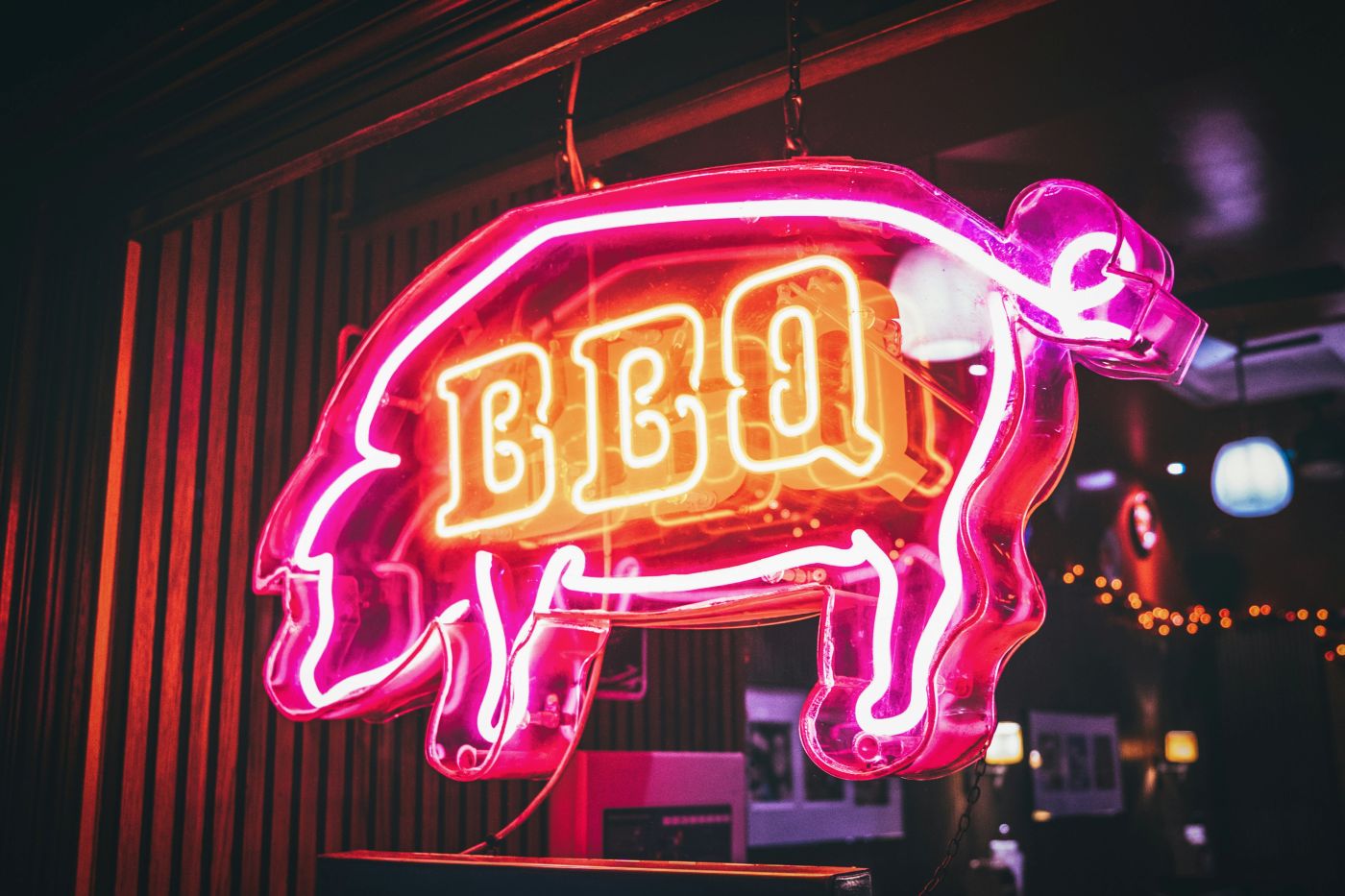
Then we get to Memphis BBQ. Their sign has a pig on it. An anatomically correct pig. A little reminder of what you’re eating, just in case you’ve forgotten.
And then we come to the legendary Corky’s BBQ. Great food. So good, so very, very good. However, this is where the signage starts to change. Up to this point, we’ve had clean lettering, good colors, and one pictorial representation of a pig. But Corky’s does that thing that always makes me pause.
Corky’s logo features a smiling pig wearing a white chef’s hat. A pig, smiling wide and letting you know they’ve been smokin’ since 1984.
So, since 1984, this little pig has watched his brethren leave the farm, get killed, dropped into barbecue pits and smokers, sauced, served with sides, and presented to smiling, happy families. Families on their way to Graceland or Beale Street, but first they had to stop and visit the smiling pig who announces, “Come on in and eat the flesh of my family.”
Come on in and enjoy what this pig is smiling about. Meat, softened by slow cooking, pulled from the bone, and slapped into a bun. Nothing says family like killing and eating an animal while one of its kind smiles his blessing over your table.
Eat it up, c’mon, enjoy it. That there is my friend Elmer. We grew up together. He wanted to be a dentist, but instead, he’s the lunch special.
Now, don’t get me wrong. I’ve eaten at dozens of barbecue joints throughout the South, and I intend to eat at dozens more. But that one tradition, the pig selling pig meat, always makes me wonder.
When Dinner Has a Personality
There’s a word for what we’re doing here. Anthropomorphism. It’s the practice of giving human characteristics to animals, objects, or things that have absolutely no business behaving like people. We do it all the time. We talk to our cars, apologize to furniture after walking into it, and give names to household appliances. I’ve known people who named their vacuum cleaners, which strikes me as a strange relationship to cultivate with something whose primary purpose is sucking dirt off the floor.
Advertisers have exploited this peculiar human habit for generations. Give something a face, a voice, and a personality, and suddenly we’re interested in it. We begin to recognize it, develop affection for it, and occasionally worry about its welfare. The Pillsbury Doughboy has been giggling his way through American kitchens for decades, and people seem genuinely delighted whenever someone pokes him in the stomach. I suspect he’d be far less popular if he responded by punching someone in the throat.
But the smiling pig presents a different problem. He’s not just a character representing a product. He is the product, or at least a member of the species being served. And yet, by giving him a smile, a personality, and perhaps a little chef’s hat, we’ve transformed him into something approaching a friend.
And I don’t generally eat my friends.
I suppose that’s what fascinates me about the whole arrangement. We’re perfectly capable of holding two contradictory ideas in our heads. We can look at the smiling pig, find him charming, and then walk into the restaurant and order a full rack of ribs without experiencing the slightest moral inconvenience. The pig on the sign and the pig on the plate occupy entirely different places in our imagination, even though one is enthusiastically advertising the other.
Which makes me wonder what would happen if the mascot became a little more realistic. Suppose he had a name, a wife, and three adorable piglets waiting at home. Perhaps he coached Little League and volunteered at the local library. Would we still be quite so comfortable ordering the pulled pork platter? Or would we start wondering whether Elmer’s widow knew what had happened to him?
Of course, I’m being ridiculous. That’s part of the fun. But underneath the absurdity is something advertisers understand very well. Human characteristics create emotional connections, and emotional connections influence how we respond to brands.
The interesting question is whether that connection belongs to the business or merely to the character it created. Because making someone smile at your sign and making them love your restaurant are two very different accomplishments.
The Mascot Is Not the Brand
Now, I don’t want to suggest that there’s anything inherently wrong with a smiling pig selling barbecue. Clearly, the arrangement has been working for years, and I suspect the pig has contributed considerably more to the restaurant’s success than he has to the welfare of his fellow pigs. He’s recognizable, friendly, and easy to remember, which is precisely what a good mascot is supposed to be.
But recognition is a funny thing. We can recognize something without knowing much about it, and we can remember a character without remembering what he was trying to sell us. Advertisers have spent enormous amounts of money creating personalities that people love, only to discover that affection doesn’t necessarily translate into purchases. You can adore the fellow on the sign and still walk across the street for a better sandwich.
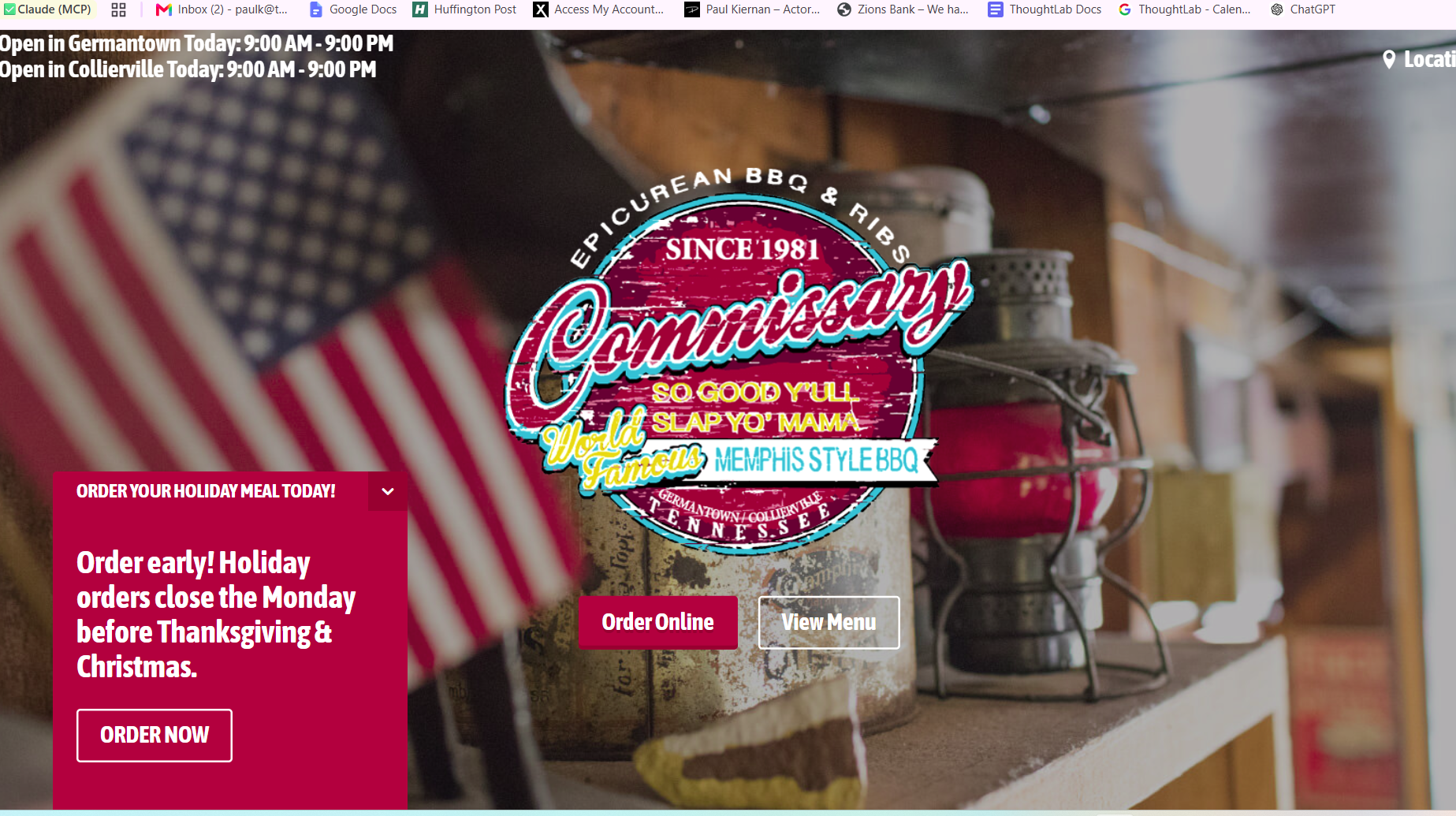
Which brings me to my favorite barbecue joint in Tennessee, the Germantown Commissary.
If you’ve never been, I suggest correcting that unfortunate circumstance at your earliest convenience. They’ve been serving barbecue since 1981, and I have personally consumed enough of it to qualify as a minor shareholder, although nobody has offered me stock or invited me to a board meeting. Their ribs are extraordinary, their pulled pork is magnificent, and their slogan, “So Good You’ll Slap Yo’ Mama,” suggests a level of culinary enthusiasm that might require some explanation at a family gathering.
Their logo is colorful, nostalgic, and packed with personality. There’s lettering, a declaration of their Memphis barbecue heritage, and a bold promise about the quality of the food. What there isn’t, anywhere in sight, is a pig. No smiling porker wearing a chef’s hat, no dancing swine inviting me to sample his Uncle Harold, and nobody suggesting that the livestock has enthusiastically endorsed the menu.
And I remember the Commissary perfectly.
I remember the food, the atmosphere, and the pleasure of sitting down to a meal that was exactly what I’d hoped it would be. Their identity works because it reflects an experience that already exists. The logo gives that experience a recognizable face, but it isn’t responsible for creating the experience in the first place.
That’s an important distinction in branding, and one that’s remarkably easy to overlook.
A mascot can attract attention, establish familiarity, and make a business feel approachable. But the character can’t compensate for an experience that fails to deliver. If the barbecue is terrible, the pig can dance until his little hooves fall off, and I’m still not coming back. I might remember him fondly, perhaps even worry about his retirement prospects, but I’ll be eating somewhere else.
The same is true of any brand. A clever logo, an entertaining campaign, or a memorable character can introduce people to a business, but what happens afterward determines whether that introduction becomes a relationship. The promise made by the marketing has to survive contact with the actual product.
And that brings us to something we talk about constantly at ThoughtLab. Before you decide what your brand should look like, you need to understand what makes it worth looking at.
Because the most important thing about that pig isn’t whether he’s smiling.
It’s whether the barbecue is any good.
When Every Pig Looks the Same
Here’s something else that bothers me about the smiling pig. He’s everywhere. Drive through barbecue country, and you’ll encounter enough cheerful swine to populate a small city. They’re wearing chef’s hats, holding spatulas, giving thumbs up, and occasionally dancing around with the sort of enthusiasm usually reserved for people who’ve just discovered they’re getting a substantial tax refund.
And they all seem perfectly delighted to be there.
Now, I understand why restaurant owners use them. A pig tells you immediately what kind of food you’re likely to find inside. You don’t need to read a menu or consult a review. There’s a pig on the sign, there’s smoke coming from somewhere behind the building, and there’s a reasonable chance you’re about to eat something delicious. It’s an efficient little piece of communication, and there’s certainly value in that.
But there’s a problem with using the same visual language as everybody else. Eventually, you stop distinguishing yourself from your competitors and start advertising the entire category.
Think about that for a moment. You’ve paid someone to design a logo, invested in signage, printed menus, and perhaps ordered several thousand T-shirts featuring your smiling porcine ambassador. You’ve done everything you’re supposed to do to establish a recognizable identity. Unfortunately, the barbecue joint seventeen miles down the road has done precisely the same thing, right down to the pig’s cheerful expression and unfortunate lack of concern for his immediate future. Or that he’s displayed without pants.
The result is that both restaurants are recognizable as barbecue restaurants, but neither has necessarily given anyone a reason to choose one over the other.
And that’s where branding becomes a lot more interesting than picking a mascot.
A category has its own visual vocabulary. Certain colors, symbols, and design conventions become associated with particular industries because people have learned to recognize them. Banks want to appear secure, law firms want to appear authoritative, and barbecue restaurants apparently want their principal ingredient to look as though he’s having the time of his life.
There’s nothing inherently wrong with these conventions. They help customers understand what they’re looking at. But when businesses rely too heavily on them, they can become interchangeable. The identity communicates what the business does without telling us anything particularly interesting about who it is.
At ThoughtLab, we spend a great deal of time helping businesses understand the difference.
And sometimes that requires a little courage. Familiar symbols feel safe because people already understand them. Moving away from those conventions means accepting the possibility that some people won’t immediately recognize what you’re doing. But there’s also the possibility that they’ll notice something they haven’t seen before, become curious, and discover a business they might otherwise have passed without a second thought.
The Germantown Commissary doesn’t need a smiling pig to announce that it serves barbecue. Its identity has been shaped by decades of doing the thing it does, developing a reputation, and giving people like me a reason to come back whenever we’re anywhere near Memphis. The logo reflects that history rather than borrowing a personality from an animal that would probably prefer not to participate in the advertising campaign.
Which isn’t to say that a pig couldn’t become the centerpiece of a distinctive barbecue brand. Of course he could. Give him a particular personality, a story worth telling, and a meaningful connection to the restaurant, and he might become something far more interesting than another smiling face above the entrance.
But if your entire branding strategy consists of putting a chef’s hat on a pig and hoping people remember you, you’re asking an awful lot of an animal that has already given you the ribs.
The Takeaway
So, can you eat a pig after you’ve seen him dance?
Apparently, yes. I’ve been doing it for years, and I suspect I’ll continue doing it for as long as my arteries cooperate. I can admire the smiling pig on the sign, appreciate his enthusiasm for the restaurant business, and then walk inside and order a rack of ribs without giving the matter much additional thought. It’s a peculiar arrangement, but human beings are remarkably good at accommodating contradictions, particularly when there’s a decent side of coleslaw involved.
But there’s something worth remembering about that pig. He was created to make a restaurant recognizable, approachable, and memorable. Those are perfectly reasonable ambitions for any brand. The trouble begins when businesses confuse the things that attract attention with the things that make them worth paying attention to.
That’s why our approach at ThoughtLab is Depth-Before-Design & Development. Before we create an identity, we want to understand the business behind it. Its history, its ambitions, and the qualities that make it different from every other company competing for the same customers. Those discoveries give us something meaningful to build upon, something that belongs to the business rather than the category it happens to occupy.
That’s how a category-of-one begins. It isn’t about being louder, stranger, or more entertaining than everybody else. It’s about becoming so distinctly yourself that the people who matter recognize your value without needing to compare you to anyone else. The design, the language, and even the occasional dancing pig should emerge from that understanding.
And if your brand happens to feature a smiling pig in a chef’s hat, wonderful. Give him a personality, let him dance, and by all means, put him on the sign. Just make certain there’s something behind that sign worth remembering. Otherwise, you’ve created a very entertaining pig and given people no particular reason to remember the restaurant.
As for Elmer, I hope he’s found some peace with his circumstances. He never became a dentist, but he did bring joy to a great many people, which is more than some dentists can claim.
And if I happen to see him dancing on a sign somewhere outside Memphis, I’ll give him a friendly wave before heading inside.
I just hope he’s not the special.