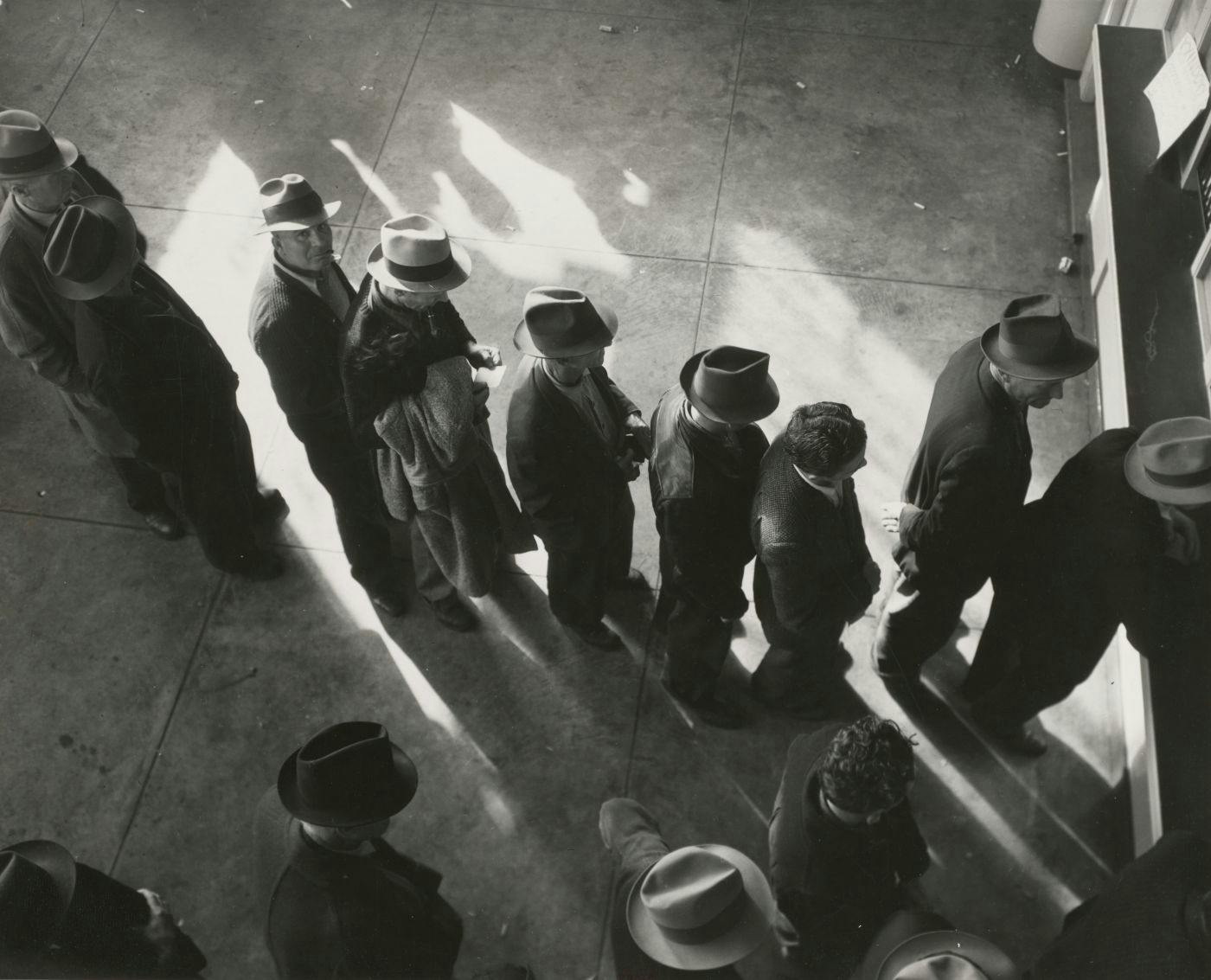

Not just politics, but every aspect of life could use a little bit of a history lesson. Especially brands. Yes, that’s right: brands need a solid understanding of history if they wish to continue into the future.
I love history. Nope, it’s true, I love history, historical facts, and ancient things. I’m looking forward to the Super Bowl, especially if the Patriots are in it, but I was even more excited about the Patriots in Ken Burns’ new documentary series. Yes, I’m that kind of geek. I binge-watched that entire series in one night. Like a midlife crisis woman hunkering down with a tub of popcorn and a gallon of diet soda, watching Bridget Jones, I was cocooned on the couch, snacks at the ready, absorbing every nuance, every lone fiddle stroke, and every actor-recreated minute of that historical series. For me, it didn’t disappoint.
Where did we come from? How did we reach this moment in time? Who was leading this, and how did we decide? All the questions that history uncovers and enlightens us on our human journey through the cosmos. How can you not love that?!!? History has everything: intrigue, romance, war, love, and food. Yes, food, the history of the ice cream cone as it’s interwoven with the history of the St. Louis World’s Fair, where, at the same time, millions were walking the white pavilions and eating waffles curled and filled with ice cream. H.H. Holmes was on some side street, murdering the heck out of a bunch of folks in a literal house of horrors. That’s history, that’s the nuance, the turns and twists that humans get into.
History is often poo-poo’d as boring, the past, what does it matter, it already happened, why bother? Why look back when looking ahead is what we’re about. We are about the future, about the inventions that will carry us there; looking back is for old folks with black-and-white snapshots or daguerreotype prints hanging in dark, dusty rooms. That’s not the future. However, we often miss or forget that back then, we were looking to the future as well. Is this the future we imagined? Could we have forged a better future than we have now if we had paid more attention to the past?
What’s happening in politics could have been easily rectified if we had paid more attention to leaders in great civilizations like Rome. What went wrong there? Are we moving in that direction again? History always repeats itself, we’re told, but can history also better the future?
Not just politics, but every aspect of life could use a little bit of a history lesson. Especially brands. Yes, that’s right: brands need a solid understanding of history if they wish to continue into the future.
The Real Reason People Think History is Boring
Most people don’t actually hate history. They hate the way it’s been presented to them. History, as it’s usually delivered, is a procession of dates, names, and outcomes, stripped of motive, fear, ego, coincidence, and bad judgment. It’s taught like a ledger. This happened. Then that happened. Memorize it, test on it, forget it. No wonder people check out. Humans aren’t wired to care about sequences. We’re wired to care about reasons and wants. Why did people believe this? Why did they follow that person? Why did an idea catch fire while another one disappeared quietly? What did they want?
Those questions rarely make it into the textbook. And when they don’t, history gets flattened into something lifeless. Which is ironic, considering it’s the most human record we have.
When people say history is boring, they usually mean it feels disconnected from them. Like a finished story with no relevance to the present. Something sealed behind museum glass. Look, but don’t touch. The thing is, like good sculpture, history should be touched. Turned over. Examined with all the senses. Brands do this exact same thing to themselves all the time.
They strip context out of their own stories. They reduce rich, messy journeys into bullet points and milestones. Founded. Expanded. Pivoted. Acquired. The human decisions disappear, and with them, the meaning. What’s left looks impressive, but it doesn’t feel true. And just like history class, people tune out.
The problem isn’t that the past doesn’t matter. It’s that we’ve been trained to treat it as static. As something done, resolved, over. But history isn’t a completed thing. It’s a record of choices made by people who thought they were being modern at the time. It’s a story filled with many multidimensional characters making a wide variety of choices, and those choices, that story, are vital to us on a daily basis. And especially vital to brands.
That’s the part we miss.
Every era believed it was standing at the edge of the future. Every generation thought it was smarter, more advanced, more self-aware than the one before it. They weren’t stupid. They were human. Which means the distance between then and now is smaller than we like to admit.
When brands ignore history, they’re not being forward-thinking. They’re just opting out of context. And without context, everything feels new, even when it’s been done before. Especially when it’s been done before.
History only feels boring when we pretend it’s finished. When we treat it like trivia instead of testimony. Once you start looking at it as behavior, not chronology, it stops being dull and starts getting uncomfortably useful.

History is Just Human Behavior with Better Documentation
Once you stop treating history as a sequence of events and start looking at it as a record of human behavior, everything changes. History isn’t really about what happened. It’s about why people did what they did. Who they trusted. Who they ignored. What they were afraid of losing. What they hoped they were gaining. The wars, inventions, movements, and collapses are just the visible outcomes of much quieter decisions made long before anyone wrote them down.
That’s the part that tends to get lost. And it’s also the part brands should care about the most.
Because brands ask these same questions every day, whether they realize it or not. Why do people believe this message but not that one? Why does one leader inspire loyalty while another inspires eye-rolling? Why does one idea spread organically while another needs constant propping up?
These aren’t marketing questions. They’re human ones. History is full of answers to them, provided we’re willing to look past the costumes and outdated language. People like to imagine that we’re fundamentally different now. Smarter. More discerning. Less susceptible. But history suggests otherwise. The tools have changed. The platforms have changed. The speed has changed. Human behavior has not. We still respond to clear stories, follow confidence before competence, and still confuse familiarity with trust. History doesn’t judge this. It simply records it.
This is why history is such an unfair advantage for brands. It offers a long view of how humans respond to power, persuasion, belonging, and fear, without the need for a focus group or a quarterly report. It shows us what happens when people feel ignored. When they feel heard. When they feel lied to. When they feel part of something larger than themselves.
Most brand thinking stays trapped in the present tense. What’s working, trending, and capturing attention right now? History widens that frame. It reminds us that attention is fleeting, but behavior is stubbornly consistent.
When brands ignore history, they don’t become more innovative. They become more naive. They assume they’re dealing with a new kind of human when in reality, they’re dealing with the same one, just holding a different device.
History doesn’t give brands a script. It gives them pattern recognition. And pattern recognition is far more valuable than prediction.
What Brands Forget When They Only Look Forward
There’s a quiet arrogance baked into most forward-only brand thinking. It assumes that what’s happening now is unprecedented. Today’s audience is more sophisticated, more informed, harder to influence, and fundamentally different from every generation that came before it. History is deeply unimpressed by this idea.
Every era believes it’s living through something entirely new. Every generation thinks it has finally outgrown the instincts and blind spots of the past. And every generation eventually proves itself wrong in familiar ways.
Brands fall into this trap constantly. They chase relevance as if it has an expiration date. They reinvent not because something is broken, but because something is old. They mistake movement for progress and novelty for meaning. Looking forward isn’t the problem. Looking forward without context is.
When brands cut themselves off from history, everything starts to feel urgent. Every trend feels existential. Every new platform feels mandatory. Decisions get made faster, louder, and with less conviction. Not because the future demands it, but because there’s no long view to anchor against. History provides that anchor.
It shows that people don’t suddenly change their values because a new channel appears. Trust doesn’t reset every time a brand updates its logo. Loyalty doesn’t magically increase with more exposure. These are slow, earned things, and they always have been.
Without history, brands overcorrect, abandon equity too quickly, rewrite their story rather than understanding it, and chase attention rather than building belief. And when the attention fades, they’re left wondering why nothing stuck.
The irony is that brands obsessed with the future often end up more fragile, not more adaptive. They react rather than decide; they follow rather than lead. They optimize for the moment and lose the thread of who they are. History doesn’t stop brands from evolving. It stops them from panicking.
When you understand how often humans have responded the same way to the same pressures, you gain the confidence to slow down. To say no. To choose continuity where others choose chaos. Looking forward is necessary. But looking forward without remembering where you came from is how brands lose their footing.

Patterns Repeat. Hubris Repeats Faster.
History doesn’t usually repeat itself in dramatic, cinematic ways, unless you’re Christopher Nolan and then just do whatever you want with history. It doesn’t announce itself. It doesn’t send a calendar invite. It just clears its throat quietly and waits to see if anyone’s paying attention. Most of the time, no one is.
What history actually repeats are behaviors. Overconfidence. Short memories. Leaders and institutions mistaking momentum for permanence. Success starts to feel inevitable. Warnings start to feel annoying. Skeptics get labeled as pessimists. Sound familiar? This is where brands get into trouble.
A brand finds its groove. The product works. The message lands. Growth follows. And somewhere along the way, confidence tips into certainty. The brand stops asking questions and starts making assumptions. We know our audience. We know what they want. We know better now. History has seen this movie before. Many times. Different costumes, same plot. Think Roman emperor energy, “I know my people, they want food and games, right?”
Rome didn’t fall because it forgot how to build roads. It fell because it stopped listening to its own limits. Scale became the goal. Control became the obsession. And by the time the cracks were obvious, the system was too invested in its own myth to change course. Brands do a softer version of this every day.
They confuse visibility with trust. They assume attention equals belief. They keep adding layers instead of asking whether the foundation still holds. When something stops working, they blame the audience, the algorithm, or the market. Rarely themselves.
Hubris is sneaky because it feels like confidence, just look at Ulysses. It wears a very convincing disguise. Especially inside successful organizations. History shows us that collapse rarely starts with incompetence. It starts with ignoring small signals because things are going well. This is why history isn’t just interesting. It’s humbling.
It reminds brands that longevity isn’t about always being right. It’s about staying curious, alert, and a little bit unsure. The moment a brand believes it’s immune to the patterns that shaped everyone else is usually the moment those patterns start circling back.
History doesn’t punish arrogance out of spite. It just waits patiently for it to do its thing.
What History Teaches Brands to Avoid
History doesn’t just tell us what works. It’s especially good at showing us what fails slowly, quietly, and predictably.
One of the biggest mistakes brands make is assuming that newness automatically equals improvement. New Coke, I’m looking right at you. History is full of moments where “new” was exciting, impressive, and completely unsustainable. Change without understanding almost always creates more problems than it solves.
Another trap is mistaking scale for loyalty. History shows us again and again that reach does not guarantee trust. Empires learned this the hard way. Brands do too. Just because more people see you doesn’t mean more people believe you. Familiarity can breed comfort, but it can just as easily breed indifference.
Then there’s the belief that people will tolerate confusion indefinitely. They won’t. History is very clear on this point. When systems become too complex, too opaque, or too self-serving, people find workarounds, disengage, or leave. Sometimes quietly. Sometimes all at once.
Brands also have a habit of treating attention as if it were belief. History reminds us that spectacle gets noticed, but it doesn’t build trust on its own. Crowds gather for many reasons. Loyalty is rarely one of them. P.T. Barnum knew that, and he told us that, and yet, we still fell for it.
And finally, history warns against rewriting the past to make the present feel better. When brands erase their own story or constantly reposition themselves to fit the moment, they lose credibility. Continuity matters more than perfection. People don’t expect brands to be flawless. They expect them to be consistent enough to recognize.
None of this means brands should stay frozen in time. History isn’t arguing for stagnation. It’s arguing against amnesia. The brands that stumble aren’t the ones that evolve. They’re the ones who forget why they existed in the first place. History shows us that forgetting your origin story doesn’t make you more modern. It just makes you easier to replace.

Why History Actually Makes Brands Braver, Not Safer
There’s a misconception that paying attention to history makes brands cautious, conservative, and afraid to try anything new. Like studying the past somehow locks you into it. History suggests the opposite.
When you understand what’s come before, you stop being scared of every next thing. You gain perspective. You realize that most “unprecedented moments” are just familiar patterns wearing new clothes. That realization doesn’t make you timid. It makes you steady.
History gives brands permission to slow down without falling behind, resist trends without sounding out of touch, and choose continuity when everyone else is sprinting toward reinvention for reinvention’s sake.
The bravest moves brands make are rarely impulsive. They’re intentional. They come from knowing what’s been tried, what’s failed, and what’s endured. That knowledge creates confidence. Not the loud, chest-thumping kind. The quieter kind that doesn’t need constant validation.
History also reminds brands that meaningful change has never come from panic. The moments that actually moved things forward were led by people who understood the rules well enough to break them on purpose. Not accidentally. Not reactively. On purpose.
When brands ignore history, every decision feels risky. When brands understand history, they can take bigger swings because they know where the guardrails are. They know what’s foundational and what’s flexible. That’s courage.
It’s the courage to say, this trend isn’t for us, to stay recognizable while others chase novelty, and to build something that doesn’t make sense in the short term but will matter in the long run.
History doesn’t tell brands what to do next; it reminds them that they’re allowed to choose. That they’re part of a much longer story than the current moment would have them believe. And brands that understand that tend to move forward with less noise and more conviction.
The Quiet Advantage of Brands That Remember
Brands that remember don’t feel louder. They feel steadier. They’re less frantic about relevance because they understand that relevance isn’t something you grab; it’s something you earn over time. History shows us that trust compounds slowly, but it compounds. And brands that understand this stop chasing every moment and start building across many of them.
These brands don’t confuse consistency with stagnation. They evolve, but they evolve with intention. They know what’s core and what’s cosmetic, and understand which parts of their story are flexible and which parts are nonnegotiable. That clarity doesn’t come from trend reports; it comes from knowing where you’ve been and why you mattered in the first place.
History also gives these brands a deeper respect for their audience. Not as data points, as people. People who have always been skeptical, hopeful, contradictory, emotional, and loyal for reasons that don’t fit neatly into dashboards. Brands that study history don’t talk down to their audience. They recognize them.
There’s also a humility that comes with memory. Brands that remember don’t assume they’re the main character in every story. They understand they’re entering a conversation that started long before them. That mindset changes how they show up. Less conquest. More contribution. The advantage here isn’t nostalgia. It’s perspective.
When brands treat history as something alive, something to learn from rather than decorate with, they make better decisions, fewer reactive ones, or performative ones. More that hold up over time.
History doesn’t guarantee success. It never has. What it offers is orientation. A way to understand where you are without pretending the ground beneath you is entirely new. Brands that remember aren’t stuck in the past. They’re just not lost in the present.
The Takeaway
History isn’t a nice-to-have for brands. It’s not trivia, nostalgia, and it’s not something you sprinkle in when you want to feel established or legitimate. It’s a working asset.
History shows us how humans actually behave when they’re uncertain, overwhelmed, inspired, skeptical, hopeful, or tired of being sold to, you know, human. It shows us what people reward, what they punish, and what they eventually walk away from. Brands that study it don’t become stuck. They become oriented.
At ThoughtLab, we see this all the time. The strongest brands aren’t the ones chasing what’s next the hardest. They’re the ones who understand where they sit in a much longer human story. They know what they’re continuing, what they’re interrupting, and what they’re refusing to repeat.
When brands embrace history, they make clearer choices, waste less energy on reinvention theater, and build trust with more patience. They recognize that attention is fleeting, but belief is earned slowly and lost quickly. History doesn’t tell brands who to be. It reminds them they’re allowed to decide.
And in a world obsessed with speed, novelty, and noise, that might be one of the most powerful advantages a brand can have.