

The nap has gotten a lot of crap of late, mostly because being tired has become, like everything else, politicized. So now, for some reason, sleeping is a sign of weakness or a lack of leadership skills or something. I’m not sure what.
“That’s Tom, he’s the nap master.”
That was day one of my time at the U.S. Postal Service, and Tom, my immediate supervisor, was introduced to me. He is the nap master. Now, it wasn’t delivered as derogatory at all. It wasn’t as if my onboarding guide was saying Tom just sleeps anywhere and all the time. When I was told that Tom was the nap master, the moniker was delivered with respect and awe.
Tom had worked for the Post Office, and specifically at that branch, for over 20 years. He was good at his job, well-liked, and trusted, and he had moved up the ranks very swiftly. Later, when I got to know him better, Tom told me that the secret to his success was a good nap.
“A nap is a refresher,” he told me, “like a cup of coffee for the whole body.”
Tom had an office, and there he would nap. He napped on his lunch break, a quick 20-minute nap. He had developed a way of falling asleep quickly, the same way service members do. The military sleep technique is a relaxation technique popularized by WWII pilots. This technique involves muscle relaxation, deep breathing, and visualization to help people fall asleep in under two minutes, even in the most stressful situations. Tom explained that it involves relaxing the face muscles, dropping his shoulders, slowing his breathing, and clearing his mind for ten seconds, usually repeating, oddly enough, “don’t think.” In addition, he pictures a calm, relaxing scene that brings peace. It took him six weeks to master it, but now he says it works like a charm.
The nap has gotten a lot of crap of late, mostly because being tired has become, like everything else, politicized. Our current president calls the former president sleepy, but the news and general media love showing images of the current president seemingly nodding off during meetings and such. So now, for some reason, sleeping is a sign of weakness or a lack of leadership skills or something. I’m not sure what.
But is the humble nap getting a deserved bad rap? I’m not so sure. So in this blog, we’re going to take a look at the nap, its benefits, and why taking one midday isn’t a sign of weakness at all.
What is a nap?
Let’s start with the basics. What is a nap?
A nap is a brief period of sleep that rejuvenates you and moves you through the stages from light to deep sleep. Whereas a full night’s sleep goes through light, deep, and REM stages, a nap usually doesn’t get into REM sleep. A nap is shorter than a night’s sleep, so it doesn’t cycle as deeply.
The characteristics of a nap are important because a nap is not a substitute for a full night’s sleep. It’s an addition to that full sleep. So the characteristics of a nap are:
- Timing. A nap takes place outside of the normal sleeping zone, usually in the afternoon.
- Duration. Generally, a nap is under two hours to avoid getting into deep sleep.
- Purpose. To increase alertness, improve mood, enhance performance, and reduce stress.
- Physiology. It’s a condensed version of nighttime sleep, with the brain going through light stages into deeper, heavier sleep.
There are different kinds of naps: the cat nap, the power nap, and even the caffeine nap. Let’s break these down.
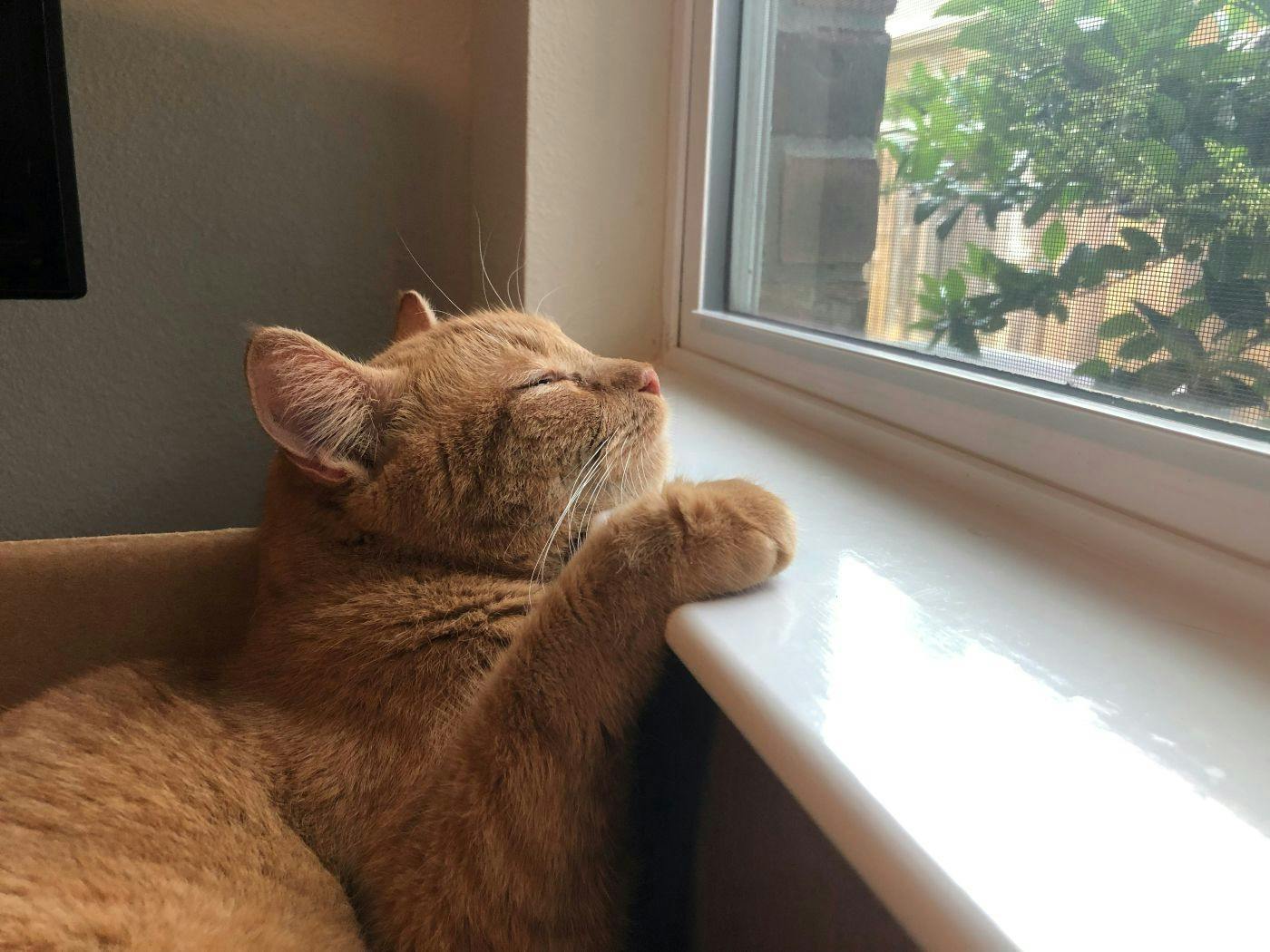
A cat nap varies widely in duration. It can be as quick as five minutes of shutting your eyes or as long as ten minutes. Usually not much more than that. Its purpose is informal, and this type of nap can happen anytime you feel tired. It usually takes place while sitting in a work or home office chair and provides a quick refreshment during the day.
The power nap differs in a few categories. The power nap is 20 to 30 minutes long. It is specifically intended to boost performance. A power nap is usually planned and timed, takes place in a specific, comfortable place, and optimizes performance without entering deep sleep.
The chief difference between the two lies in intent and timing. The power nap is strategically designed to stay in the lightest stages of sleep and never drop into the deeper REM stages. This helps the napper avoid grogginess that can occur when deeper sleep is interrupted. The power nap is carefully planned and executed. The cat nap, on the other hand, is casual. Like when a cat sleeps, it happens anywhere and at any time they feel sleepy.
The caffeine nap is a planned nap as well, similar to the power nap, but it involves caffeine. The idea is to drink caffeine before the nap. Caffeine usually takes about 20 minutes to kick in, so when the 20-minute nap is over, you have an extra boost of caffeine waiting for you. The caffeine nap leverages that extra boost on top of sleep.
Naps and Weakness
Lately, there seems to be some connection between napping and weakness. The president firmly said he was not napping, he was blinking or thinking. The insistence that a leader is weak because he naps. When did sleep, the need for sleep, or the choice of catching a few winks suddenly make someone less efficient and less, well, manly?
Part of the problem is that we now live in a society and culture that equates constant productivity with strength. There is some idea floating around the floors of Wall Street that says sleep is weak. It’s stronger to work all night, sleep maybe four to five hours, and be right back at the desk. Frankly, this is insane.
In Western cultures, and specifically in the United States, napping is stigmatized as a sign of laziness or a lack of self-discipline. Our current cultural norm emphasizes continuous wakefulness and productivity by day, then socializing all night. A quick disco nap, and then you’re at it again. This is a demanding and unrealistic schedule. No one, I don’t care how rich or powerful you are, can operate at their best without sleep.
There is also an influence from the industrial era that helps explain our current feelings about naps. The demands of the industrial work schedule called for a monophasic sleep pattern, with a single sleep period at night. In that context, people who needed sleep during the day were seen as lacking stamina or commitment. No one would take a chance on that type of worker, so sleep patterns had to change.
The "weak" or "lazy" label is less about physical weakness and more about a perceived mental or moral weakness. This is rooted in the idea that a “strong” individual should be able to power through the natural dip in energy after lunch without needing any rest.
These are cultural and societal myths, usually promulgated by bosses to keep their workers from getting lazy and appearing more productive. If you could label a man as not strong because he needed a rest after lunch, you could fire him and hire guys who were willing to muscle through the natural need to rest and appear more productive. I say appear on purpose, more on that later.
There are also biological downsides to the humble nap. Sleep inertia is a contributing factor to the notion that a nap is a sign of weakness. When you awake from a nap, especially a longer one of over 30 minutes, where your mind and body slip into deep sleep or REM sleep, there is usually a temporary state of disorientation, grogginess, and impaired cognitive function known as sleep inertia. This is a transient state, usually lasting a few minutes to an hour, during which the napper may feel weak and unable to function at full capacity immediately after waking. This can give the appearance of weakness.
Napping, or the need for naps, can also be seen as a serious underlying issue. If someone needs long naps or takes them frequently, it could be due to poor nighttime sleep. It could also signal an underlying medical condition such as sleep apnea, depression, anemia, or diabetes. In these cases, the need for naps is identified by the underlying issue, and the perception becomes weakness of character.
But it’s societal, not factual. The idea that sleep is for weak people, or the famous “I’ll sleep when I’m dead,” has nothing to do with morality, performance ability, or masculinity. Look busy, be busy is where we are today. Think about it. How often do you ask someone, “How are you today,” expecting “I’m well” or “I’m in a good mood,” only to get back, “busy.” That has become the moniker of the modern worker. Not good, bad, happy, sad, excited, or even depressed. Just busy.
Despite the proverbial sand being kicked in your face for not being manly when you take a nap, research has long debunked the weakness myth, showing that taking naps is actually good for you.
Nap Good
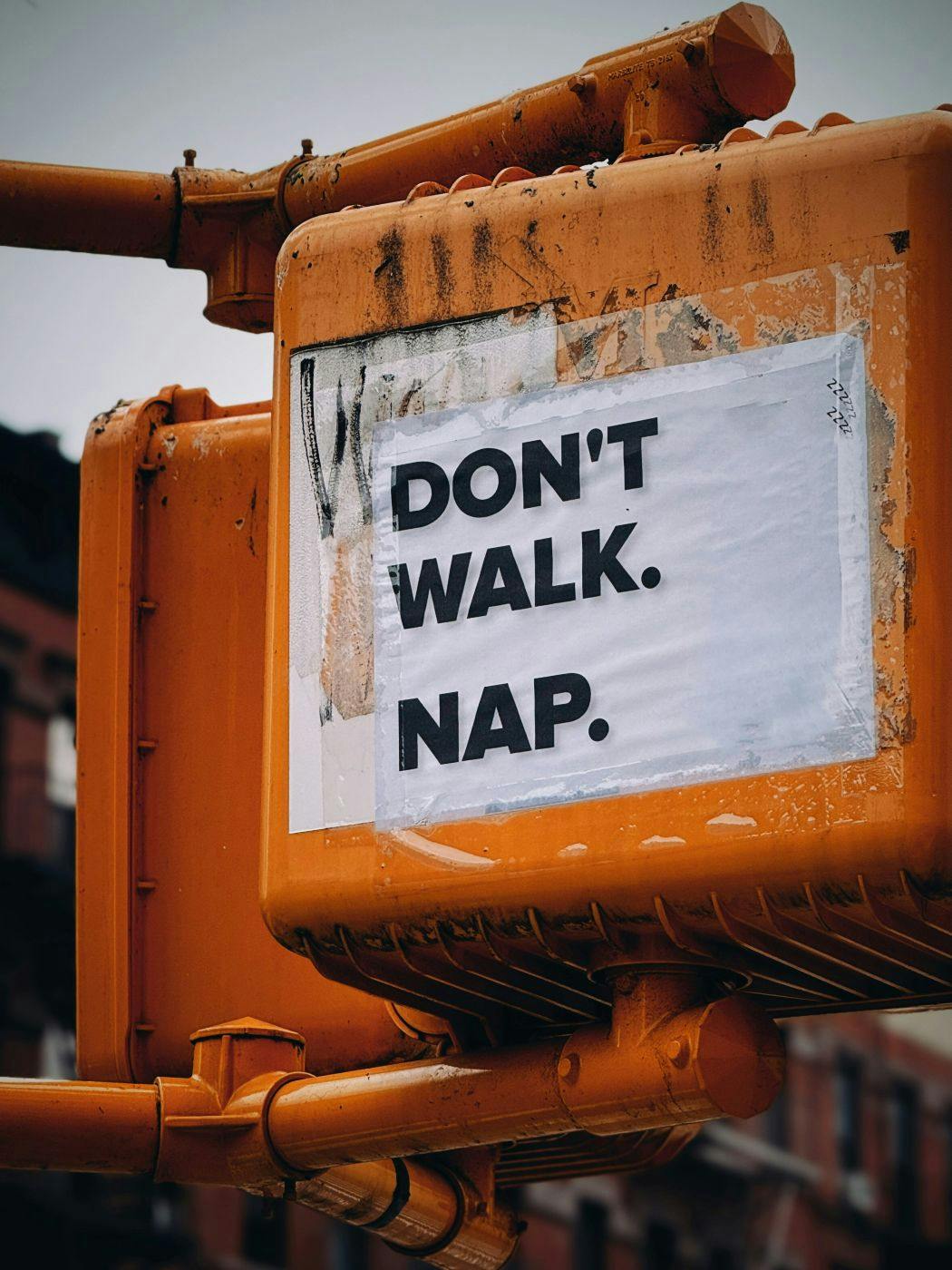
Scientists and toddlers agree, even if they fight nap time, that naps are good for you. However, the effectiveness of a nap depends on duration and timing. Short naps for adults are best when they stay within the 10- to 20-minute range. This allows the mind and body to refresh without interfering with nighttime sleep patterns. Anything over 20 minutes could be a sign of an underlying condition, and you should consult a medical professional if you constantly need sleep.
Nap Benefits
There are many benefits of grabbing some shut-eye during the day, and we shouldn’t allow toxic masculinity to ruin our little luxury, our little midday vacation. Science and people who pay attention have identified serious benefits to napping, some of which are:
- Boosted alertness and performance. A quick nap can improve focus, prevent lethargy, and reduce errors. This most often applies to post-lunch hours. A nap helps refresh, digest, and prepare for the rest of the afternoon.
- Enhances mood. A nap can dissipate crankiness and make people feel more positive. Both of these mental states matter in the workplace. They can reduce arguments, improve work output, and promote a general sense of goodwill in the office.
- Improves memory and learning. A nap not only refreshes, it also helps with information consolidation. This means that after a nap, someone may be better able to combine data, facts, or details from various sources into a stronger whole.
- Supports heart health. It has been shown that naps can help lower blood pressure, which is good for the heart.
- Recharges energy. This helps combat the afternoon slump and makes people more productive.
Just a few benefits of a good nap. But to get the most out of your nap, it’s important to know how to nap effectively. This is serious napping, not just giving in to the sunbeam that floods your bed. We’re talking about napping with purpose and intention.
Nap Right
It’s odd, isn’t it, taking something like a nap, something we’ve all done since we were kids fighting nap time, to now being adults wishing for a nap, and giving it rules and reasons to make it acceptable. But that’s where we are in this wacky world. We’re not kids anymore, and we have to justify every wink of sleep we take.
So if you want to nap, you’d better nap right. Here’s how:
- Timing. Part of napping right is knowing when to nap. Between 2 and 3 pm aligns with the natural dip in alertness. A nap here prepares you to face the rest of the afternoon without chugging fifteen cups of coffee, and without spoiling your nighttime sleep.
- Length. How long you nap is vital. You’re looking at a window of ten to thirty minutes. That gives you a refreshed feeling without slipping into deeper sleep that leaves you groggy and disoriented afterward.
- Environment. You may look at the guy on the subway who is deep in sleep, snoring and drooling, and think he’s lucky because he can sleep anywhere. He’s probably aided by alcohol or drugs. Ideally, you’ll want a dark, quiet place where you feel safe and comfortable, not worried about someone stealing your stuff. Be safe, be cozy, and sleep.
- Waking up. Set an alarm. This ensures you wake up for important meetings or to pick up the kids, and it helps prevent you from slipping into REM sleep, which causes grogginess when interrupted.
Too Much of a Good Thing
Naps, despite those who call them unmanly or pretend they don’t need sleep, are good for you on many levels. But there is nothing in this world that is purely good, except puppies. Naps have downsides, too, and if you nap a lot, that may be a red flag.
- Excessive napping. If you find yourself taking frequent or long naps, this could be a sign of sleep apnea, depression, or other health issues. If this is happening, talk to your doctor.
- Disrupting nighttime sleep. A long afternoon nap can impact your ability to sleep at night. If you’re struggling to fall asleep, backing off afternoon naps may help.
- Over-reliance. If you need naps just to function, or your naps are getting longer and more frequent, this could be a sign of chronic sleep deprivation. A medical professional can help you figure out what’s going on.
The Takeaway
The nap isn’t lazy. It isn’t weak. It isn’t a failure of discipline or ambition. It’s a biological reset button that most of us were taught to feel guilty for pressing.
Somewhere along the way, we decided that looking exhausted meant you were working hard, and resting meant you weren’t. But Tom didn’t rise through the ranks because he ignored his body. He listened to it. He didn’t grind himself into dust. He stepped away, reset, and came back sharper.
At ThoughtLab, we spend a lot of time questioning the stories we’ve been handed about productivity, success, and what strength is supposed to look like. The nap is a small example of a bigger truth. When you stop confusing burnout with virtue, you start making better decisions, better work, and better systems for the people inside them.
Sometimes the strongest move isn’t pushing harder. It’s closing the door, setting a timer, and taking twenty minutes.