

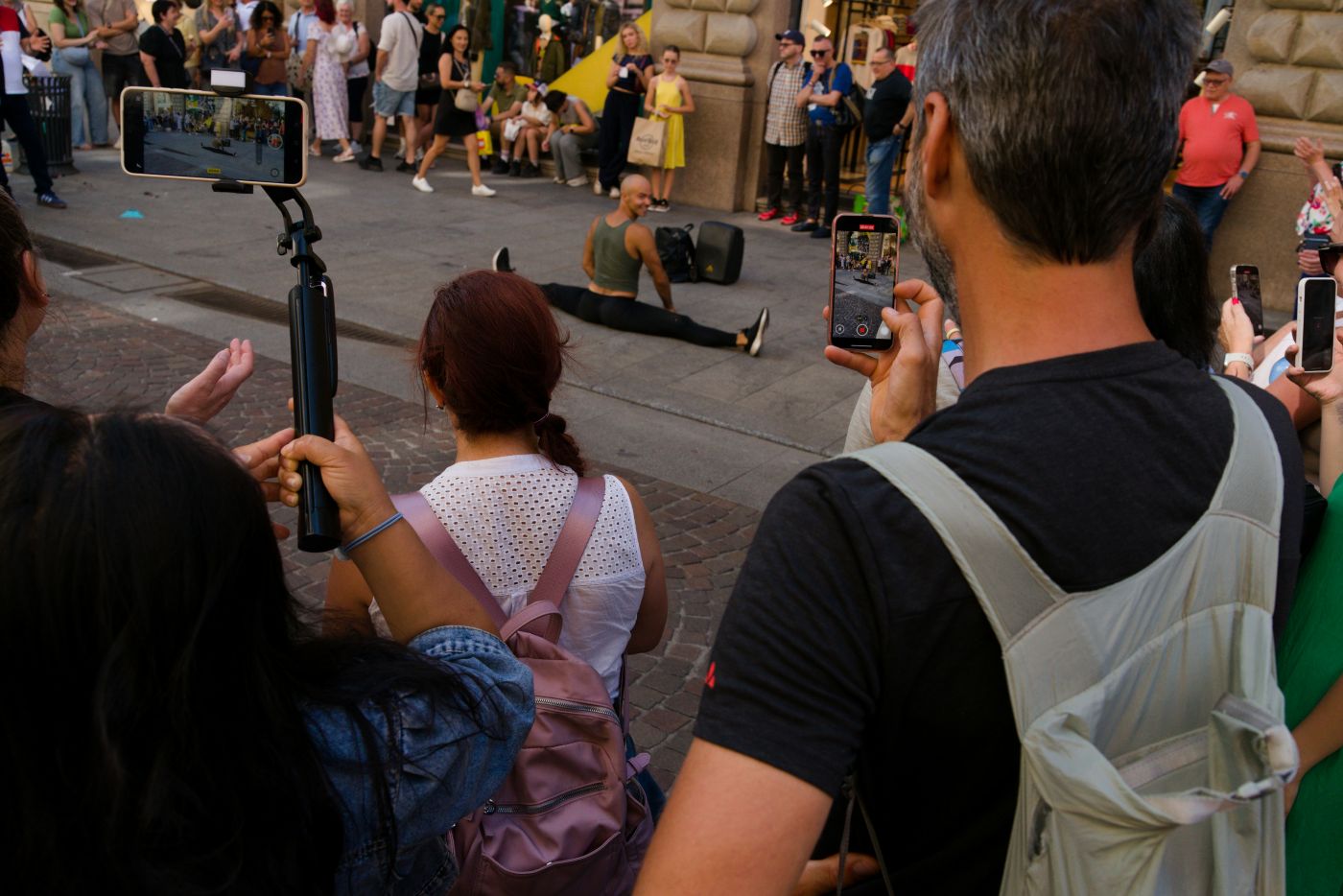
What troubles me now has very little to do with oversharing or vanity. It’s not the selfies, the opinions, or the endless updates. It’s the way social media has trained us to look at another human being’s worst moment and see, not a person in pain, but a piece of content.
I’ve never been much for social media. I had a MySpace page for about ten minutes, forgot my password, and decided I didn’t care enough to fight my way back in. I joined Facebook because that seemed to be what people did, kept up with it for a while, then wandered off when it started to feel less like connection and more like maintenance. The truth is, I’ve never believed my lunch, my passing thoughts, or the details of my day were essential reading for the masses.
For a long time, that was my issue with social media. It all felt a little too self-involved, too eager, and a little too hungry for attention. I could roll my eyes at it and move on. People posted what they wanted, other people pretended to care, and the world kept turning.
But somewhere along the way, the whole thing changed, or maybe it just revealed what it had been becoming all along. What troubles me now has very little to do with oversharing or vanity. It’s not the selfies, the opinions, or the endless updates. It’s the way social media has trained us to look at another human being’s worst moment and see, not a person in pain, but a piece of content.

It’s Not About Oversharing Anymore
For years, the complaint about social media was pretty simple. It made people louder, more performative, more interested in broadcasting themselves than living their lives. That was the easy critique, and for a while, it felt accurate enough. Too many updates, too many opinions, too much eager self-display. Annoying, maybe. Shallow, definitely. But survivable.
What feels different now is harder to laugh off. The problem is no longer just that people want attention. It’s that we seem to have developed a habit of treating public human distress as material. Someone melts down in a parking lot, collapses on a sidewalk, screams on an airplane, cries in a store, gets arrested in the street, and before anyone asks what happened or whether help is needed, phones are already out.
That shift matters. It says something ugly about what constant exposure has done to us. We’re no longer just living in a culture that encourages performance. We’re living in one that has started to treat other people’s pain as viewable, shareable, and strangely useful. A bad moment is no longer just a bad moment. It’s a clip. A post. A chance to capture something wild before it passes.
And the ugliest part may be how normal this now feels. People don’t even seem to pause before recording. The instinct to document has become so automatic that it gets there before sympathy does. Before judgment, before context, before anyone has even figured out whether the person in front of them is dangerous, humiliated, mentally unwell, or desperately in need of help, the camera is rolling.
That’s what troubles me. Social media didn’t just give people a stage. It gave the rest of us an audience instinct, and now we carry it everywhere.
The Phone Comes Out First
I was watching a series recently, DTF St. Louis, and in the final episode, spoiler alert, the son of two of the main characters has a full breakdown on a city bus. It’s an upsetting scene, and it’s meant to be. My friend Amy said what most decent people would say after watching it. She felt awful for the kid and couldn’t believe no one on the bus seemed interested in helping him.
What struck me was something colder. The scene worked emotionally, but it didn’t feel true to the world we live in now. Not because public breakdowns don’t happen. They do. Not because people have stopped caring entirely. I don’t think they have. It felt unrealistic because, in real life, there’s a good chance several people on that bus would have had their phones out within seconds.
That’s the part I can’t shake. We’ve reached a point where a person unraveling in public no longer reads only as a human emergency. It also reads as something recordable. Something postable. Something that might get attention. Even when nobody says that out loud, it’s there in the reflex. The hand goes to the pocket. The camera opens. The moment changes.
And once that happens, the person at the center of it changes too. They are no longer just a person in trouble. They’re now also a subject. An object of fascination. A piece of live material being gathered for later use, whether that use is outrage, mockery, proof, entertainment, or the simple thrill of having captured something dramatic before anyone else did.
That may be the bleakest thing social media has done to us. It has made documentation feel like participation. People can stand a few feet away from another human being in obvious distress, do nothing to help, and still feel involved because they recorded it. As if capturing the moment is a form of engagement. As if witnessing through a screen is somehow the same as showing up as a person.
A Public Breakdown Is Now a Genre
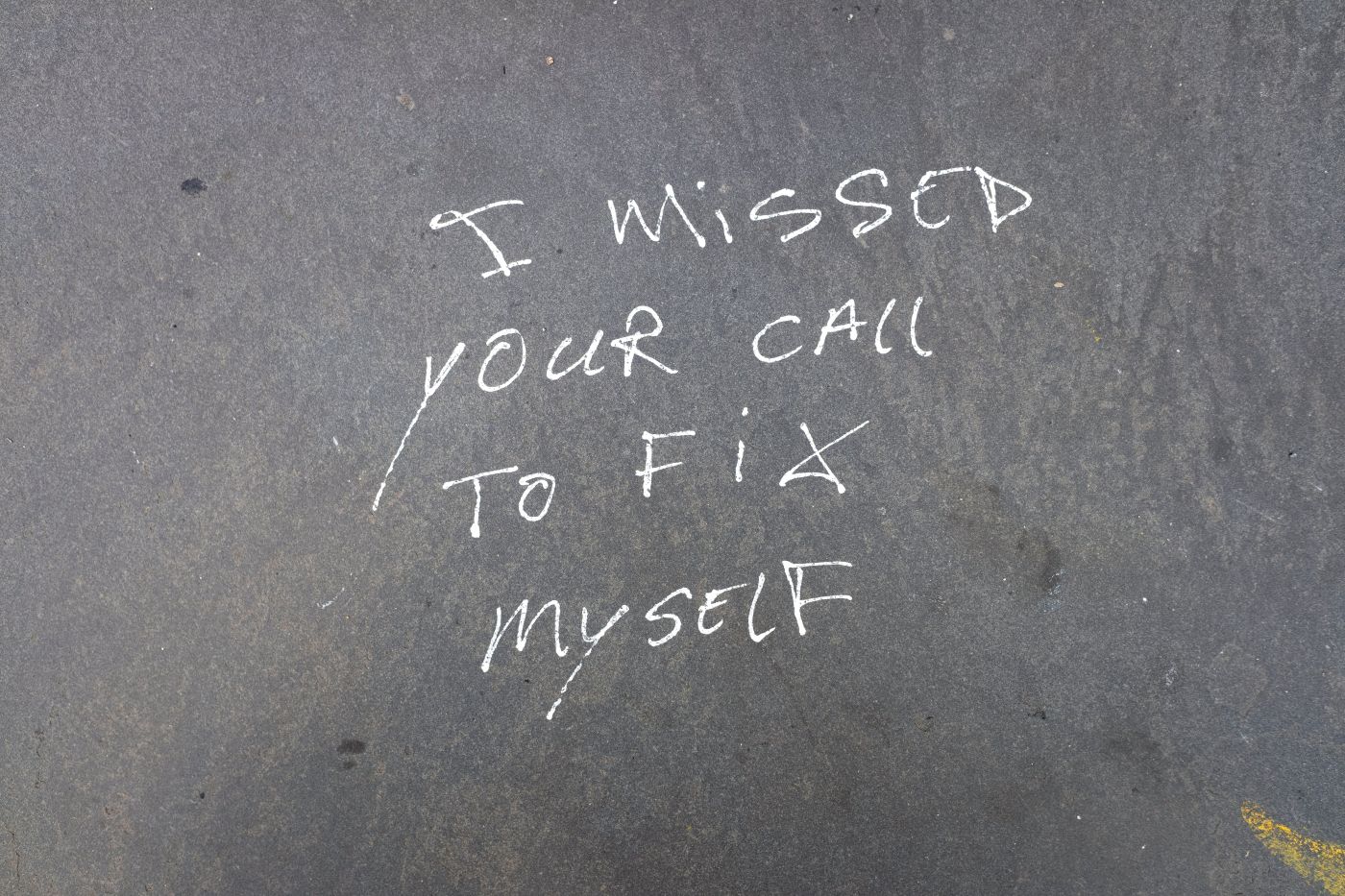
You can see this most clearly in the endless stream of videos built around public humiliation and collapse. A person starts shouting in a store. Someone loses control in a parking lot. A confrontation spills out onto a sidewalk. Within hours, sometimes minutes, it’s online under a title designed to make the whole thing feel half outrageous and half entertaining. Now there is a category for it, a familiar format, a kind of digital shelf space where human unraveling gets sorted and served back to us.
That changes how we see the people in those videos. Once a thing becomes a genre, it stops feeling singular. It stops feeling like one person in one terrible moment and starts feeling like a type. The angry woman becomes a Karen. The confused man becomes a freak-out. The public breakdown becomes one more clip in a long chain of clips, each inviting the same response from the viewer: watch this, can you believe this, look how crazy people are.
That flattening is part of the damage. The label arrives before the understanding. The joke arrives before the context. The audience is given a role right away: not to wonder what happened, what pain lies beneath this, or whether anyone helped after the camera stopped. The role is to consume. To react. To pass judgment from a safe distance while the person on screen lives with whatever came before the video and whatever follows it after.
What bothers me is not that some of these people are behaving badly. Some are. What bothers me is how quickly bad behavior, mental distress, fear, confusion, intoxication, humiliation, and real crisis all get poured into the same bucket and handed over as spectacle. Once that happens, the person at the center of it is no longer fully a person to the crowd. They are content, and content exists to be watched. To be consumed, like a plate of spaghetti, I ate, I’m full. What’s for dessert?
What That Does to Us
The damage here doesn’t stop with the person being filmed. It spreads outward. It changes the crowd, the person holding the phone, and the people watching later from the comfort of home. The more often we consume scenes like this, the easier it becomes to treat them as normal. Not tragic. Not alarming. Not even especially strange. Just another clip in the feed, another burst of chaos to react to before moving on to dinner, sports, or a dog video five seconds later.
That kind of repetition affects human perception. It trains us to keep a little distance between ourselves and the suffering in front of us. Instead of asking, "What does this person need?" we start asking, "What exactly happened here?" and then, almost immediately, "Did anyone get the whole thing on video?" The event gets processed as media before it gets processed as life.
That’s a dangerous reorder. Compassion depends on our keeping someone a person in our minds, even when they’re messy, loud, unstable, or hard to understand. The second they become material, something shifts. We feel less responsible. Less implicated. Less called to act. The camera doesn’t just record the moment. It can protect us from it. It gives us a pane of glass between ourselves and the discomfort of another human being in trouble.
And that may be why this troubles me as much as it does. It suggests that the worst habit social media has given us is not self-obsession, but detachment. Not just the urge to post ourselves, but the ability to stand in front of someone else’s humiliation, fear, or collapse and experience it first as something watchable. That’s more than rude. It’s a slow moral thinning, and once you notice it, it’s hard not to see it everywhere.
The Takeaway
For a long time, I thought the worst thing social media encouraged was vanity. Too much self-display, too much performance, too much noise from people convinced the world was waiting breathlessly to hear what they had for lunch. That all seems fairly harmless to me now, or at least harmless compared to what followed.
What unsettles me is the way these platforms have trained us to meet public distress with distance. A person breaks down, cries out, spirals, gets humiliated, or loses control, and the first response is so often not help, not caution, not even simple human concern. It is capture. The phone comes out. The crowd gathers. A human moment becomes a media event before it has even finished happening.
Maybe that’s the question underneath all of this. Not whether social media has made us vain, but whether it has made us spectators first and people second. Because once another person’s pain becomes content, something essential has gone missing. The person in front of us is no longer a neighbor, or a stranger in trouble, or even a full human being having a terrible moment. They are a clip. A category. A chance to watch without really entering the scene.
That feels like a loss worth paying attention to. At ThoughtLab, we spend a lot of time thinking about how technology shapes behavior, and this may be one of the quieter, darker ways it has shaped ours. It hasn’t just given us new tools for sharing. It has changed what we see when we look at one another. And if the instinct to film now arrives faster than the instinct to help, that’s not just a media problem. It’s a human one.
