

People talk about being present like it’s some mystical thing. It isn’t. It’s a skill you build the same way you build anything else. Repetition. Awareness. Time spent paying attention to the world you’re in instead of the one you wish you were in.
During the preview of A Christmas Carol, the show I am currently doing, someone’s cell phone went off during the performance. Without a beat, I stepped into the audience, took the phone, and answered it as Ebenezer Scrooge. The audience laughed, my fellow actors played along because they are all awesome and sharp, and this is the kind of show we’re doing. I finished the call, after a few jabs about calling someone who’s seeing a show, and a few more jabs at the audience member who thought it was okay to answer the call, got the laugh, and returned to the show. Nothing was lost, a point was made, and the audience was thrilled by a little improvisation.
A friend of mine was at the show, and afterward she asked me about it. How easy or difficult was it to do that, and when, in situations like that, do you decide it’s okay?
It wasn’t an easy question. I talked about timing, about the permission we’ve been given and given ourselves to react to externals. I talked about what it was like to be the “mean” and “angry” Scrooge, but being able to make jokes from Scrooge, and also, in part, from me. I told her that there are so many factors you have to deal with in a matter of seconds that the most important factors are trust and being present. I trust that once I launch into a bit like that, I’ll know how to control it and how to get a laugh out of it. I also trust that my fellow actors will be with me and support me and the bit. The second most important factor is being present.
Being present means you’re in character, you’re doing the show, but you have enough outside awareness that you can take in things that are suddenly presented, like a phone call, and decide quickly if it’s right to acknowledge the call, if you can make something out of it, and how to handle it. Being present also means that those on stage with you are with you, understand what you’re doing, and support you. Being present means you’re engaging all parts of your brain at once. Think of it: you have lines you’ve memorized to tell the story, you have an audience watching, and you have other actors on stage. You hear the phone ring, and you also understand from movement and sound that the phone is going to be answered. So you pick up all that information while staying in character, staying in the scene, and then making the choice to engage with the audience member. You have to be aware of all of that, and the only way to do it is to be 100% present.
Being present means that whatever falls into the playing sphere is acknowledged in some way and either played, like answering the phone, or ignored. The kid in the front row, opening a bag of pretzels, I choose to ignore because going after a cute kid in a princess dress would surely not get the audience on my side. That’s a choice you have to make. And again, the only way to make the choice is to be present. Present in the play, present to your fellow actors, present in the moment to what the audience gives you, and more. Being present, especially on stage, means being alive in the moment and accepting all that comes your way.
What I realized while talking through all of this is that being present isn’t just an acting thing. It’s the whole game in branding, too. Brands get thrown curveballs all the time. A shift in the market, a sudden trend, an unexpected comment from a customer, a piece of feedback no one saw coming. Most brands freeze when that happens. They cling to the script. They ignore what’s right in front of them.
The ones that actually connect are the ones that stay present. They pay attention to what the audience gives them. They listen. They adjust without breaking character. They trust their team enough to improvise when the moment calls for it. They’re not rattled by surprises because they’ve built a brand strong enough to respond instead of react.
Presence is what keeps a performance alive on stage, and it’s what keeps a brand alive out in the world. Both require awareness, trust, timing, and the confidence to make the right move when the moment lands in your lap. And the funny thing is that the more present you are, the more your audience feels seen, which is really what every great performance and every great brand is trying to do.

What Was Actually Happening on Stage
The funny thing about a moment like that is how much your brain is doing all at once. From the outside, it might look like a simple bit of improv, but inside, it feels like everything wakes up at the same time. You’re in character. You’re delivering lines you’ve worked on for weeks. You’re in the rhythm of the scene with the rest of the cast. And then something unexpected drops into your field of vision and hearing. A ringtone. A movement. The clear signal that the person is going to answer it.
In a split second, you’re scanning all of it. You’re still Scrooge, but you’re also you, standing inside the story with enough awareness to judge the moment. Can you use this? Should you use this? Will it help the energy of the show or hurt it? Will the cast understand what you’re about to do? Will they support it? Will you be able to get back into the scene without losing the audience or throwing everything off balance?
That’s the real work. It’s not the joke or the comeback. It’s the presence. The ability to stay fully inside the world of the play, while also registering every signal the room gives you. You trust your instincts because you’ve built that trust. You trust the cast because you know they’re with you. And you trust that if you make the move, you’ll know how to land it and return to the scene without breaking the story.
Moments like that don’t happen because you’re clever. They happen because you’re aware. You’re listening. You’re taking in the room. And when the moment arrives, you’re ready to meet it.
What Being Present Really Means
People talk about being present like it’s some mystical thing. It isn’t. It’s a skill you build the same way you build anything else. Repetition. Awareness. Time spent paying attention to the world you’re in instead of the one you wish you were in.
On stage, being present means you’re fully inside the character and fully aware of the room. You’re carrying the story, but you’re also watching your castmates out of the corner of your eye. You’re listening to the audience breathe. You’re noticing the tiny shifts that tell you whether a joke will land or sail right past them. You’re ready for the unexpected because you’re not locked inside your own head.
It’s not about perfection. It’s about attention. You stay loose enough to respond, steady enough to stay grounded, and aware enough to read what the moment is telling you. You’re not improvising to be clever. You’re improvising because something showed up, and ignoring it would feel false. Presence lets you make the choice that keeps the scene alive.
It’s also what gives your cast the confidence to follow you. When you’re present, they feel it. They can see you taking in the space, adjusting, listening, staying open. Presence isn’t a solo thing. It’s something the whole stage benefits from. When one person is fully awake, it wakes everyone up.
And the audience can feel it too. They may not know the mechanics, but they know when a performer is alive in the moment. They lean in. They trust you more. They give you permission to play because they can sense that you’re genuinely here with them instead of just delivering lines into the dark.
Presence isn’t magic. It’s contact. With yourself, with your partners, and with the room that decided to spend two hours with you. It’s the thing that makes a performance feel real and alive instead of something that could have been prerecorded and mailed in.
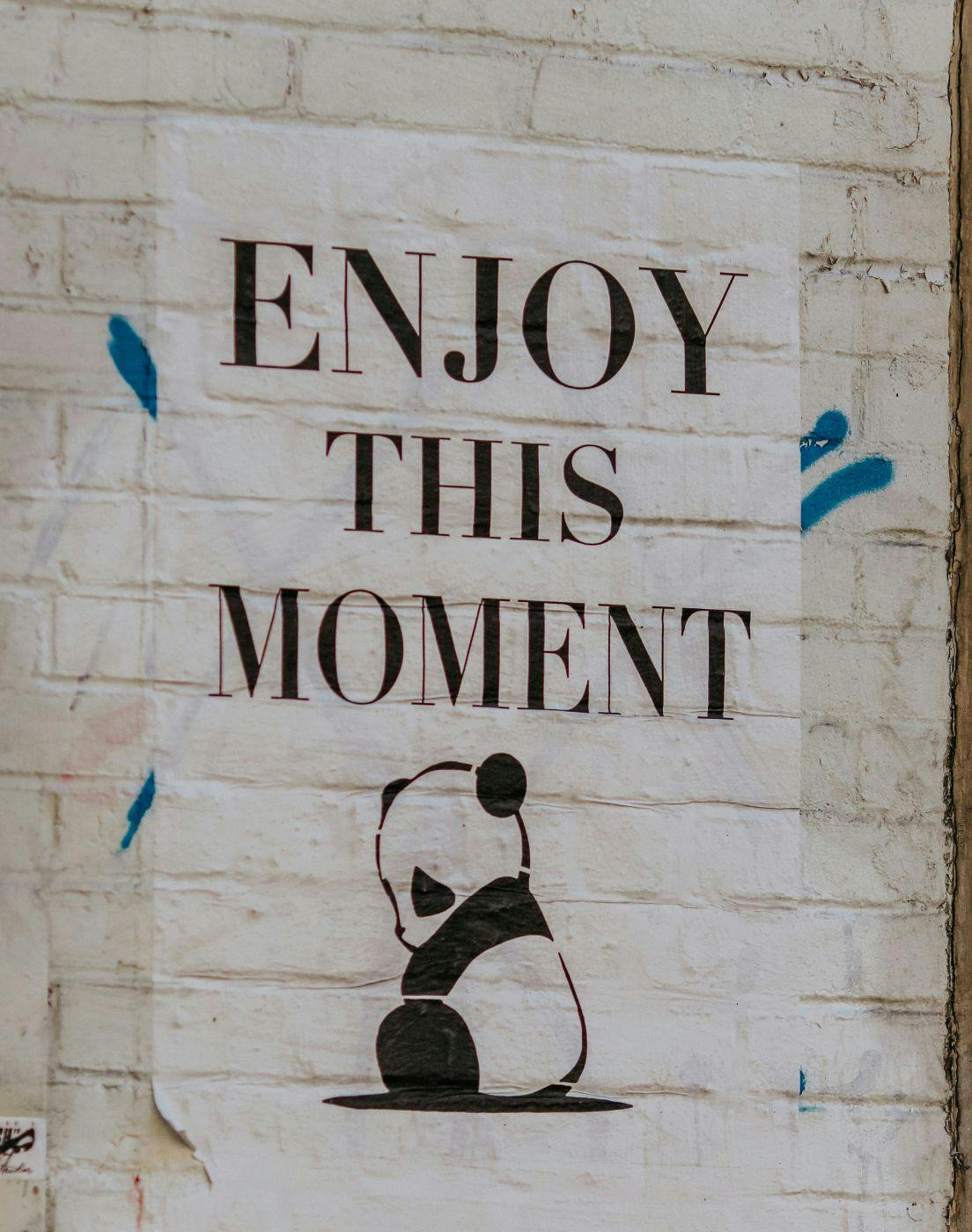
Brands Need Presence Just as Much as Performers
The more I thought about that moment on stage, the more it reminded me of what happens with brands. They get interruptions, too. A change in what people want. A comment that starts spreading. A shift in tone that no one planned for. Something unexpected lands in their lap, and they have to decide, right then, what to do with it.
A lot of brands don’t handle it well. They act like they didn’t hear the phone ring. They keep pushing whatever they planned, even when the room is giving them something completely different. They stick to the script because the script feels safe.
But the brands that stay connected are the ones that actually pay attention. They watch how people react. They listen when something feels off. They adjust without losing who they are. They make choices in the moment instead of pretending the moment isn’t happening. And the only way they can do that is if the people behind the brand trust each other enough to move together.
It’s the same thing that happens on stage. When you’re present, you can meet the moment instead of fighting it. You’re not guessing. You’re responding to what’s right in front of you. And people can feel that. They may not know why it feels better, but they know when something is real and when something is just rolling along on autopilot.
That’s presence. Not the fancy kind. Just the simple act of paying attention and being willing to work with what shows up.
Brands That Freeze and Brands That Respond
When you watch brands long enough, you start to notice how differently they handle pressure. Some tighten up the second things stop going according to plan. They fall back on whatever they already approved, even when it doesn’t fit the moment at all. Their voice gets stiff. Their timing feels off. You can sense the fear behind it, almost like they’re hoping no one will notice they’re out of sync.
And then there are the brands that stay aware. They aren’t guessing or scrambling. They’re just paying attention to what’s happening right now. If the mood in their audience shifts, they see it. If people start asking for something different, they hear it. They don’t rewrite their whole identity every time the wind blows, but they don’t cling to old messaging just because it’s familiar. They make small, thoughtful adjustments that keep the whole thing honest.
It’s the same thing that happens on stage when someone drops a line or a prop breaks. One actor freezes. Another actor uses the moment to pull the audience closer. The difference isn’t talent. It’s awareness. One is trying to drag the scene back to the script. The other is meeting the moment in front of them. The audience always feels the difference.
When a brand responds instead of locking up, it creates a strange kind of ease. People may not know what changed, but they feel more comfortable. They feel like the brand is awake. Present. Paying attention instead of hiding behind a plan that’s already expired. And that kind of presence builds trust far faster than perfect messaging ever will, because it shows people the brand is willing to stay in the room with them instead of ducking out when things get unpredictable.
What Brands Gain by Being Present
When a brand actually pays attention, the whole way it moves changes. It stops feeling like a machine that spits out messages on a schedule and starts feeling like a group of people who are aware of the world around them. And that shift has real consequences.
For one, the tone gets better. Not “better” in a polished way, but better in the sense that it fits what people are feeling. You’re not pushing a loud, cheerful campaign on a week when your audience is clearly tired or frustrated. You’re not forcing enthusiasm when the room is quiet. You’re adjusting the volume the same way you would in a conversation.
Being present also keeps brands from making decisions that feel tone deaf. When you’re actually watching how people react, you catch the small signals before they turn into bigger problems. You notice when your audience laughs at the wrong part, or doesn’t laugh at all. You notice when a message lands flat. And instead of doubling down, you adjust.
It also changes how teams work together. Presence creates a kind of internal trust. When people inside the brand know the group is paying attention, they feel more comfortable offering ideas, asking questions, or pushing back when something feels off. It becomes less about defending the plan and more about finding the move that fits the moment.
And the audience can feel all of this. They may not describe it in those terms, but they know when a brand is awake. They know when the people behind it are actually listening. It makes the whole thing feel less like a performance and more like a real exchange. Not perfectly scripted. Not polished. Just paying attention and responding like a human would.
Presence doesn't make a brand louder or flashier. It makes it real. And that’s usually enough.
How ThoughtLab Helps Brands Build Presence
This idea of presence isn’t something brands stumble into. It takes some structure behind the scenes. When you look at the brands that handle the unexpected well, they usually have a few things in common. They know who they are. They know why they exist. They know the tone they naturally speak in. And because all of that is clear, they have room to move when something unplanned shows up.
That’s a big part of the work we do at ThoughtLab. We help brands sort out the pieces that sit underneath the messaging so they aren’t guessing every time the moment shifts. When a brand knows its core, it doesn’t have to cling to a script. It can respond without losing itself. It can improvise without turning into something unrecognizable.
Clarity gives brands breathing room. It gives teams confidence. It keeps everyone on the same page, so when a real-world interruption shows up, people aren’t scrambling or arguing or trying to duct tape the moment back together. They just handle it the same way a seasoned cast moves through an unexpected moment on stage. Not because someone told them exactly what to do, but because they understand the world they’re standing in.
When a brand has that kind of foundation, presence becomes possible. It’s not a trick. It’s not luck. It’s the result of having a clear identity and a team that trusts each other enough to use it.
The takeaway
That moment with the phone only worked because I wasn’t trying to force the show back onto the track we laid weeks ago. I was actually in the room. I heard the phone. I saw the person reaching for it. I felt the energy shift. All of that information came in at once, and the only reason I could use it was because I was present enough to notice it.
Brands deal with the same thing every day. The audience changes. The mood shifts. People ask for something different than what the brand planned to give them. And the brands that end up feeling disconnected are usually the ones that push ahead anyway, as if the room doesn’t matter. It’s the same mistake an actor makes when they ignore an obvious moment on stage. You can feel the distance immediately.
The brands that stay connected are the ones that treat the world the way a good cast treats a live performance. They stay alert. They listen. They take in the signals, even the small ones. They make adjustments that keep the whole thing honest without abandoning who they are. Presence gives them the ability to make real choices instead of defaulting to whatever was written down months ago.
And that’s the whole point. Presence isn’t about being clever or unpredictable. It’s about being awake. It’s about caring enough to read the room you’re actually in, not the one you imagined. When a brand does that, people feel it. They may not name it, but they trust it. They lean in. They believe the brand is paying attention to them, not performing at them.
That’s what makes the work feel alive, whether you’re standing under stage lights or trying to build something people want to connect with. Presence turns interruptions into moments. And when you handle those moments well, the entire story gets stronger.