Once you start paying attention to the built world, it becomes hard to ignore what it’s telling you. Buildings don’t argue. Roads don’t explain themselves. Infrastructure doesn’t defend its choices. It just sits there, doing exactly what it was designed to do, shaping behavior day after day.
<br />
I recently watched the new documentary by Ken Burns on the American Revolution. Like most of his work, it leans heavily on letters, journals, and personal accounts from the people who lived through it. Not the cleaned-up version of history we learn later, but the version that existed while things were still uncertain and unfinished.
That’s always been the power of his films, for me. Facts and dates give us the outline, but letters fill in the human reality. They tell us what it felt like to be there. Fear written in haste. Confidence that hadn’t yet been tested. Conviction that hadn’t yet met resistance. Letters to wives, sweethearts, parents. Journal entries scribbled in the margins of ordinary days that turned out not to be ordinary at all.
Those details matter because they show how people understood their world while they were inside it. Before outcomes were known. Before causes became slogans. Letters and journals speak to the heart of history because they’re honest in a way public language rarely is. They show belief without polish. Hope without strategy. They show how a country talked to itself when it wasn’t trying to convince anyone else.
This is how America often tells its story. Through words. Through ideals. Through personal conviction and shared mythology. Through the emotional record of who we believed ourselves to be at a given moment in time. And that record is important. It tells us what people wanted to be true. But it doesn’t always tell us what actually happened next.
Where That Story Breaks Down
The problem with relying too heavily on letters and ideals is that they tend to give us a flattering version of ourselves. They capture what people hoped was true, what they wanted to believe about the country they were helping to shape. Unity. Equality. Opportunity. Progress. Those ideas show up again and again in the written record. But belief is cheap compared to follow-through.
Every country talks about its values. What separates intention from reality is what happens next. What gets funded. What gets prioritized. What gets postponed. What gets justified as necessary, and what gets dismissed as impractical.
America is no different. We’ve always been good at telling ourselves who we are. We’ve been less consistent when it comes time to act on it.
You can see that gap everywhere once you start looking for it. We talk about connection, then build systems that isolate. We discuss opportunity, then design environments that subtly reinforce who belongs and who doesn’t. We discuss community, then approve projects that make sense on paper but strain the lives already in place around them.
None of this requires bad intentions. In fact, that’s what makes it harder to confront. Most decisions are rational in isolation. They’re efficient. They’re defensible. They solve a defined problem. It’s only over time, and at scale, that their side effects become visible.
That’s the limitation of history told primarily through words. It captures emotion but glosses over consequences. It records what people said mattered, not always what they were willing to live with once tradeoffs entered the picture.
Because every belief eventually encounters reality. And reality doesn’t negotiate.
This is where the story shifts. Not away from ideals, but toward evidence. Toward the physical record that outlasts speeches and letters. Toward the things that remain standing long after intentions have faded and authorship has been forgotten.
If you want to understand where America’s story gets complicated, this is the moment. When values cease to be abstract and begin to take up space.
The Built World as Evidence
Once you start paying attention to the built world, it becomes hard to ignore what it’s telling you.
Buildings don’t argue. Roads don’t explain themselves. Infrastructure doesn’t defend its choices. It just sits there, doing exactly what it was designed to do, shaping behavior day after day. Where you can go. How fast you can get there. Who feels welcome. Who doesn’t. What’s easy. What’s exhausting. What quietly costs more time, money, or dignity than anyone expected.
This is where values stop being philosophical and start being practical.
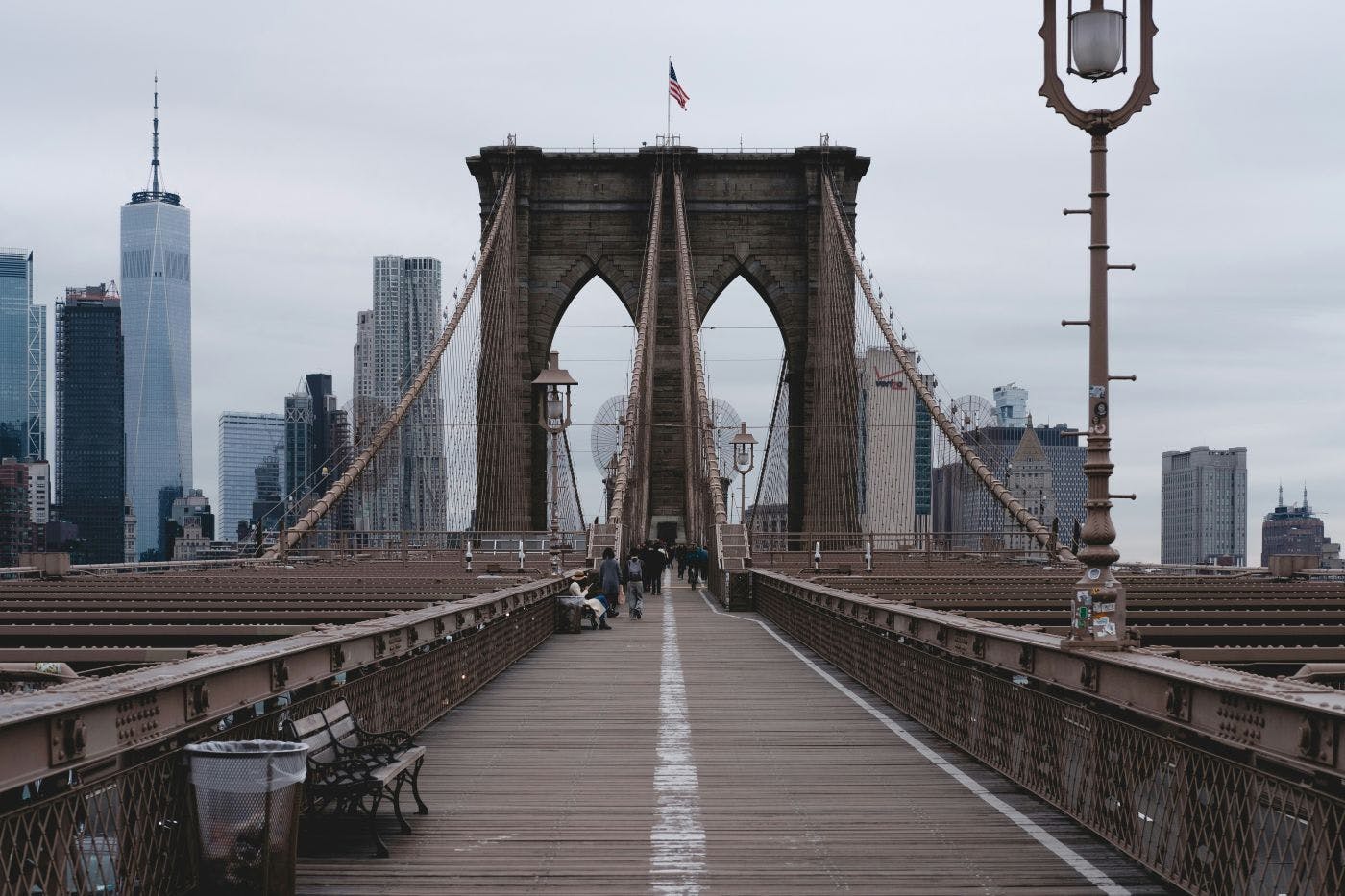
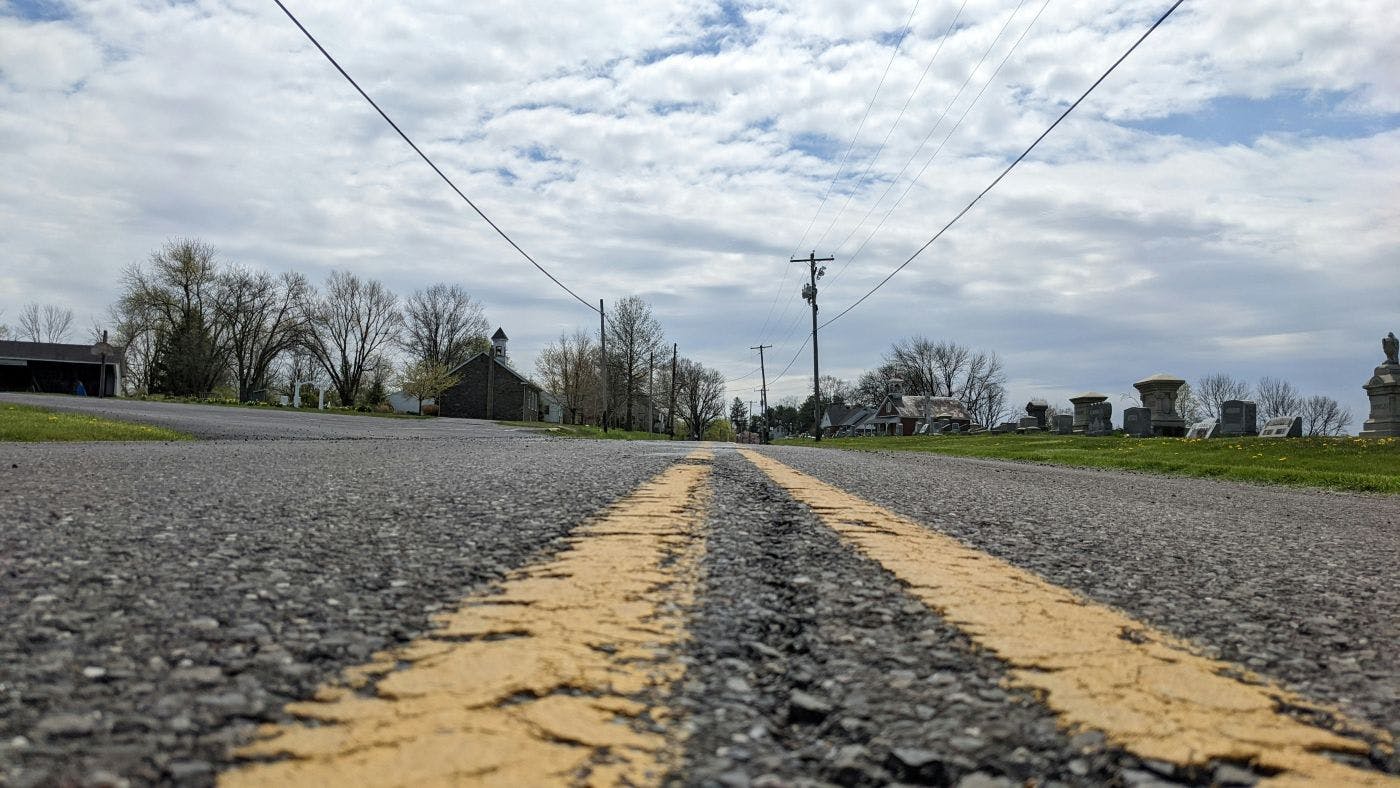
A road tells you what mattered enough to connect. A bridge tells you what was worth the expense. A neighborhood tells you who was expected to live there and who wasn’t. A tower tells you what kind of density, power, or prestige was acceptable in a given place at a given time. None of these decisions is abstract. They’re specific, budgeted, approved, and built.
And once they exist, they stop feeling like decisions at all. They become the backdrop. The assumed condition. The thing everyone plans around without questioning how it got there in the first place.
That’s what makes the built environment such an honest record. It doesn’t preserve intention. It preserves outcome. It shows what actually happened after the meetings ended and the speeches were done. It reveals which compromises were acceptable, which ideals were flexible, and which voices carried enough weight to shape the final form.
You can read about equality and opportunity in letters and founding documents. You can feel sincerity in them. But the physical world shows you how those ideas were interpreted when space, money, and permanence entered the equation.
And permanence is the key difference.
Once something is built, it stops being a conversation. It becomes a condition everyone else has to live with. You can argue with a sentence. You can’t argue with a highway. You navigate it, adapt to it, or get pushed aside by it.
This is why the built world matters so much to the story of America. Not because it’s impressive or ambitious, but because it’s unforgivingly clear. It shows us, without commentary, what we were willing to make real.
Permanence Changes the Stakes
There’s a reason building feels different than deciding.
Most choices are reversible. Strategies get updated. Policies change. Language evolves. Even deeply held beliefs soften over time as new information shows up or circumstances shift. But construction doesn’t work that way. Once something is built, it takes on a kind of authority. It stays put. It asks everyone else to adjust to it, often for decades.
That permanence changes the nature of responsibility.
A building doesn’t just solve the problem for which it was designed. It creates new conditions. It redirects movement. It concentrates activity in one place and drains it from another. It changes how a neighborhood sounds, how it feels at night, how people move through it without ever thinking about why. Over time, those changes stop feeling intentional. They just feel normal.
That’s the part that’s easy to overlook. Permanence disguises authorship. Once the ribbon is cut and the project fades into the background of daily life, it no longer feels like a choice anyone made. It feels inevitable. As if it couldn’t have been otherwise.
But it always could have been.
Every structure is the result of a long chain of decisions. Some big. Some small. Some visible. Some quietly made in rooms most people will never see. Design decisions. Engineering decisions. Budget decisions. Timing decisions. Each one shapes the final outcome in ways that compound over time.
This is why building carries a different ethical weight than most other forms of work. Not because it’s noble, but because it’s consequential. A sentence can be revised. A campaign can be retired. A building asks generations to live with it.
And that doesn’t mean every project needs to carry the burden of symbolism or perfection. It does mean that neutrality is a myth. Even doing the minimum says something. Even efficiency has a shape. Even practicality leaves a mark.
Once you accept permanence as part of the equation, the conversation changes. The question shifts from whether a project meets its brief to whether it understands its impact. Not just on opening day, but years down the line, when the people who approved it are gone, and the structure is still there, quietly doing its work.
That’s when responsibility stops being abstract. It becomes structural.
The People in the Middle
Between belief and outcome, there’s a long stretch of work that rarely makes it into the story.
Ideas don’t become structures on conviction alone. Someone has to translate ambition into dimensions. Someone has to reconcile intent with gravity, code, climate, budget, schedule, and reality. Someone has to make the thing actually stand up, actually function, actually last.
That work happens in the middle.
Not at the level of grand ideals, and not at the level of lived consequence either, at least not yet. It happens in drawings, calculations, models, revisions, meetings, site walks, value engineering exercises, and a thousand small decisions that don’t feel philosophical while they’re being made. They feel practical. Necessary. Sometimes mundane.
But this is where the future quietly takes shape.
The people doing this work aren’t writing history, at least not in the way we usually think about it. They’re not authoring manifestos or making speeches. They’re resolving conflicts. Making tradeoffs. Choosing one option over another because it works, because it fits, because it can be built, because it won’t fail.
And yet those choices accumulate. They determine how close an idea comes to its original intent, and how far it drifts once reality applies pressure. They decide whether a project merely exists or actually belongs where it lands.
This is the part of the story that rarely gets acknowledged. Not because it’s unimportant, but because it resists simplification. It doesn’t lend itself to neat narratives or clean credit. It lives in the overlap between disciplines, between aspiration and constraint, between what’s wanted and what’s possible.
That overlap is uncomfortable. It’s where responsibility lives.
Because once you’re operating in the middle, you can’t pretend the outcome is someone else’s problem. You can see the ripple effects forming. You can sense where a decision might solve one issue while creating another. You know, even when no one says it out loud, that the thing you’re helping bring into the world is going to shape lives long after the project team moves on.
This is where the story of America becomes physical. Not in the ideals that inspired a project, and not in the consequences people will eventually live with, but in the translation between the two. In the space where values either survive contact with reality or quietly get redesigned.
That’s not a heroic role. It’s a consequential one.
AEC as the Ongoing Story of America
Every era of America leaves behind a physical record.
You can see it in what gets built, where it shows up, and how much care is taken in the process. You can tell what a generation worried about, what it prioritized, and what it was willing to live with by looking at the environments it created and normalized. Not just the landmarks, but the everyday stuff. The roads people take to work. The places they gather. The systems they depend on without thinking much about them at all.
That’s what makes AEC different from most other industries. It doesn’t just respond to culture. It locks it in.
The work doesn’t disappear when tastes change or strategies shift. It becomes the setting for daily life. It shapes habits, expectations, and movement. It influences how people experience their cities and towns in ways that are so constant they’re easy to miss.
In that sense, AEC isn’t operating alongside history. It’s writing it in real time.
Not as a single voice, and not with a unified agenda, but through thousands of projects that collectively describe what this moment values. Efficiency versus care. Speed versus durability. Access versus exclusivity. Short-term gain versus long-term impact. None of these are theoretical debates inside the built environment. They show up in form, scale, material, and context.
And this isn’t about nostalgia or idealism. Every generation builds imperfectly. Every era makes tradeoffs it later regrets. That’s part of the story, too. The point isn’t to imagine a version of building without consequence. It’s to recognize that consequence is already baked in.
What gets designed and constructed today will be inherited by people who didn’t choose it. They’ll live inside these decisions without knowing who made them or why. They’ll accept certain conditions as normal because they’ve never known anything else.
That’s the quiet power of this work.
AEC professionals don’t just deliver projects. They help determine what kind of country takes shape next. Not all at once, and not alone, but steadily, project by project, decision by decision. Over time, those decisions become the evidence future generations point to when they try to understand who we were.
And they won’t start with our words. They’ll start with what we left standing.
The takeaway
If America is legible through what it builds, then the work happening across AEC right now matters more than we usually admit. Not because every project is historic, but because every project participates in a larger pattern. Over time, those patterns become the story.
That’s the perspective we take at ThoughtLab. Not that design and construction need more mythmaking, but that they deserve more clarity. More honesty about consequences. More attention to the quiet decisions that shape lives long after a project team has moved on.
Because what gets built is rarely neutral. It reflects priorities, assumptions, and values, whether or not anyone intended it to. And once those choices take physical form, they stop being abstract. They become conditions people live with.
For firms working in AEC, this isn’t about carrying the weight of the world on every project. It’s about recognizing the role you already play. You’re not just responding to demand. You’re helping define the environments that future generations will accept as normal.
ThoughtLab exists to help teams see that responsibility more clearly. To ask better questions earlier. To think past the brief and toward impact. Not to slow work down, but to make sure what gets built actually aligns with what it’s meant to stand for.
Because in the end, the most honest story America tells won’t be found in its words. It will be found in what’s still standing.