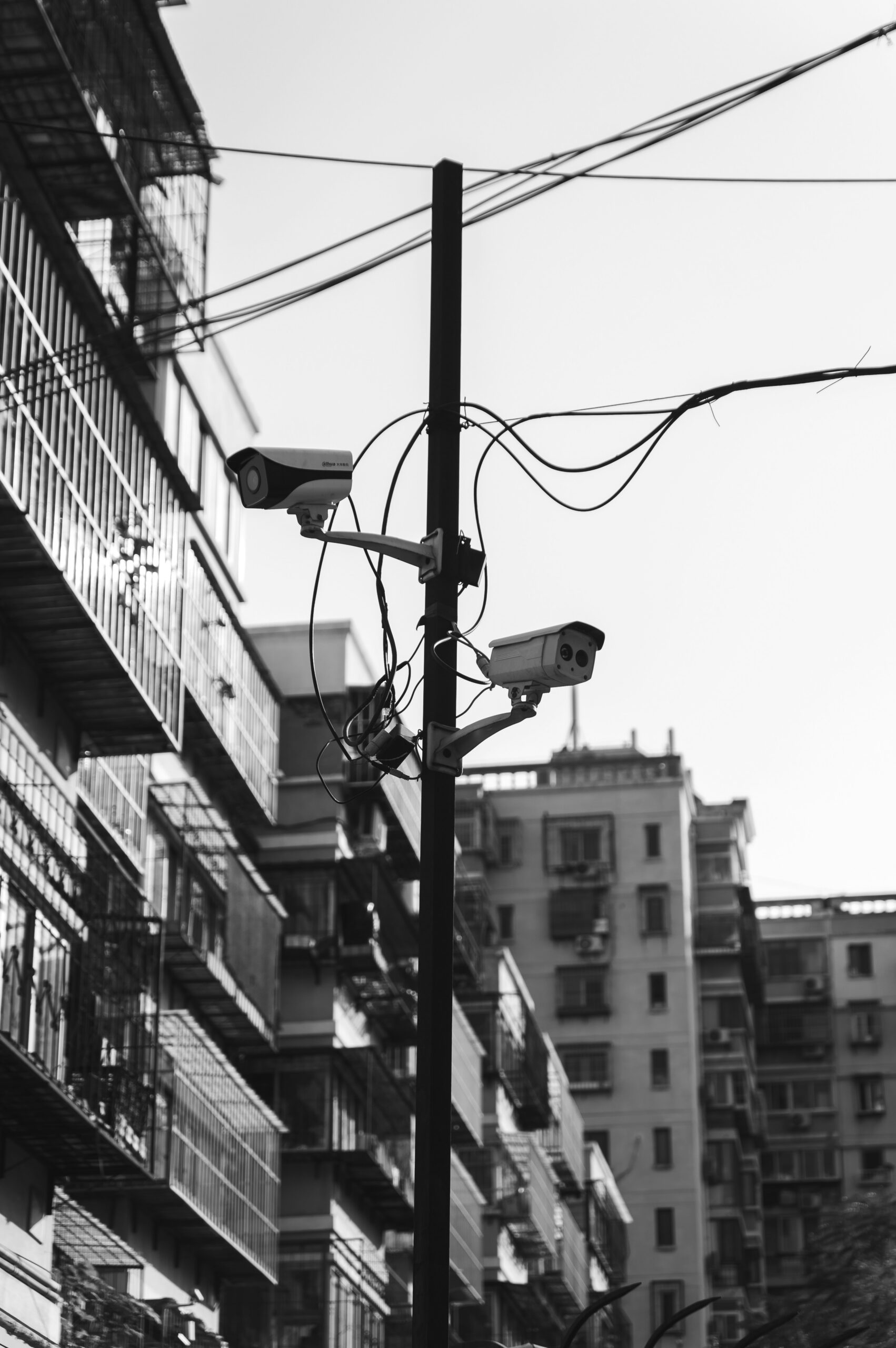
This rant is for content creators and consumers of that content. I keep seeing the same things in your videos, and I need to address them yet again. I have written about this before, but I feel like it needs to be restated, so hang on, because it’s coming your way. I will keep this as brief as possible; I will.
You know the image: old man standing on his porch, cane in his hand, waving it over his head and shouting at the neighborhood kids, “God damnit, you kids get the hell off my lawn.” The kids scramble, laughing and falling all over themselves. The old man continues to rant about time and respect and when he was a kid — and the best part, yup, you guessed it, someone caught it on video.
Well, I’m an old man, but I don’t have a porch or a cane. No one will catch this on video, as I’m writing from the comfort of my own desk. But I’m going to rant for a bit. Hopefully my ranting will be informative and educational. We’ll see.
This rant is for content creators and consumers of that content. I keep seeing the same things in your videos, and I need to address them yet again. I have written about this before, but I feel like it needs to be restated, so hang on, because it’s coming your way. I will keep this as brief as possible; I will.
Video in Public
A lot of people get caught on camera saying You can’t film me, I’m going to sue you, and you need my permission to film me, I’m calling the cops.
Here’s the reality you need to know: In the United States, taking video in public is generally legal and protected by the First Amendment as long as you are in a space where people have no reasonable expectation of privacy (such as public streets, parks, or open government buildings). For those who need more information, here are the general rules for filming in public. These are for people who say it’s illegal and that you need my permission to film me. Pay attention:
General Rules for Filming in Public
- Plain View Doctrine: If something or someone is clearly visible from a public vantage point, you can legally photograph or film it.
- No Expectation of Privacy: People do not have a legal right to privacy regarding their activities or faces when out in public areas.
- Recording Police: You have a constitutional right to record on-duty police officers and public officials performing their duties in public spaces, provided you do not physically block or interfere with their work.
There you go, sports fans: if you’re out in public, then someone has the right to film, period, full stop, end of discussion. Screaming at the people with cameras, “I know my rights,” in this situation is just embarrassing for you because, obviously, you don’t know your rights or their rights or any rights at all, so stop. Stop saying that and stop yelling at people who are filming you and threatening them with the police. Please.
Now, for those behind the cameras, here are some rules for you folks to follow:
Important Limits and Restrictions
- Private Property: Property owners or managers can ban cameras or filming on private property (like stores, malls, or private venues). If they ask you to stop and you refuse, they can cite you for trespassing.
- Private Spaces in Public Buildings: Areas like public restrooms, locker rooms, or private offices carry a reasonable expectation of privacy and cannot be filmed.
- Audio vs. Video Laws: While silent video recording in public is almost universally allowed, adding audio can trigger state wiretapping or all-party consent laws if you record a private conversation where participants expect privacy.
- Commercial Use: You can film people in public without permission, but using their likeness, face, or voice for commercial purposes (like advertisements or endorsements) without a release form can lead to civil lawsuits under the right of publicity.
Make sense? Do you get it and understand the rules? Good. Let’s look at this a little deeper.
First Amendment Auditors
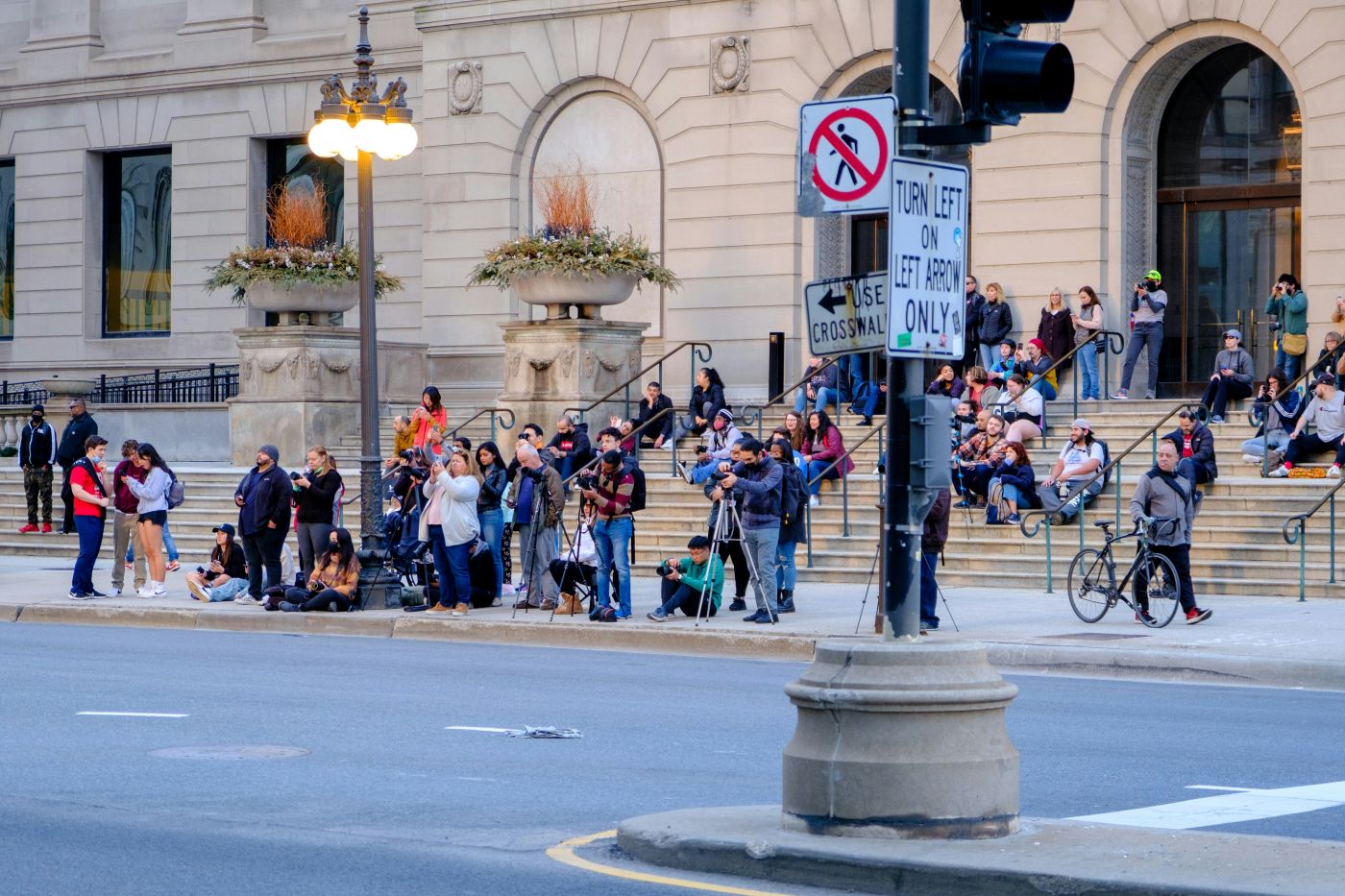
For those of you who don’t know, some people call themselves First Amendment auditors, and they hang out in public places. Here’s the deal with these folks. First Amendment auditors are content creators and activists who film public spaces, government buildings, and law enforcement officers to “stress test” constitutional rights and public officials’ compliance with the law. While proponents view them as transparency advocates, critics argue their confrontational tactics amount to harassment.
So, for those doing their daily errands — and one of those is to go to the Post Office — and you see a group of people with cameras, this is for you. They have the right to film you, and that’s what they’re doing: making sure that if you want to film or protest, these First Amendment rights protectors are there to keep the law straight, so they say.
Advice for those encountering these people
DO NOT ENGAGE!!! They will not answer your questions; they will use tactics to upset you, then put that content online, and there is nothing you can do about it. If you think to yourself, “I don’t want to be filmed,” then it is only logical that you don’t stop and talk to them, and you don’t approach them to tell them you don’t want to be on camera. I say this for two reasons. First, if you don’t want to be on camera, then don’t walk directly at the guys with the cameras. Second, they want you to walk toward them. That way they can upset you and get better content. If you don’t want to be filmed, then don’t get in their cameras. If you approach one of these people, then you WILL be on camera, and YOU WILL show up online in some “Karen” video.
Now, it would be nice if we could just say, “Oh, these people are doing good for the community and making sure everyone’s First Amendment rights aren’t being violated.” But the reality is that’s just not true. These auditors don’t care about you or your rights; they want content for their fifteen minutes of fame.
How can you say that, Paul, you may ask? Or say, “I’m one of those guys, and I’m out there to safeguard the amendment; I’m doing good work.” Okay, well, I can say that for a few reasons. First, if you care about people’s rights and you’re educating them on that right, tell them when someone approaches you and asks what you’re doing. Say: “I’m making sure that our First Amendment rights are not violated.” If they want more information, then educate them on the law. Keep a copy of the law on hand so you can show them that your filming is protected under the First Amendment. That way, they get their questions answered and learn something. That’s it, simple. But you don’t want it simple, do you? You want conflict, rage, confusion. You want to take people in a vulnerable state, being filmed while they’re just trying to live their lives, and get an emotional rise out of them so you can have content. Even better, you want to get someone really riled up so that you can use your pepper spray on them, because you’re bullies.
Be honest with yourself. If you aren’t trying to incite rage and get content, why have I seen this in videos so often: A First Amendment auditor is filming everyone coming and going from a church or a shop. One person approaches and asks what they’re doing and why they are filming. You, as an auditor, if you’re really educating and guarding the First Amendment, you’ll just tell them. However, what I hear is: “I’m just filming people, their faces, their license plates, that kind of thing.”
Honestly, that’s just rage baiting. Why say you’re filming people’s faces and getting their license plates? Those words are chosen specifically to keep the person questioning you afraid, nervous, and wondering what is happening: why is some total stranger filming my license plate? Why? What did I do? What is going to happen to me?
You’re not educating or protecting the public; you’re causing fear and confusion; you’re being cruel to your fellow man by filling them with anxiety. Audit the First Amendment; that’s great, but hurting people emotionally and sometimes physically is not necessary, and it’s not protecting the public at all; it’s terrifying them and hurting them.
Yes, you can film in public. Yes, that’s your right. But think about and have a care for those you’re filming, and make sure they’re safe and not being subsumed under a mound of fear and anxiety. What’s upsetting is you’re using the Constitution to hurt people and hiding behind it when someone confronts you and just wants information. Think beyond your likes and comments. Think about the people around you.
Don’t Threaten, Do
Here’s another little tip. If you’re in a situation where you’ve been legally wronged, someone has put their hands on you, caused you harm, or their behavior is terrifying you, call the police. Just grab your phone and call the police. Get them on scene and get them involved right away. This will reduce your risk of injury and emotional distress. And you’ll spend less time on camera.
What you don’t want to do is threaten. You keep saying, “I’m calling the cops, I’m calling them right now,” but you don’t; that’s just an idle threat, and it just prolongs your situation. So often I see someone being harassed or wronged in these videos, and they keep saying, “I’m gonna call the cops,” but they don’t. That really takes the wind out of your argument and makes you weak. Don’t even announce it; just grab your phone and calmly, clearly call the police and let them deal with the situation.
Also, if you’re wronged and you need the police, you have a phone in your hand. Unfortunately, you’re opting to use the phone as a camera, and you cannot seem to call the police and film, so you start yelling for those around you to call 911. If I’m seeing this, it makes no sense. Why is this person asking us to call 911 when they seem to be filming and following the person who has wronged them? The bystanders probably don’t kow what’s going on, and they most likely just don’t want to be involved. Handle your situation. Don’t film to get content while calling for others to get involved. You need the police; you’re capable of calling them because you’re filming, so you are able to use the phone. So use it. Don’t put your problem at the feet of others. They don’t know what’s going on and most likely just want to live their lives. If you need the police, call them; don’t threaten, do.
I Know My Rights
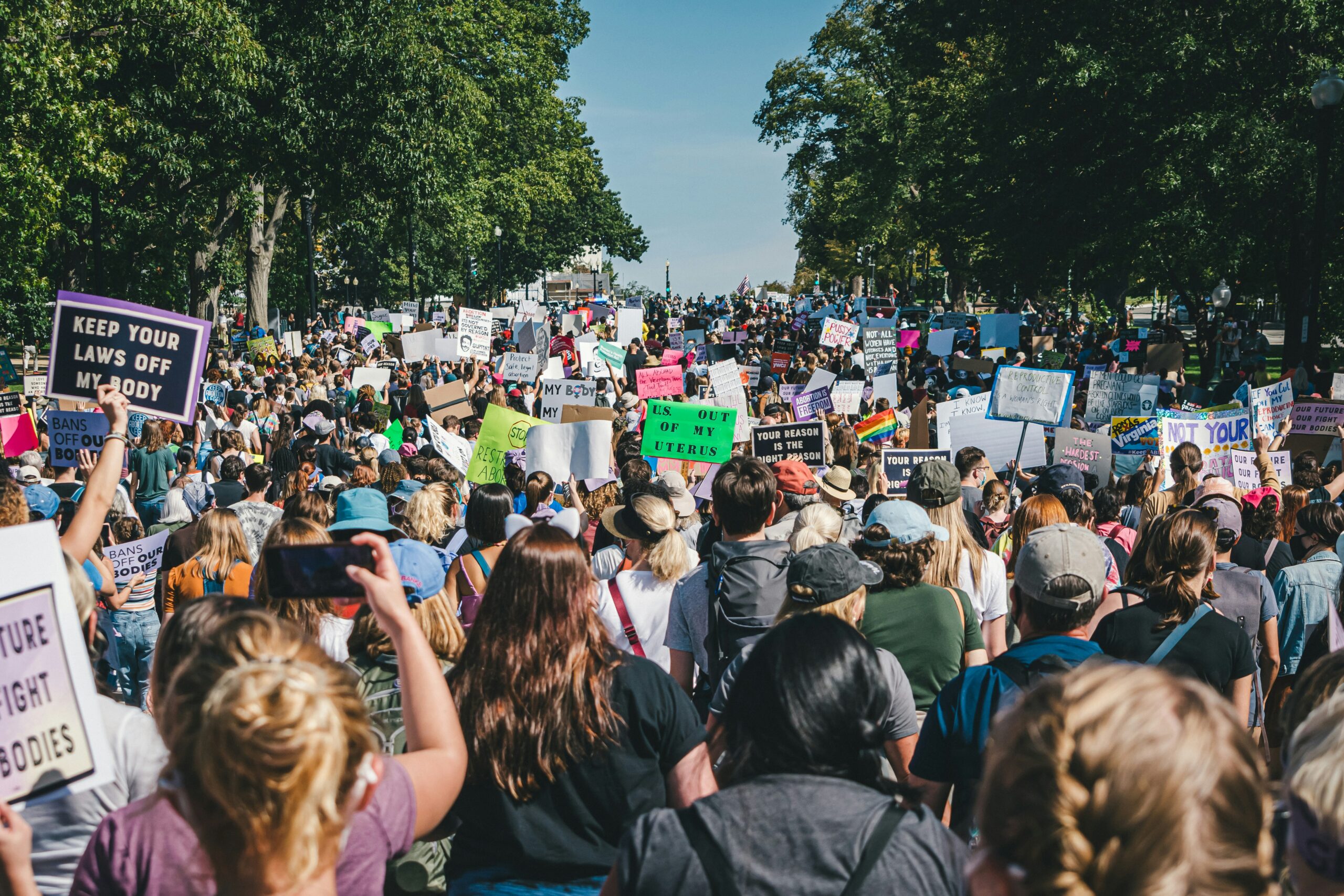
Do you? Because the way you’re acting tells me that you don’t. Know your rights; that’s important. If a cop pulls you over and it feels janky, you need to know all your rights in that situation. Do you need to show ID? Do you need to let them check your bag? Are you allowed to say no to roadside sobriety tests, and if you do, what are your rights?
Knowledge is power, and it will help you if a rogue cop is pulling some racist crap or they’re on a power trip. If you know the actual law and can cite it, then you’ll be in a better place. But shouting, “I know my rights, and you can’t do that to me cause of my rights,” without knowing them, will make things worse for you. And the police will relish the fact that you’re citing laws that don’t exist.
If you’re going to base your argument on your rights, then know them and don’t trust a cop to be upfront with you; they have a job, and they have pressures, and they are not going to help you, so you must help yourself. If you say, “I know my rights,” make sure you get them right.
Don’t Touch Me
I hear this often in videos. Someone has been caught shoplifting, and the cops grab them, and they try to pull away, and they claim, “You can’t touch me. Why’re you touching me? It’s against the law. You can’t be touching me.” Wrong again.
The reality is that yes, a police officer can legally touch or grab you if they suspect or know you have committed a crime. The idea that police are not allowed to touch you is a myth. Officers have the legal authority to use physical contact, detain you, and use reasonable force under specific circumstances.
So, if you get caught shoplifting and you have zero shame and you just start verbally attacking the police, understand that you’ve committed a crime, you’re a criminal, and in that case, your rights are pretty limited. However, the police have every right to put their hands on you to arrest you. That includes holding you so you don’t run, putting cuffs on you, and putting you on the ground if you resist.
On a personal note, I am shocked by how many people fill a shopping cart and try to walk out of a store without paying. What’s worse is when they are caught, they act like it’s their right to steal. It’s not; thievery is always wrong. And it’s not a victimless crime either.
Just to reiterate:
When Police Can Touch You
-
During a Stop: If an officer has a reasonable belief that you are involved in a crime, they can briefly stop you and do a quick pat-down of your outer clothing (a frisk) to check for weapons.
During an Arrest: If they have probable cause to believe you committed a crime, they can physically place you under arrest, put you in handcuffs, and search your person.
For Safety or Compliance: Officers can use physical touch to guide you, block your path, protect public safety, or force compliance with a lawful order.
Limits on Police Touch
- Excessive Force: Officers cannot use more force than is reasonably necessary for the situation.
Intrusive Searches: A basic pat-down is limited to outer clothing unless the officer feels an item that is obviously a weapon or contraband.
Nonconsensual Misconduct: Officers are strictly barred from using their position for unwanted, gratuitous, or sexual contact.
Again, know your rights and their limits; this keeps everyone safe and prevents additional charges.

You’re Fired
There have been situations where someone has been caught on video doing bad things, making racist comments, and being just awful. The Internet Detectives have found those people, and they have been fired from their jobs. That happens, and oftentimes — yay — get that racist off the streets and teach them a lesson. All good there.
What’s not all good is telling people just doing their jobs, like fast food or convenience store workers, that you’re fired, or that you’re gonna lose your job; I hope you know that you’re going to get fired. Most of the time, these threats are a response to someone calling them out on their crap — not letting them steal, or dealing with bad behavior. Then the “you’re gonna lose your job” threat comes out. And we all know it’s not true.
First off, you need a lot of supporting evidence to get someone fired, and most employers aren’t going to go through the trouble of training someone and losing time and money to do that just because you were stopped from leaving the store with stolen items. It’s an empty threat; it’s going nowhere, and it makes you sound like a jerk. Don’t casually threaten someone’s livelihood; it’s just wrong.
And finally for this blog…
Trashing the Place
It sure is good content, but why? What is the need to destroy a fast food joint because you didn’t get an item in your bag or you had to wait a few extra minutes to get your food? I want to understand what throwing things at workers and destroying the shop gets you. 98% of the time, those people get caught, and they go to jail. Is not getting your chicken nuggets worth going to jail for?
On the same subject, if you trash a Burger King and stand there proclaiming the workers are “poor” and “they mad because they work here,” and you feel throwing things or going behind the counter to grab food is appropriate, then own it. Cause that doesn’t happen. What I see time and again is someone trashes the place, all hell breaks loose, and the cops grab the person who started the mayhem, and the first thing they say to the cops is: “I didn’t do anything.” You were so brave and self-righteous while you were throwing Big Macs, but once the cuffs go on, you’re the victim. Do the deed and own it, or better still, don’t do it at all.
Destroying a Popeyes Chicken joint looks great, I suppose, but it causes problems for regular ham and eggers who are just trying to get some fucking chicken. So, is it worth it?
The Takeaway
Maybe that’s really what this whole rant is about. We’ve gotten very good at talking about our rights and not nearly as good at talking about our responsibilities to one another.
Yes, you have rights. Know them. Understand them. Use them when you need them. But having a right doesn’t mean you have to exercise it in the most obnoxious, cruel, or destructive way possible. Being legally allowed to film someone doesn’t mean you need to humiliate them.
I recently saw a video shot by an auditor who was approached by an elderly lady; she wanted to know what was going on. The auditor just snapped his fingers at her and gave her a move-along gesture while continuing to shush her. It was mean. That’s all, just mean, and it didn’t do anything to inform or educate. The poor woman, who was raised to be respectful, was shocked and got quite upset. The auditor kept snapping, shushing, and gesturing for her to move on. Why?
Being angry at a store employee doesn’t give you the right to threaten their livelihood. Being frustrated about your food doesn’t mean you get to destroy a restaurant.
And if a camera comes out, maybe that’s the moment to remember that whatever you do next may live a lot longer than the argument you’re having.
You don’t need to win every confrontation. You don’t need the last word. You don’t need to become somebody else’s content.
Know your rights. Know their limits. And for God’s sake, be human, think beyond your desire for content, and try not to be an asshole.