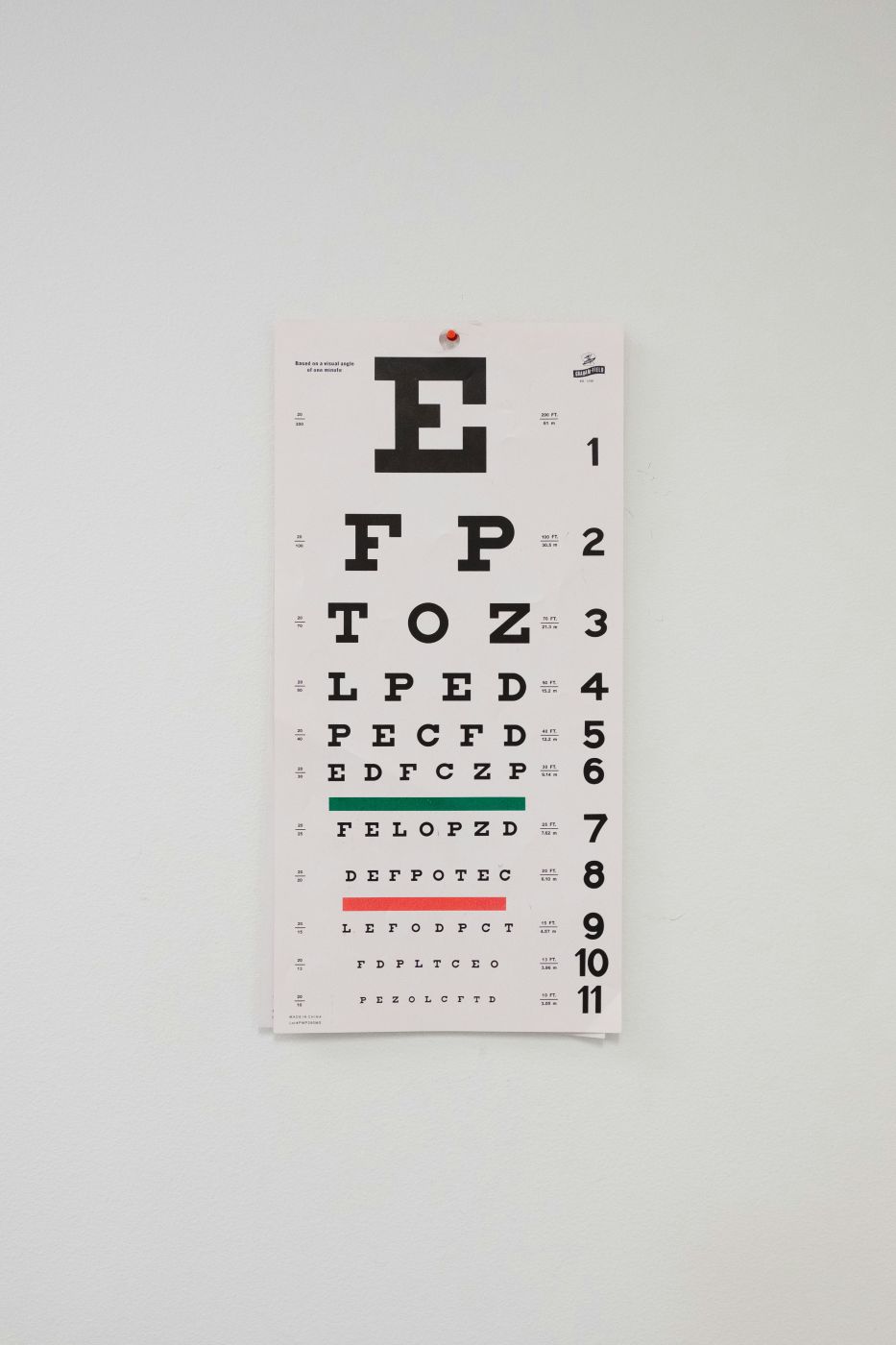
We need a frame before we know what something means. That becomes a problem when a company doesn’t fit neatly into the categories people already know. When that happens, the market usually does one of two things. It either forces you into the closest existing box or gives up on understanding you altogether.
Sometimes you explain too much. And sometimes you explain too little. Depending on the situation, either choice can go badly.
An example of bad: I was riding through Georgia late one evening with my friend Mike. We were going way over the speed limit. The road was empty, the night was clear, and then suddenly there was a state trooper on a motorcycle behind us. We pulled over.
Now, it’s fair to say Mike is a bit of a loose cannon, so I gave him some advice.
“Don’t say too much. Be polite. We’re Yankees in the Deep South. We’re already starting from behind. Keep it simple, and maybe we get a warning.”
Mike nodded. “Okay. Keep it simple. We’re in Georgia. We’ll be fine.”
All was well until the trooper stepped up to the driver’s side window and said, “Nobody goes through my county that fast.”
Without missing a beat, Mike said, “Sherman did.”
The trooper looked at him and said, “Are you some kind of an asshole?”
And Mike, again without pause, said, “I don’t know. What kinds are there?”
He had kept it simple. We spent the night in jail.
At the time, I didn’t think of this as a lesson in brand strategy. I thought of it as a lesson in how quickly a bad answer can define you. That’s the part brands run into all the time.
The market is always trying to figure out what to do with you. If you make that easy in the wrong way, people drop you into the nearest available category and move on. If you make it too hard, they stop trying altogether. Either way, you lose control of the frame.
That’s what a category problem looks like.
People don’t buy what they can’t place
Most people don’t spend much time trying to understand a company. They make a quick judgment, file it somewhere in their head, and keep moving. That’s not laziness. That’s just how people work.
We’re all sorting constantly. Is this familiar or new? Expensive or accessible? Serious or lightweight? Software or service? Consultant or platform? We do it with restaurants, movies, neighborhoods, people, and brands. We need a frame before we know what something means. That becomes a problem when a company doesn’t fit neatly into the categories people already know. When that happens, the market usually does one of two things. It either forces you into the closest existing box or gives up on understanding you altogether. Neither outcome is great.
If people force you into the wrong box, they compare you to the wrong competitors, expect the wrong things, and miss the part that actually makes you valuable. If they give up altogether, you become that company people vaguely remember hearing about but can’t quite explain, which is another way of disappearing.
This is why category creation matters more than many brands realize. It’s not about inventing jargon or slapping a grand new label on the side of the business. It’s about helping people understand what kind of thing they’re looking at, why it matters, and why the old categories aren’t enough. Because the truth is, once the market decides what you are, it becomes very hard to argue your way out of it.
The companies that win don’t just describe themselves well. They make themselves easy to place in a way that changes how people see the whole field.

Category creation is not a naming exercise
This is where people get category creation wrong. They treat it like a language problem, a naming workshop, a hunt for the perfect phrase that will suddenly make the market see them differently. That’s usually how you end up with inflated labels nobody remembers and positioning nobody believes.
Real category creation goes deeper than that. It’s not about coming up with a clever new term and hoping people salute. It’s about giving the market a better way to understand what’s changed, why the old frame no longer works, and why a new one is needed.
That matters because people don’t adopt a category just because a company invents one. They adopt it when it helps them make sense of something they were already struggling to name. The category works when it clarifies reality. If it feels cosmetic, self-serving, or forced, people can smell that immediately.
So the real question isn’t just what you should call yourself. It’s what shift you’re helping people see. What’s different now that makes the old categories feel incomplete? What are customers dealing with that the current language no longer explains very well? What new tension has appeared in the market that deserves a clearer frame?
That’s the real work. The name may matter in the end, but it comes later. First, you have to earn the frame. Category creation is not about dressing yourself up in bigger words. It’s about helping people understand why your company belongs in a different conversation altogether.
A category has to be built before it can be claimed
This is the part companies often underestimate. You do not create a category by declaring one. You create it by building a story people can actually follow.
That story has to do a few things at once. It has to name the shift, explain why the old way of thinking no longer fits, and make your approach feel like the logical response to the changes. If any part of that is missing, the category starts to wobble. It may sound interesting in a deck, but it won’t hold up in the market.
That’s because categories do not live in branding language alone. They live in the way a company presents its value, frames its competitors, describes the problem, and teaches buyers what to notice. They have to show up across the whole experience. In the sales story, the website copy, the pitch, and the product language. In the way leadership talks about the business. Everywhere.
If those pieces don’t line up, the market defaults back to the nearest familiar label. That’s what markets do. They simplify, compress, and reach for what they already know.
Which is why category creation takes more than a smart line and a little confidence. It takes discipline. It takes consistency. And it takes a clear strategic point of view strong enough to hold the whole thing together.
This is where ThoughtLab can be especially useful. Not because category creation is some magical service line, but because the work sits at the intersection of strategy, language, design, and market understanding. You aren’t just trying to name a thing. You’re trying to shape how people see it, and that takes more than a brainstorm. It takes a system people can recognize, remember, and repeat.
That’s when a category starts to become real. Not when you announce it, but when the market begins to understand you through the frame you built.

The hardest part is not invention. It’s conviction.
A lot of companies assume category creation begins with originality. They think the challenge is to come up with something nobody has said before. Something new enough to stand apart and polished enough to impress a room. But that’s usually not the hardest part.
The hardest part is conviction. It’s having the discipline to stop borrowing everyone else’s language, stop softening your point of view, and stop explaining yourself through frames that were built for different kinds of companies. That takes nerve, because the old categories feel safer. They’re familiar. They’re legible. They give people something to grab onto, even when they don’t really fit.
That’s why so many businesses stay half inside the old story. They say they’re different, but only after first comparing themselves to what already exists. They gesture toward a new lane, then retreat back into familiar language before the market has a chance to see the shift.
But category creation asks for more than that. It asks a company to stand still long enough to say, " No, that’s not actually what we are. This is. This is the problem we solve. This is the change we see. This is the space that needs to exist.”
And once you make that move, you have to keep making it. Again and again. In public. With clarity. With consistency. Long enough for other people to start using that frame, too.
That’s what makes category creation uncomfortable for many leadership teams. It’s not just a messaging exercise. It’s a commitment. The moment you try to define a category, you’re also choosing what not to be, which means letting go of language that may have felt safer, broader, or easier in the short term.
Still, that’s the trade. If you want the market to understand you differently, you have to be willing to describe yourself differently before the market is ready to help.
ThoughtLab helps companies build the frame, not just the language
This is where the work gets real, because category creation is not just about what you say. It’s about what people understand, what they remember, and what they repeat after they leave the room. That takes more than a sharp line. It takes alignment between strategy, message, and market context.
That’s where ThoughtLab comes in.
The real value in category creation is not sitting in a workshop until someone lands on a phrase that sounds expensive. It’s doing the hard work of understanding what shift is actually happening, what outdated assumptions still shape the market, and what story needs to be built for people to see your company in a new way.
That kind of work asks for a mix of things that don’t always live in the same place. Strategic clarity. Verbal precision. Audience understanding. Design sense. The ability to see where a market is stuck and where a company has permission to open up a new lane. In other words, it takes more than messaging. It takes judgment.
ThoughtLab is well-suited to that because category creation sits right in the middle of what strong brand work is supposed to do. It should not just make a company sound better. It should make a company easier to understand, easier to remember, and harder to misclassify. It should help businesses stop explaining themselves through borrowed comparisons and start defining the terms of the conversation for themselves.
That matters more now because markets are crowded with companies that are technically different but verbally identical. Everyone sounds like a platform. Everyone claims transformation. Everyone says they are reimagining something. And when language gets flattened like that, real distinction gets buried with it.
Category creation, done well, cuts through that. It gives a company a clearer frame and the market a more useful way to understand what that company is actually bringing to the world. That’s not cosmetic. That’s strategic. And when it’s done right, it changes how people see the business long before it changes how they describe it.
The Takeaway
If the only way to explain your company is by saying, “We’re like…” then the market is already doing too much work, and probably doing it badly.
That’s the danger. People will still place you somewhere. They’ll compare you to the nearest familiar thing, borrow the wrong assumptions, and miss the part that actually makes you different. And once that happens, you’re no longer competing on your own terms. You’re competing inside a frame that was never built for you in the first place.
That’s why category creation matters. Not because every company needs a flashy new label, but because some businesses are genuinely doing something the old language cannot hold. When that happens, the job is not to decorate the difference. It’s to define it clearly enough that the market can see it, understand it, and remember it.
That takes more than naming. It takes strategy, conviction, and a story strong enough to change how people make sense of what you are.
And that’s the real opportunity. The companies that shape categories do not just describe themselves better. They make it easier for the market to understand why a different category needs to exist in the first place.
That’s the kind of work ThoughtLab helps bring into focus. Not just sharper words, but a sharper frame. The kind that helps companies stop borrowing someone else’s language and start owning the conversation themselves.