
What a pizza shop with one delivery driver can teach any business about dependency, customer trust, and the promises a brand can actually keep
At the end of my first year in grad school, my roommates and I celebrated that none of us had been cut from the program. This seemed like an occasion worthy of liquor, pot, and the sort of questionable judgment that comes naturally to young creative people who have temporarily escaped academic execution.
Eventually, as often happens when creative people gather in a room and alter their consciousness with potent chemicals and liquids, one special question arose: “Should we order a pizza?” This prompted the usual negotiations. Should we? Would everybody eat some if we did? What should we get on it? Would two be enough? Did anybody have any money? These were important questions, and they required careful deliberation from people who were becoming increasingly unqualified to deliberate about anything.
At last we settled on our order, pooled our bills and loose change, and made the call. There was only one pizza shop in town. Well, one that served anything remotely resembling edible pizza. The others offered vague simulacra of what pizza was supposed to be, like menu photos that had never quite grown up to become actual food. This place, however, made good pizza and offered free, fast delivery. It was practically a public service, particularly in a college town on a Friday night.
That’s when we received the devastating news. They couldn’t deliver because the guy with the car was home sick. That was it. No delivery tonight because the guy with the car, the one responsible for transporting every pizza from the restaurant to the hungry population of our little college town, was home in bed with something.
We were astonished. How was this possible? This was a professional pizza shop offering free, fast delivery, and something like 80 percent of its business depended on one guy with a car. One guy! What if he got sick? Well, now we knew. What if his car broke down? What if he met a nice girl and decided he’d rather spend Friday night with her than drive around town delivering pepperoni and mushrooms to people who could barely remember their own addresses? Nobody, it seemed, had considered these possibilities.
So we grumbled and groused, marveling at the shortsightedness of a business that had built a significant portion of its operation around the continued good health and mechanical reliability of one human being. Friday night, college town, a restaurant full of pizza, and none of it was going anywhere. The pizza shop couldn’t deliver, figuratively or literally.
The thing is, the problem wasn’t the guy with the car. He was sick. People get sick. Cars break down. Life happens, often at the least convenient moment and occasionally when you’re desperately hungry. The problem was that an entire business was built on the assumption that none of those things would ever happen.
One Guy, One Car, and Most of the Internet
It’s been a good many years since that unfortunate Friday night, and technology has advanced in ways that would have seemed unimaginable to a roomful of graduate students trying to get a pizza delivered. We can order dinner without speaking to another human being, track its progress across town, and receive a photograph of it sitting on our doorstep. We can even complain about the delivery before we’ve opened the box. Along with all that technology, we’ve invented the preemptive complaint. How glorious for us.
And yet, for all our technological sophistication, we’ve managed to recreate the guy with the car on a global scale.
Over the past several months, a string of serious security vulnerabilities has been reported in PHP, the programming language that powers a huge portion of the internet. These flaws raised the possibility that attackers could exploit weaknesses in technology used by countless websites. Suddenly, a problem buried deep in the machinery of the digital world had the potential to become everybody’s problem, including businesses that had never heard of PHP and wouldn’t know what to do with it if somebody handed them a box full of the stuff.
Think about that for a moment. Companies spend fortunes developing websites, refining customer experiences, and building digital platforms intended to make doing business easier. They hire designers, developers, and consultants to create systems that are faster, smarter, and more efficient. Somewhere underneath all that impressive technology, however, are dependencies that most of the people making the promises couldn’t pick out of a lineup.
None of this means PHP is inherently unreliable, or that businesses are foolish for using technology shared by millions of others. That’s how much of the internet works, and for good reason. The problem arises when we become so comfortable with the systems supporting our businesses that we stop considering what happens when those systems suddenly go down.
Our pizza shop had one guy with a car. Modern businesses rely on servers, software, and interconnected services that are every bit as essential to operations, even if they’re much harder to explain to a hungry graduate student. And when something goes wrong, the question is the same one we asked that night: How is it possible that nobody thought about what would happen if this stopped working?
The Convenience of Not Thinking About It
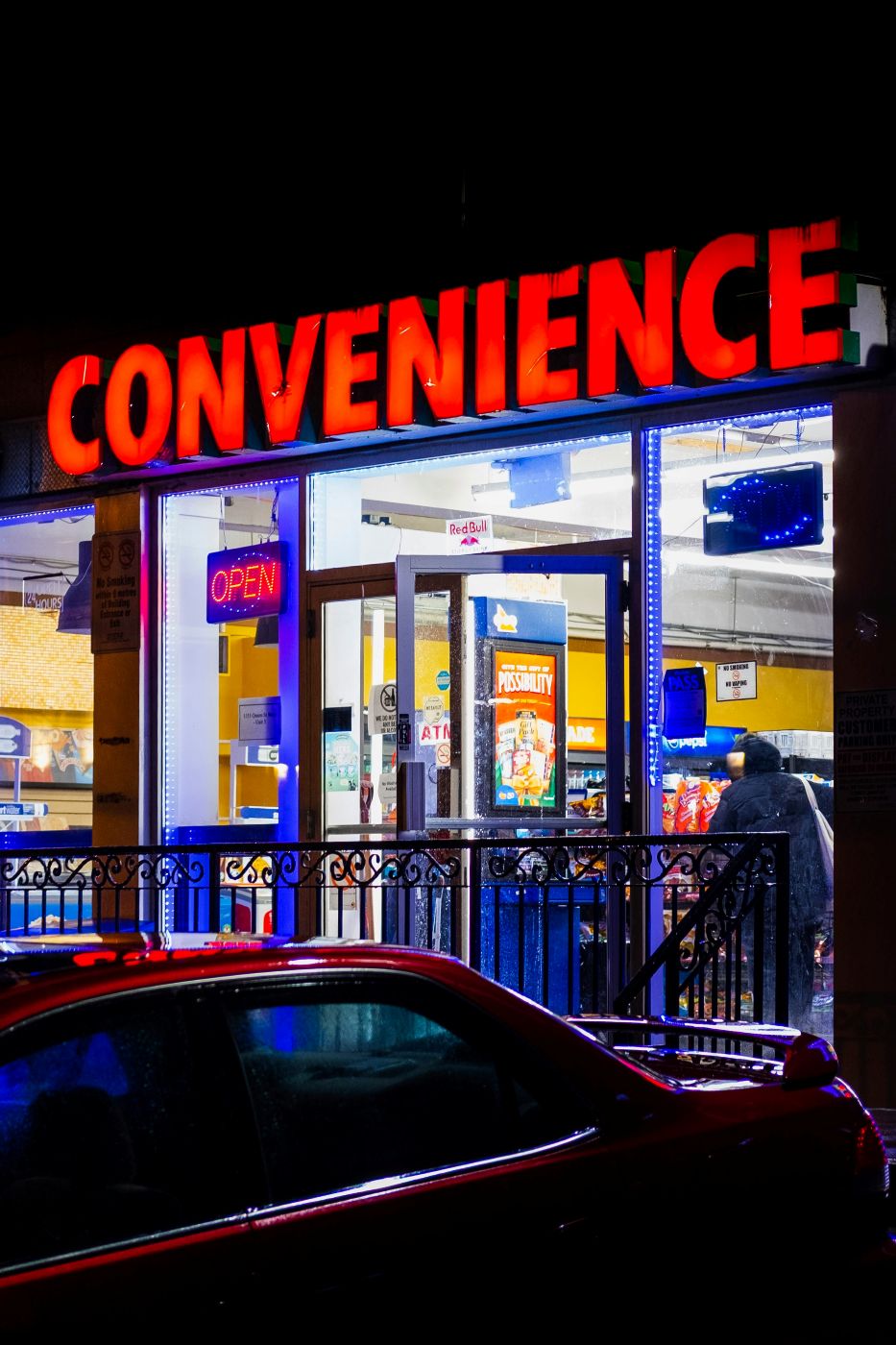
Convenience is wonderfully seductive. We love anything that makes our lives easier, especially if it eliminates a task we never much enjoyed doing in the first place. I haven’t balanced a checkbook in years, and I suspect there are people walking around today who have never actually seen one. My bank knows how much money I have, my phone tells me when I’ve spent too much of it, and somewhere in the electronic ether, a collection of numbers is keeping track of whether I can afford lunch. It’s a marvelous arrangement, provided those numbers keep behaving themselves.
Businesses operate much the same way. We find a system that works, discover it can do the work of several people, and congratulate ourselves on our ingenuity. Why maintain three separate processes when one integrated platform can handle everything? Why pay for redundancy when the existing system has performed flawlessly for years? These are perfectly reasonable questions, right up until the moment they aren’t.
That’s where convenience quietly becomes dependency. The more we consolidate, automate, and integrate, the more comfortable we become with the idea that everything will continue functioning exactly as it does today. Eventually, we stop thinking about the systems themselves and simply assume they’ll be there. They’re like the plumbing in our homes. We don’t spend our mornings contemplating the vast network of pipes that makes indoor toilets possible. We flush, wash our hands, and get on with our day. Then one morning something backs up, and suddenly we’re standing ankle-deep in a problem we haven’t given a moment’s thought to since moving in.
To be clear, I’m not suggesting that every business needs three backup systems, an emergency generator, and a small army of engineers living in the basement eating canned beans and waiting for civilization to collapse. That would be ridiculous, though I suspect the engineers might enjoy it. I’m suggesting there’s a difference between making a business efficient and making it entirely dependent on a single point of failure. Efficiency eliminates unnecessary complications. Dependency can eliminate your options.
Here’s the interesting part. The people making these decisions aren’t necessarily careless or incompetent. In many cases, they’re doing precisely what they’ve been encouraged to do: reduce costs, streamline operations, improve productivity, and eliminate anything that appears redundant. Nobody gets called into the boardroom and congratulated for spending money on a backup system they never had to use. The applause generally goes to the person who figured out how to save that money in the first place.
But the savings look far less impressive when the system goes down, customers start calling, and someone has to explain why a business that prides itself on being available, accessible, and dependable has suddenly become none of those things.
Which brings us to something I’ve always found fascinating about business: we spend an extraordinary amount of time deciding what we’re going to promise our customers and very little time considering what happens when we can’t keep that promise.
And that, whether we’re talking about pizza delivery or the infrastructure supporting a global business, is where an operational problem begins turning into a branding problem.
Your Customers Don’t Care Why
I suspect the fellow answering the phone at our pizza shop thought he had offered us a perfectly reasonable explanation. The delivery driver was sick, he had the only car, and there was little anyone could do about it. From his perspective, the situation was unfortunate but understandable. From ours, we were hungry, we wanted pizza, and the establishment that had promised to bring it to us had neglected to consider that its delivery driver was mortal.
That’s the peculiar thing about customers. They tend to judge a business by what it promises them rather than by the complicated circumstances that keep it from keeping those promises. They’re not especially interested in your staffing problems, your software vulnerabilities, or the fact that some obscure piece of technology halfway around the world has decided to stop cooperating. They have their own problems, thank you very much, and they came to you because you promised to solve one of them.
I don’t mean that customers are heartless creatures who expect businesses to function perfectly under every imaginable circumstance. Most people understand that things go wrong. Flights get delayed, packages get lost, and occasionally the person responsible for bringing dinner to your door develops a fever. What customers have far less patience for is discovering that the company they’ve trusted has no idea what to do when something entirely predictable happens.
There’s an important distinction here, and it has everything to do with branding. A brand isn’t simply the collection of promises a company makes in its advertising. It’s the accumulation of experiences that teaches customers whether those promises mean anything. Every interaction adds to that understanding, and while a thousand successful transactions may build a reputation for reliability, one spectacular failure can raise a question that wasn’t there before.
Consider what happens when a company’s website goes down. The marketing department may have spent months developing messaging around convenience, accessibility, and exceptional customer service. The website may be beautifully designed, the copy carefully crafted, and the user experience polished to within an inch of its life. But if a customer arrives ready to buy and finds a page that won’t load, all that thoughtful branding is temporarily reduced to a spinning circle and a vague suggestion to try again later.
And what does the customer do? Perhaps they wait. Maybe they come back tomorrow, especially if they have a strong relationship with the company. But if the brand hasn’t given them a compelling reason to stay loyal, they’re very likely to wander off to a competitor whose little spinning circle isn’t spinning quite so enthusiastically.
This is why I think businesses sometimes misunderstand the relationship between operations and branding. They treat them as separate concerns, as though the people responsible for developing the brand promise have little reason to care about the machinery required to fulfill it. Operations belong to someone down the hall, perhaps someone who wears sensible shoes and understands spreadsheets. Branding belongs to the creative people who make things look and sound wonderful and wear sandals in the snow. Everybody attends their respective meetings, accomplishes their respective objectives, and goes home feeling reasonably productive.
Unfortunately, customers don’t experience businesses department by department. They experience the whole thing, often in seconds, and they don’t much care which department gets the blame when something goes wrong. To them, the company is the company. The promise is the promise. And when the experience doesn’t match expectations, no amount of explaining the organizational chart will make that disappointment disappear.
Our pizza shop might have had the best pizza in town, and for all I know, it did. But on that particular Friday night, its brand wasn’t defined by the quality of its crust, the freshness of its ingredients, or the cheerful little promise of free, fast delivery printed on the menu. It was defined by the fact that we couldn’t get a pizza.
And somewhere in that disappointment is a lesson worth considerably more than the price of a large pepperoni.
Depth-Before-Design, and Before Disaster
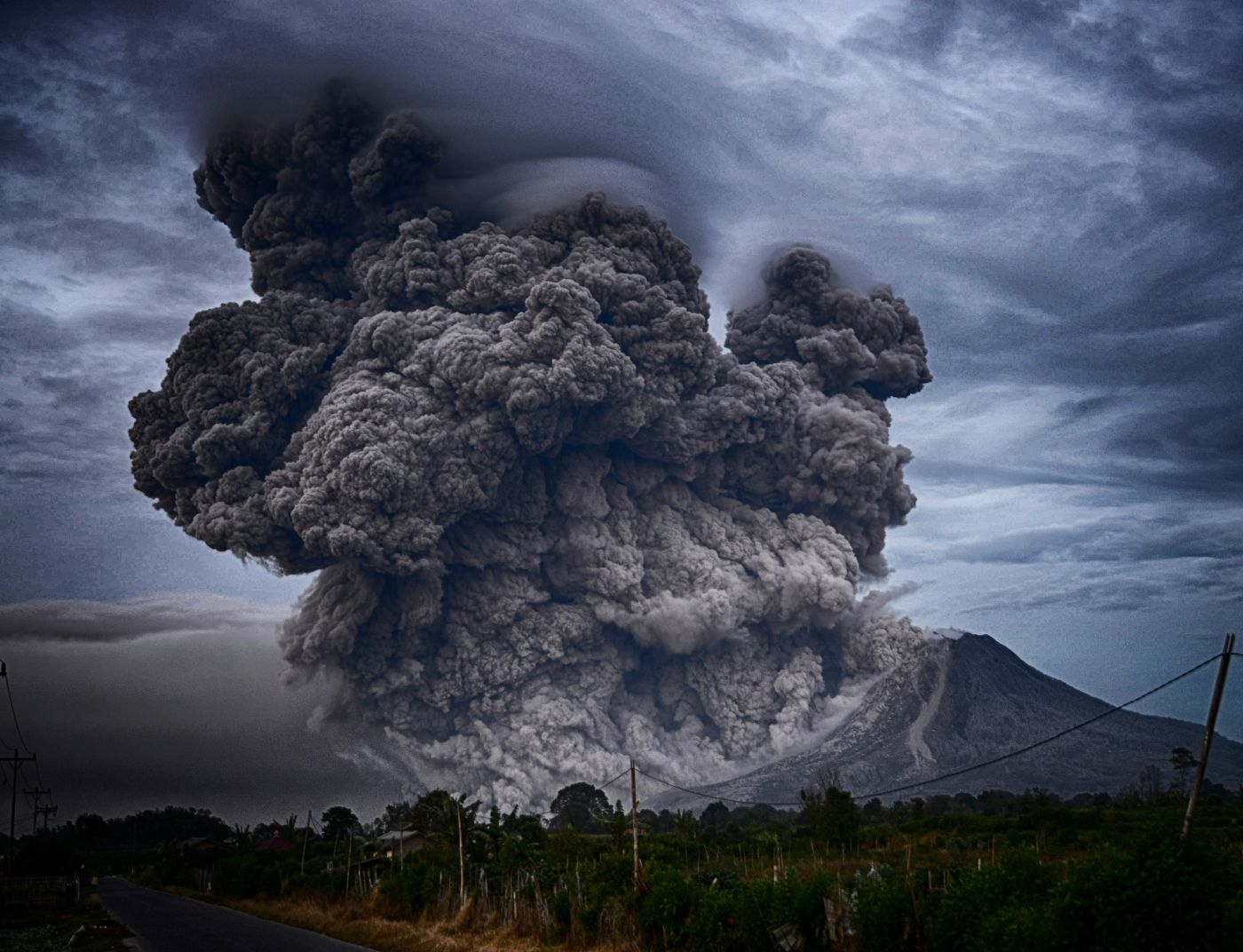
At ThoughtLab, we talk a great deal about Depth-Before-Design & Development. The short version is “prove before you build,” and it informs how we approach branding. It begins with the understanding that before you can tell the world who you are, you’d better have a pretty good idea yourself. That means looking beyond the obvious, asking uncomfortable questions, and occasionally discovering things about a business that nobody particularly wanted to know. It’s not always a pleasant process, but neither is discovering that the foundation of your house is made of damp cardboard after you’ve spent a fortune remodeling the kitchen.
When we work with a company to develop its brand, we’re interested in more than what it sells or how it wants to be perceived. We want to understand what makes it different, why customers should care, and whether its promises are supported by how it actually operates. That last part matters because there’s a world of difference between wanting to be known for something and being able to deliver it. I can announce to the world that I’m an exceptional ballet dancer, but the moment somebody hands me a pair of tights and asks for a demonstration, the credibility of that claim is going to suffer considerably. CONSIDERABLY.
This is where the idea of a category-of-one gets interesting. We often talk about differentiation in terms of what makes a business unique, and that’s certainly part of it. But uniqueness alone isn’t enough. You can have a distinctive personality, a remarkable visual identity, and a compelling story that separates you from every competitor in your industry. If the experience of doing business with you consistently contradicts that story, your differentiation is little more than an elaborate costume. It might look terrific under the lights, but eventually somebody’s going to ask you to dance.
Reliability, while hardly the sexiest word in the branding vocabulary, can be a surprisingly powerful differentiator, especially in industries where customers have become accustomed to disappointment. Think about the businesses you return to, the ones you recommend without hesitation, and the ones you’d be genuinely sorry to see disappear. Chances are, their appeal isn’t based entirely on clever advertising or an especially attractive logo. They’ve earned a place in your life because you trust them to do what they say they’re going to do.
None of this means a branding agency should be running cybersecurity audits or designing emergency backup systems. That’s not our expertise, and I wouldn’t recommend asking a roomful of creative directors to repair a compromised server unless you enjoy watching grown adults stare helplessly at blinking lights. Which, just FYI, I do enjoy. But we should absolutely ask whether a company’s desired identity reflects the experience it can realistically provide. If reliability is central to your brand promise, what makes you reliable? If convenience is your defining characteristic, what happens when convenience becomes inconvenient? And if your entire competitive advantage depends on a system that can disappear overnight, perhaps that’s something worth discussing before we start choosing typefaces.
The answers may not make for a thrilling presentation. There might not be a dazzling visual concept or a clever tagline waiting at the end of the conversation. What they can produce, however, is something far more valuable: an understanding of the business substantial enough to support a brand that actually means something.
Because Depth-Before-Design isn’t simply about digging around until we find an interesting story to tell. It’s about discovering a business’s truth, including the parts that need attention, and using that understanding to create something distinctive, credible, and sustainable. Sometimes the most valuable discovery isn’t a hidden strength or an untapped opportunity. Sometimes it’s realizing the guy with the car is the only guy with a car, and maybe someone ought to do something about it before Friday night rolls around again.
The Takeaway: Who’s Got the Car?
I don’t remember what we ate that Friday night. Given the amount of alcohol and pot involved, it’s entirely possible we made do with a box of stale crackers, some questionable cheese, and whatever else we could find lurking in the refrigerator. I do remember the pizza shop, though, and our astonishment that a business could make a promise to its customers without the slightest idea how to keep it if one perfectly ordinary thing went wrong.
That’s really what this comes down to. Technology will fail, people will get sick, and circumstances will occasionally conspire to make even the best-laid plans look like something assembled by a committee of drunken raccoons in stiletto heels. You can’t anticipate every disaster, and trying would be foolish. But you can understand what your business depends on, recognize where it’s vulnerable, and make reasonably intelligent decisions about how to protect the promises you’ve made.
At ThoughtLab, we believe a brand should be built on something more substantial than an attractive identity and a collection of ambitious claims. Depth-Before-Design means understanding the business well enough to know what makes it remarkable, what makes it trustworthy, and what might prevent it from being either. That’s how you begin creating a category-of-one: a business whose value isn’t simply advertised but consistently demonstrated.
When everything is working, almost anyone can promise exceptional service. The real test comes when something breaks, and your customers discover whether that promise was built on preparation or wishful thinking.
If your entire business depends on one guy with a car, you might want to check whether he’s feeling all right before you start advertising free, fast delivery.