I was watching where the sea lion was, and now was not when everything went quiet. Then, directly in front of me, not more than an arm’s length away, three humpback whales came to the surface. One followed the other in quick succession. They took a deep breath, hung at the surface for a moment, unafraid of the boats full of gawkers around them, and then slowly, oh so gracefully, they returned to the depths.
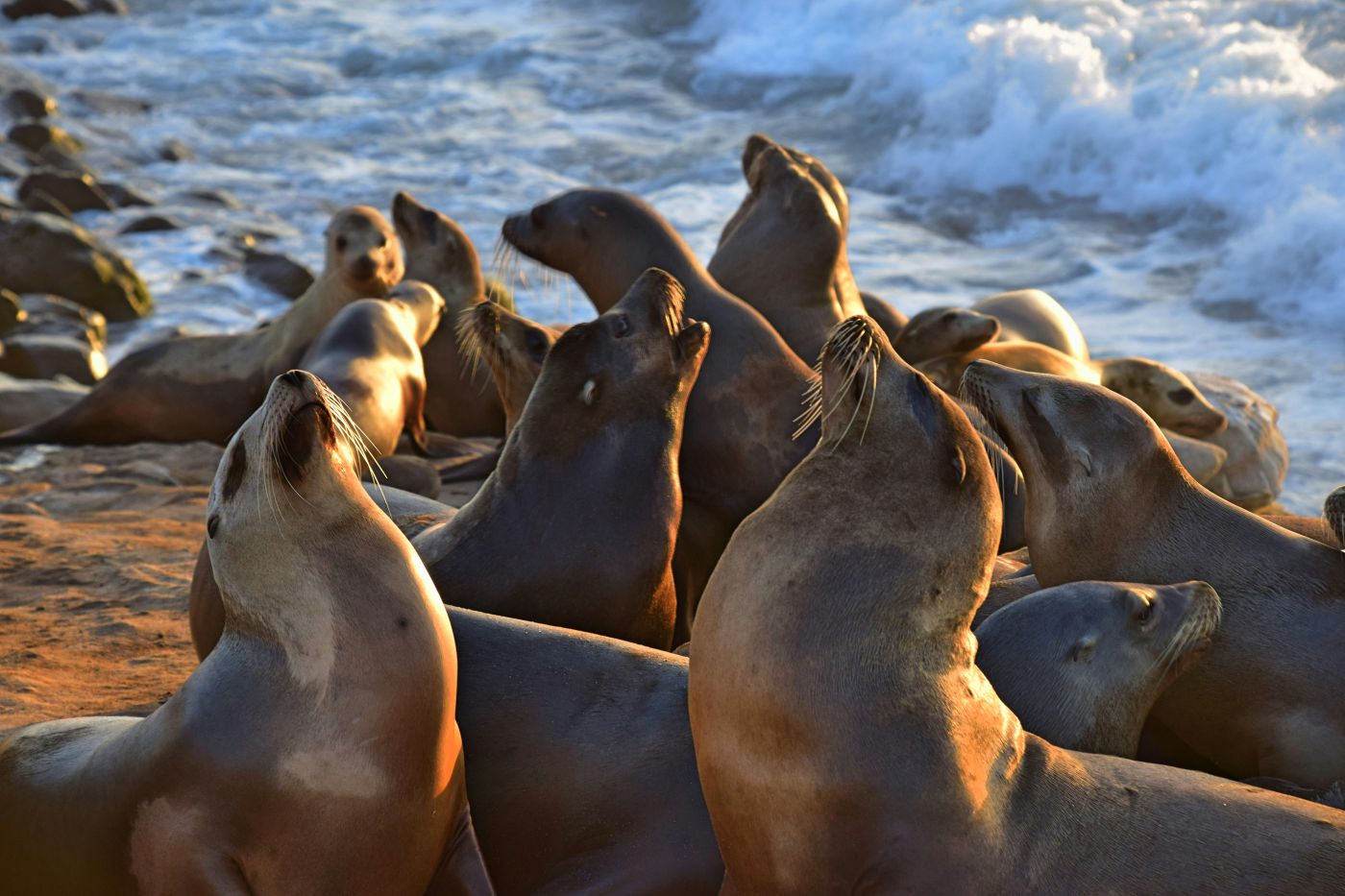
I found myself alone at the stern of a smallish whale-watching boat off the coast of Juneau. The captain had cut the engines and pointed to a patch of water where some “action” had been reported, and the rest of the passengers poured out of the cabin and crowded onto the bow. It was shoulder to shoulder up there, cameras and phones already raised, everyone trying to get a decent position at the rail. I took one look at the crowd and decided I didn’t feel like fighting for a place to stand, so I wandered to the stern, where a sea lion was swimming alongside the boat, minding its own business and doing sea lion stuff.
I was watching where the sea lion was, and now was not when everything went quiet. Then, directly in front of me, not more than an arm’s length away, three humpback whales came to the surface. One followed the other in quick succession. They took a deep breath, hung at the surface for a moment, unafraid of the boats full of gawkers around them, and then slowly, oh so gracefully, they returned to the depths. Their giant tails, each marked with distinctive patterns, were the last things I saw before these gentle giants slipped beneath the surface to continue feeding and living their giant lives.
I didn’t raise my camera or my phone in those moments. It wasn’t some noble decision on my part. I wasn’t making a stand against technology or choosing to be present in some wonderfully enlightened way. I simply forgot I had a phone. I didn’t need to prove to anyone that it happened, and I knew, even as it was happening, that this was one of those memories I’d never need a photograph to recall. It was intimate, moving, and awe-inspiring. After the whales had gone below, the captain was standing behind me, and he said, “Good for you, that was pretty damn amazing.”
A few moments later, the whales resurfaced several yards ahead of the boat, and the bow lookers were rewarded with tails and spouts and the photographs they’d been waiting for. I was still at the stern, trying to come to grips with the size and gentleness of these amazing creatures. It’s one thing to watch hundreds of nature documentaries and shows about the ocean and whales. It’s something else entirely to stand on a boat and have three of them surround you only a few feet away. No matter how many whales you see on screens and photos, even giant screens designed to make you feel as if you’re there, there’s absolutely nothing like being that close, hearing the sound as they take a breath, seeing their gigantic tails slip so effortlessly beneath the surface. You’re left stunned and humble.
After about half an hour, the captain called for us to get back into the cabin as he put the boat in gear and headed for another spot. When we reached it, we moved back outside, this time spreading out fore and aft, and there, about a hundred yards from the boat, we saw three huge black dorsal fins cutting through the water. We were looking at a pod of orcas, also known as killer whales, though that name suddenly felt a little dramatic once you were watching them just go about their day.
This pod, like the humpbacks we’d watched earlier, had a baby among them. When the adults surfaced to breathe, the baby popped up too, bouncing and splashing like a toddler. The adults were focused on feeding. The baby just wanted to play. And play he did, flipping over adults, jumping out of the water, and landing awkwardly on his side. One of the women on the boat said, “The baby is just like my Justin when he was a kid, always doing gymnastics in the house, bouncing off walls.” And he was. Except this little kid already weighed a ton.
The two naturalists on board, both in their late twenties, kept telling us this was the best whale watch they’d ever been on. In fact, they said they rarely saw orcas on a trip out. But there they were. One male’s dorsal fin seemed impossibly tall, straight and strong, unlike the collapsed and folded dorsal fins I’d seen on orcas in captivity at SeaWorld. We watched them move slowly along, unimpressed with the boats around them and the people hanging off those boats, all of us trying to get the best view of animals that didn’t seem to care whether we were there or not.
Between the three humpbacks that surrounded me at the stern and the pod of orcas moving so close to us, I felt tiny. But I also felt safe. The humpbacks had looked at me, or at least it felt that way. They saw I was just this puny human guy on a small, easily smashable boat, floating around in their territory, and they judged me okay. Not a threat. Maybe they had chartered a human watch the same way we had chartered a whale watch. Maybe some older female had told the others, in whatever language whales use, “Hey, I know a spot where humans congregate. Let’s go look at some. They’re hilariously small and weak.”
So there was a moment when the three giants surrounded me, and I had no idea whether I was the one watching or the one being watched.
Giants
I’ve watched nature documentaries for as long as I can remember. Like most people, I’ve seen whales on screens hundreds of times. I’ve watched them breach in slow motion, seen drone footage that shows their sheer size against the vastness of the ocean, and sat in front of giant cinema screens that promise to immerse you in the experience. They’re all remarkable, but they’re all missing something.
Scale is one of those things that’s almost impossible to appreciate until you’re standing beside it. You can know how big a humpback is. You can read the statistics, admire the photography, and marvel at the aerial footage, but none of it prepares you for hearing one take a breath just a few feet away, or watching something the size of a house move through the water with a grace that seems to defy its own mass. It’s one of those experiences that instantly remind you there’s a world beyond the one we spend most of our lives looking at through glass.
What surprised me most wasn’t the size of the whales, it was how they made me feel. Standing next to something so enormous, I didn’t feel vulnerable or threatened. I felt small, and strangely, I found that comforting.
We spend much of our lives trying to feel bigger than we are. We build careers, companies, and reputations. We compete, compare, and convince ourselves that being important is the same thing as being significant. Then, every once in a while, nature quietly reminds us that we’re none of those things. We’re just another species sharing a planet with creatures so much larger than us that they make all our usual measures of scale feel a little ridiculous.
Maybe that’s why the encounter stayed with me. For a few brief moments, my world shrank to the sound of whales breathing and the sight of giant tails disappearing beneath the surface. My emails, deadlines, worries, and ambitions all seemed to become wonderfully unimportant. I wasn’t thinking about work, the news, or what was waiting for me when I got home. I was simply standing on the back of a boat, watching three giants go about their day, completely indifferent to the fact that I was there.
It wasn’t until much later that I started thinking about the word giant. We use it all the time. We talk about technology giants, retail giants, financial giants, and industry giants as though the word has become little more than shorthand for success. Standing beside an actual giant has a funny way of reminding you that we’ve rather lost sight of what the word was supposed to mean.
The Biggest Things on Earth
It struck me later that we borrow the word giant remarkably freely. We talk about technology giants, retail giants, pharmaceutical giants, financial giants, and industrial giants as though size alone is enough to earn the title. Sometimes we even describe people that way. Sporting giants. Literary giants. Giants of industry. Standing beside an actual giant makes you realize how casually we’ve been using the word.
Real giants don’t spend much time trying to convince you they’re giants. The humpbacks didn’t announce themselves. They didn’t breach because there was an audience. They didn’t swim a little closer so we’d get a better photograph. They weren’t performing for us any more than the sea lion had been. We just happened to be sharing a small patch of ocean for a few minutes before they got on with the business of being whales.
The same was true of the orcas. There were half a dozen boats following them, people hanging over the rails hoping for the perfect shot, yet the whales couldn’t have cared less. They surfaced when they needed to breathe, disappeared when they needed to feed, and carried on with lives that had absolutely nothing to do with us. There’s something oddly refreshing about that.
We spend an extraordinary amount of our lives trying to be noticed. People do it. Brands do it. Companies certainly do it. We celebrate visibility as though it were the same as importance.
The whales couldn’t have cared less. They surfaced because they needed air, not because they had an audience. They disappeared beneath the surface without the slightest concern for whether anyone had managed to capture the perfect photograph.
Attention has become one of the world’s most valuable currencies, and just about everyone is trying to spend ours. The whales weren’t interested in any of it. They didn’t need our admiration or validation. They didn’t need an audience to confirm their importance. They simply existed, completely indifferent to whether we noticed them or not. It made me wonder if we’ve started confusing visibility with significance.
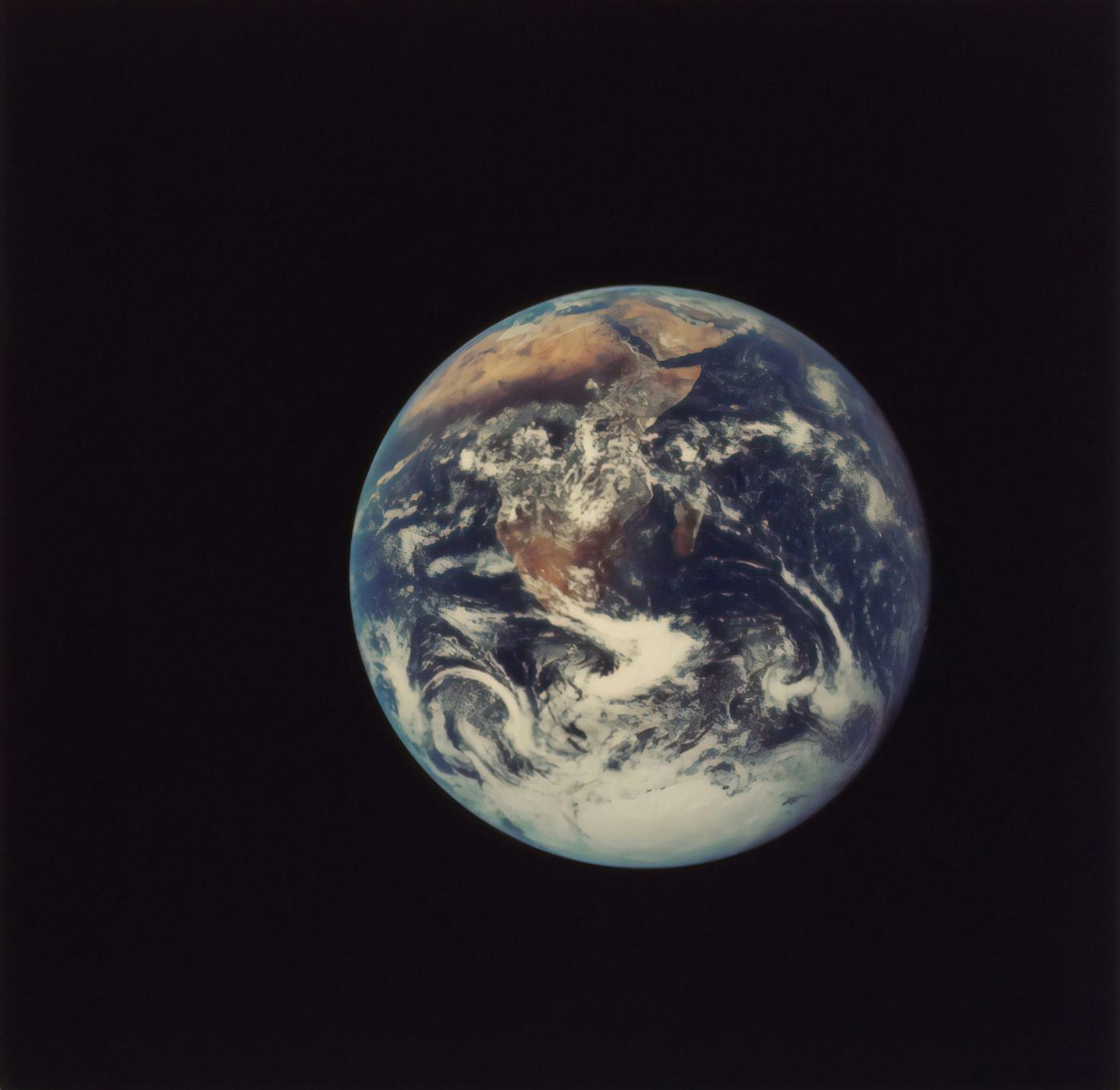
The biggest things on Earth don’t spend their lives trying to be seen. They simply are. Maybe that’s why standing next to them feels so humbling. For a few moments, all the things we normally use to measure success quietly disappear. Followers, market share, job titles, awards, and quarterly results don’t mean very much when you’re standing beside something that has been navigating the oceans for millions of years.
Perhaps that’s the lesson the whales left me with. Greatness doesn’t always announce itself. Sometimes it swims quietly beneath the surface, completely unconcerned about whether anyone is watching.
The View from the Stern
I’ve thought about that morning more times than I can count, and one detail keeps coming back to me.
I wasn’t standing at the stern because I was looking for a better view, I was there because the bow was crowded and I’d wandered off to watch a sea lion. There was no strategy, no insight, no grand plan. I simply ended up somewhere nobody else happened to be. It makes me wonder how often that happens in business.
Most of us spend our time looking where everyone else is looking. We read the same reports, chase the same trends, attend the same conferences, and convince ourselves that if everyone is moving in one direction, that’s probably where the opportunity lies. Sometimes that’s true. But sometimes the most memorable experiences, the biggest ideas, and the most unexpected discoveries happen because we looked somewhere else.
I’m not suggesting we ignore the crowd for the sake of being different. There’s nothing particularly clever about standing at the back of a boat while everyone else rushes to the front. In my case, it was little more than chance. But chance has a habit of rewarding curiosity. If I hadn’t wandered off to watch that sea lion, I wouldn’t have found myself standing within a few feet of three humpback whales. I’d have gone home with the same photographs as everyone else, but without the memory that has stayed with me ever since.
I never did take a photograph that morning. My phone stayed in my pocket, not because I was making a point, but because for a few brief moments I’d forgotten it existed. Looking back, I’m glad I did.
If I’d taken a picture, I’d probably have looked at it a few times before it disappeared into the thousands of photographs sitting on my phone. Instead, I remember the sound of a humpback taking a breath just a few feet away. I remember the spray catching my face. I remember the baby orca bouncing around its family like an overexcited child. I remember feeling tiny, and somehow completely safe. Those are the things that stayed with me.
Perhaps that’s because the moments that shape us aren’t always the ones we capture. They’re the ones we experience so completely that we don’t think to reach for a camera in the first place.
Standing at the wrong end of the boat turned out to be the right place to be. Not because it gave me a better view, but because it reminded me that significance isn’t always where the crowd is looking. Sometimes it’s quietly waiting somewhere else, completely unconcerned about whether anyone notices.
Looking back, it wasn’t really the whales that changed the course of that morning. It was the sea lion. If I hadn’t looked at the crowd on the bow and decided it was too busy, if I hadn’t wandered to the stern to watch something that had simply caught my eye, I’d have gone home with the same photographs as everyone else and missed the moment I’ll remember for the rest of my life.
Curiosity rarely announces where it’s going to lead. More often than not, it starts with something small, something that seems hardly worth noticing. A sea lion swimming past the back of a boat. A conversation. A question. An idea that doesn’t quite fit with what everyone else is thinking.
Most of us spend our lives following well-worn paths because they’re comfortable and they’re proven. Every now and then, though, curiosity nudges us in a different direction, and that’s where the interesting things tend to happen.
The Takeaway
Curiosity rarely points us toward the biggest opportunities. More often, it draws us toward something small, unexpected, or seemingly unimportant. A question. A conversation. A different point of view. Or even a sea lion swimming past the back of a boat.
The organizations that continue to innovate aren’t always the ones chasing what everyone else is chasing. More often, they’re the ones willing to follow their curiosity, explore beyond the obvious, and remain open to finding something remarkable where nobody thought to look.