
Influencer marketing still works, but it can’t make your brand worth keeping. That part has to be there when the box opens.
I have a friend who gets into these long jags of depression, and when this happens, she drinks wine and orders stuff online. She’ll spend days watching influencers and buying whatever they hawk. This goes on until she passes through the depression, comes out the other side, and starts feeling normal again. All is right with the world.
But not really.
Because once she’s on the other side, she realizes she has to deal with all the stuff she bought because some influencer convinced her she absolutely needed it. That’s usually when I go over to her place, and together we survey the damage. We joke about what she bought, wonder what the hell she was thinking, and start deciding what stays and what goes back. I can safely say that 99 percent of the time, what she bought is pure crap, and it has to go back.
That’s a lot of crap. It’s also a lot of influencer power.
When she’s feeling low, she becomes susceptible to the patter, the promise that this thing will somehow make something better. She keeps watching. She keeps clicking. She keeps buying.
Then eventually I show up, we open the boxes, look at whatever miracle has arrived this time, and ask the question that probably should have been asked before she clicked Buy Now: Is this thing actually any good?
She Knows Better
It would be easy to dismiss what happens to my friend as gullibility. She saw somebody on Instagram or TikTok holding up some miraculous thing, believed the pitch, clicked the link, and bought it. Case closed. Another sucker born every minute, and apparently this one has free shipping. Except she isn’t a sucker. She knows exactly what’s happening.
She understands the arrangement. The person talking to her may be getting paid, the link nearby may earn them a commission, and all that breathless enthusiasm may have as much to do with a contract as genuine affection for whatever they’re holding. None of this is hidden from her or particularly complicated. That’s what makes influencer marketing so interesting. Understanding the machinery doesn’t necessarily stop the machinery from working.
We tend to imagine that once people understand how marketing works, they become immune to it. They don’t. Knowing how something works and being unaffected by it are two very different things.
We’re also not equally skeptical all the time. We like to think we are, but we’re not. We get tired, lonely, vulnerable. Sometimes we just want someone to tell us that this particular face cream, pair of shoes, or ridiculous kitchen gadget will make tomorrow slightly better than today.
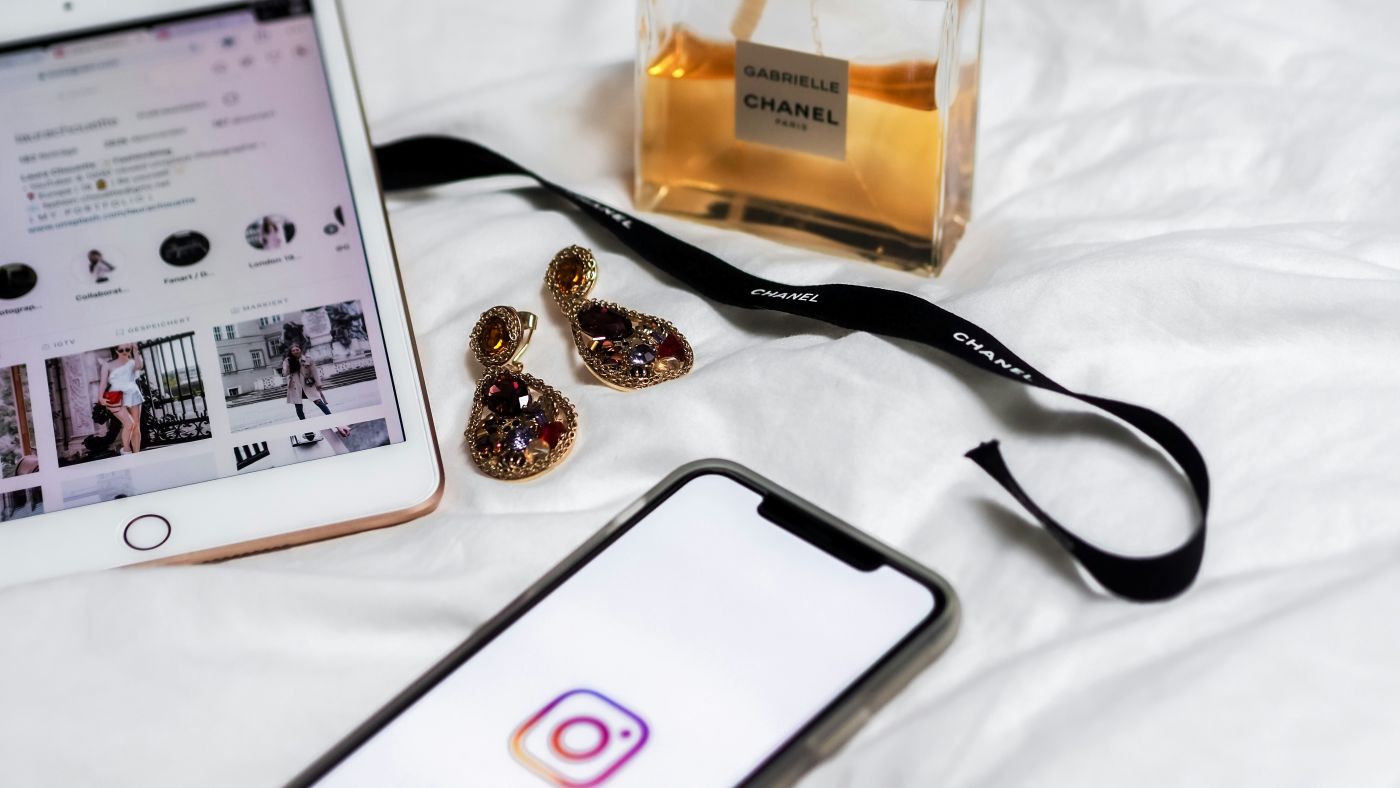
Influencers are particularly good at occupying that space because they don’t always feel like advertising. They talk to us from bedrooms, kitchens, and cars. We see pieces of their lives and hear about their problems, and over time familiarity starts doing some of the work that credibility used to do.
When my friend is in one of those periods, the promise becomes more powerful than the skepticism. She isn’t necessarily buying the thing in the box. She’s buying what the person on the screen has attached to it: possibility.
I don’t think that’s something to admire. A sale that depends on catching someone at their lowest isn’t a strategy worth building a brand on. But it does raise a question every brand should sit with. If someone else supplied the possibility, the excitement, and the reason to believe, what exactly did the brand supply?
Eventually the box arrives, and whatever the influencer put around the product has to survive contact with the product itself.
The Influence Is Still There
So, are influencers still influential? Yes. Very much so, actually. For all the talk about influencer fatigue, brands certainly haven’t packed up their money and gone home. A 2026 study from Northwestern University’s Retail Analytics Council and LTK, which surveyed brands already using creator marketing, found that 80 percent were increasing their creator budgets, while 91 percent ran creator programs with an always-on component rather than only the occasional campaign.
Consumers are still buying too. Deloitte found that roughly 60 percent of U.S. consumers who engage with creators had made a purchase primarily because of a creator recommendation or sponsorship within the previous six months. Among Gen Z and millennials, that number climbed to nearly 75 percent.
So whatever else we might say about influencers, dead isn’t one of the words we should use. They can move products, introduce people to brands, and get someone to click a button. My friend has a living room full of evidence.
But something is changing. Gartner surveyed 1,006 U.S. consumers in 2026 and found that 35 percent said they were relying less on influencers for shopping information and recommendations as AI-generated content made them more skeptical about what they encountered online. The problem isn’t necessarily that people have stopped listening. It’s that they’re becoming more careful about deciding whom to believe.
That distinction matters because attention and trust aren’t the same thing. An influencer can put your product in front of hundreds of thousands of people, and some of those people may buy it. That’s valuable. But the influencer may also be supplying the personality, credibility, excitement, and reason for the purchase. If you remove that person from the equation, you’re left with a much less comfortable question.
What does the brand have?
That’s the question sitting underneath all those boxes at my friend’s apartment. The influencer did the job. The product arrived. Money changed hands. Somewhere there’s probably a beautiful little conversion statistic proving the whole thing worked. Then my friend comes out the other side, looks at what she bought, and sends it back.
Getting something through the front door and giving someone a reason to keep it are two entirely different achievements.
Borrowed Influence
There’s nothing inherently wrong with using an influencer. If someone has built an audience that makes sense for your brand, and they genuinely like what you do, that relationship can be enormously useful. They can introduce you to people who might never have found you otherwise. The problem begins when the influencer becomes the reason the product is interesting in the first place.
That’s borrowed influence. You’re borrowing someone else’s audience, credibility, and relationship with the people who follow them. For a while, some of that attention rubs off on you. But borrowed things eventually have to be returned, and when the influencer moves on to the next product, you’re left with whatever was there before they arrived.
This is where brands can confuse attention with strength. A campaign gets millions of views, sales jump, and everybody celebrates. Those things matter, but they don’t necessarily tell you whether anyone formed a relationship with the brand. Maybe people wanted what you made. Maybe they wanted what the influencer made it represent. Those are very different things.
At ThoughtLab, we spend a lot of time helping companies figure out what makes them worth choosing before we worry about how loudly they should tell people about it. That’s part of what we mean when we talk about creating a Category of One. The goal isn’t simply to be seen more often than everyone else. It’s to become difficult to compare with everyone else.
An influencer can amplify that. They can point people toward something distinctive and give it reach. What they can’t do is create the distinction for you. If your product is interchangeable with a dozen others until someone famous picks it up, you don’t have an influencer problem. You have a brand problem.
Eventually the campaign ends, the post disappears down the feed, and the influencer starts talking about somebody else. What remains is the brand. If there was something meaningful there before the influencer arrived, the attention may have helped more people discover it. If there wasn’t, all you did was rent somebody else’s relevance for a while.

A Reason to Be Believed
Maybe the future of influence isn’t about finding people with smaller audiences. Maybe it’s about finding people who have a reason to be believed.
For years, follower count was the easy shorthand. A million followers meant influence. Ten million meant more influence. It gave brands a nice clean number to put on a slide and made the decision seem almost mathematical. Find the audience, pay for access, put the product in front of them, and wait for something wonderful to happen.
Except an audience isn’t the same thing as authority. I can have millions of people interested in what I wear and know absolutely nothing about running shoes. I can make terrific cooking videos and have no particular reason to tell anyone which bank they should use. The fact that people care what I have to say about one thing doesn’t automatically make me credible about everything else.
That’s where influencer marketing can start to feel ridiculous. Someone builds an audience because they’re funny, attractive, knowledgeable, strange, entertaining, or simply very good at getting people to watch them. Then brands begin attaching products to that attention, whether those products have any meaningful connection to the person holding them or not. Eventually the audience can see the machinery.
The more interesting kind of influence comes from connection. A chef talking about a knife they actually use means something different from a celebrity holding one for thirty seconds. An employee who has spent ten years making a product has a different kind of authority than someone who received it in the mail Tuesday. A customer who has relied on something for years can say things no scriptwriter sitting in a conference room could manufacture.
None of those people needs to be famous. They need to have a reason for us to listen.
That doesn’t make traditional influencers useless. It makes the choice of influencer more important. The question shouldn’t simply be how many people someone can put your brand in front of. It should be why those people would believe them when they talk about it.
Because the goal was never supposed to be finding someone influential enough to make your brand interesting. The goal should be building something interesting enough that the right people have a genuine reason to talk about it.
When the Box Opens
Eventually, the influencer leaves. The video ends, the post gets buried, and tomorrow there will be something else to talk about. Maybe another brand, another product, another thing everyone absolutely needs to have. That’s the nature of the arrangement. The influencer keeps moving, but the brand doesn’t get to go with them.
That’s when the real test begins. The customer is standing there with whatever you made, and nobody is explaining why it matters anymore. There’s no flattering lighting or carefully edited video. There’s just the thing itself and the experience of owning it.
This is why the question of whether influencers still matter is probably the wrong question. Clearly they do. They can create attention and drive sales. What they can’t guarantee is what happens afterward. They can get someone through the door, but they can’t make the experience on the other side worth having.
That part belongs to the brand.
Which brings me back to my friend’s apartment. By the time I arrive, the influence has already done its job. The packages are there. The sale happened. Whatever promise got attached to those products was powerful enough to move her from watching to buying.
Then we open the boxes.
That’s when the influencer disappears from the equation, and the product finally has to make its own case. Most of the time, it doesn’t. Back into the box it goes, the return label gets slapped on, and another miracle heads back whence it came.
Sometimes the product is simply bad, and no brand fixes that. But plenty of perfectly good products go back in the box too, because once the influencer was gone, there was nothing to tell them apart from a dozen others.
That moment is the one we think about most at ThoughtLab. A brand has to know why it deserves to exist in someone’s world. Not simply what it sells or how it looks, but what makes it different enough, useful enough, or meaningful enough to be chosen when nobody else is doing the convincing. Someone else can convince people to give your brand a chance. What happens when the box opens is up to you.
The Takeaway
Influencers aren’t going anywhere, and pretending they don’t work would be foolish. But influence should be an amplifier, not a substitute.
Use influencers when they make sense. Find people who have a genuine connection to what you do and give them something worth talking about. Let them introduce you, amplify you, and put you in front of people who should know you exist.
Just don’t ask them to be the reason you matter.
That’s the promise behind a Category of One. At ThoughtLab, we don’t want to make a brand interesting only while someone interesting is talking about it. We want to find what makes it impossible to mistake for anyone else, build from there, and give people a reason to choose it that belongs to the brand itself.
Because eventually the influencer stops talking, the package gets opened, and your brand is standing there all by itself.
It had better have something to say.